Skip to content

Kyoto — Neighborhood Guide

Best Kyoto City Center Hotels 2026

The Kawaramachi-Shijo intersection is Kyoto's beating heart — where the main shopping street meets the river, Nishiki Market winds through the block, and the ancient lanes of Gion begin just across the bridge. Staying here means you can walk to temples in the morning, browse a 400-year-old covered market at noon, and catch a maiko sighting on Hanamikoji in the evening.

kyoto city center hotels hotels near kawaramachi kyoto shijo kyoto hotel hotel near nishiki market kyoto
Best Kyoto City Center Hotels 2026

Quick Answer

The Best Kyoto City Center Hotels 2026 at a Glance

The Kawaramachi-Shijo intersection is Kyoto's beating heart — where the main shopping street meets the river, Nishiki Market winds through the block, and the ancient lanes of Gion begin just across the bridge. Staying here means you can walk to temples in the morning, browse a 400-year-old covered market at noon, and catch a maiko sighting on Hanamikoji in the evening.

  1. 1
    Good Nature Hotel Kyoto Kawaramachi-Shijo · $$$ · ★ 9.0
  2. 2
    BnA Alter Museum Kawaramachi · $$ · ★ 8.8
  3. 3
    Solaria Nishitetsu Hotel Kyoto Premier Sanjo Kamogawa Sanjo Kamogawa · $$ · ★ 9.1
  4. 4
    Mitsui Garden Hotel Kyoto Kawaramachi Jokyoji Kawaramachi-Teramachi · $$ · ★ 9.0
  5. 5
    Mitsui Garden Hotel Kyoto Shijo Shijo-Karasuma · $$ · ★ 8.6

7 hotels reviewed · Price range: $$$, $$ · Last updated March 2026

About This Guide

## Why Kawaramachi-Shijo Is Kyoto's Best Base

Kyoto can feel deceptively large on a map, but the Kawaramachi-Shijo area acts as the city's geographic and transit fulcrum. From here, you're within a 20-minute bus or taxi ride of virtually every major temple and shrine in the city. More importantly, you're in the middle of Kyoto's best street-level experience: Nishiki Market, the narrow covered arcade known as 'Kyoto's Kitchen,' runs parallel just one block north, offering 100+ stalls of tofu, pickles, street food skewers, and freshly made matcha products. Gion — the preserved geisha district — begins literally across the Kamo River.

## Transit and Walkability

The Hankyu Kyoto Kawaramachi Station and Keihan Gion-Shijo Station both sit within a five-minute walk of most hotels in this area, connecting you to Osaka (40 minutes) and Fushimi Inari (10 minutes by Keihan) without the awkward Kyoto Station detour. The Karasuma Subway line at Shijo Station extends north toward Nijo Castle and south to Kyoto Station. This interconnected transit hub means you can stay in the city center and reach every major sight without a taxi.

## The Neighborhood Itself

The streets around Kawaramachi are where Kyoto feels most alive in the present tense — not a preserved-in-amber museum piece, but a working city with department stores, izakayas, traditional craft shops, and modern cafés coexisting on the same block. Teramachi shopping arcade runs north-south and transitions from tourist goods in the south to genuine antique and Buddhist item shops as you walk north. Pontocho Alley, a lane of atmospheric restaurants built on stilts over the Kamo River, is a five-minute walk and one of Kyoto's most distinctive dining experiences.

## Seasonal Considerations

Spring cherry blossom season (late March to mid-April) and autumn foliage season (mid-November) are peak times when accommodation prices can double. Book four to six months ahead for these windows. The summer Gion Matsuri festival (July) transforms the Kawaramachi area into an open-air street party — the neighborhood becomes extraordinary but extremely crowded. Winter is the most affordable and atmospheric season for city center stays, with far fewer tourists and the possibility of light snow on temple rooftops.

Insider Tips

  • 1

    The Kawaramachi-Shijo area is extremely walkable, but for temple visits outside this district, use the Kyoto City Bus IC card (Suica works) — bus routes cover nearly every major sight.

  • 2

    Nishiki Market is best visited before 10am on weekdays to avoid the densest tourist crowds; most stalls are open by 9am and the quality of the produce vendors' attention improves when it's quieter.

  • 3

    Pontocho Alley is atmospheric at any time, but for the best chance of seeing maiko heading to engagements, walk through between 5:30–7:00pm in the direction away from Sanjo.

  • 4

    If you're visiting during cherry blossom season (late March–April), book accommodation 4–6 months ahead — city center hotels sell out first and prices double from off-season rates.

  • 5

    Kyoto's best private onsen ryokans (Kinmata, Shiraume) are also located in this area but require advance reservation for non-guests for kaiseki dinners — book before your trip.

  • 6

    For Kyoto day trips, the Hankyu Line from Kawaramachi Station reaches Osaka Umeda in 45 minutes — viable for a day of Osaka food exploration with a return to your Kyoto base.

Our Picks

Best Kyoto City Center Hotels 2026

7 hotels · Updated February 2026

Good Nature Hotel Kyoto — Kawaramachi-Shijo
$$$ Upscale
★ 9.0

Kawaramachi-Shijo

Good Nature Hotel Kyoto

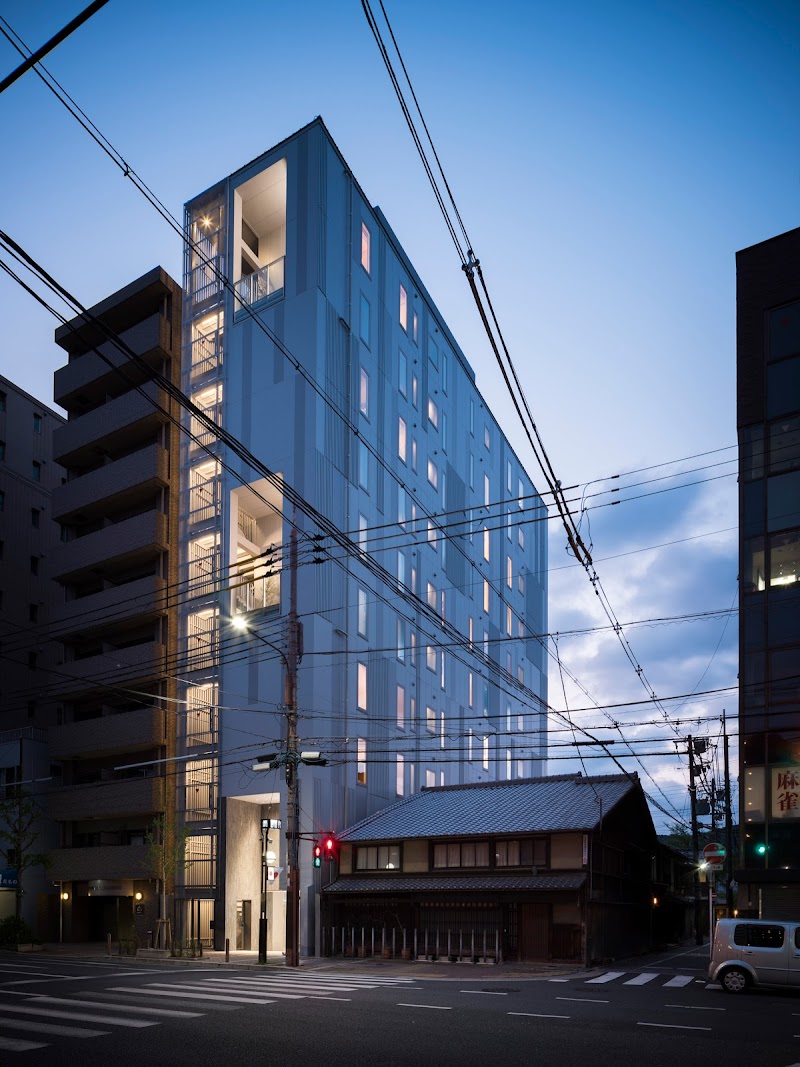
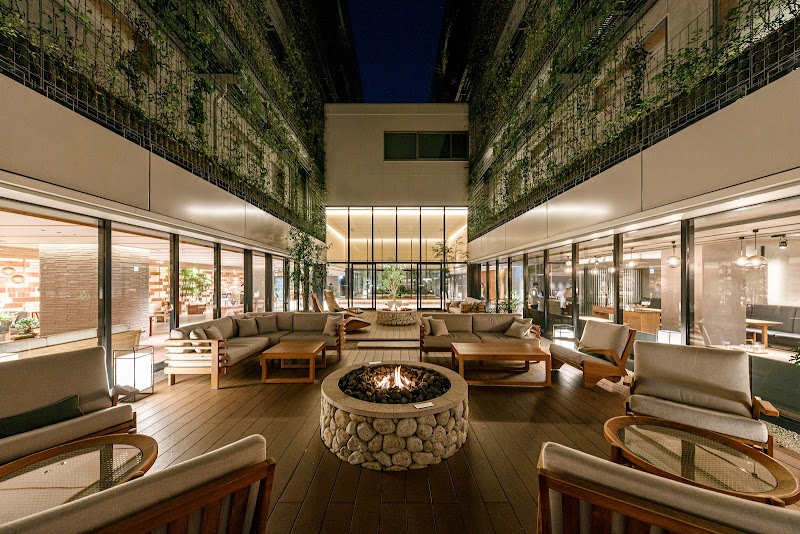
Good Nature Hotel Kyoto opened in 2019 as something genuinely unusual in Japanese hospitality: a sustainability-driven wellness property with a serious culinary program, planted in the most accessible corner of Kyoto's city center. The hotel occupies the upper floors of a mixed-use building that also contains restaurants, organic food shops, and wellness services — you can eat at a Michelin two-star restaurant (Nakamura) without leaving the building, or browse a natural foods market on the ground floor before breakfast. The hotel itself earned WELL Certification Gold Rank — the first hotel in the world to do so — which translates to rooms built with natural wood flooring, organic cotton towels, and biophilic design principles that reduce the oppressive corporate-hotel atmosphere common to larger Kyoto properties. Japan's largest green wall in the lobby sets the tone immediately: this is a hotel that takes its environmental positioning seriously rather than as marketing. Rooms are spacious by Kyoto standards, with some featuring terraces overlooking either the courtyard or the street. Doubles and Superior rooms are well-sized; the terrace rooms on upper floors justify their premium with outdoor sitting areas rarely found at this price point. The 10 restaurants and cafes within the building include teppanyaki, ramen, vegan, and halal options — a remarkably diverse food ecosystem for guests who want variety without venturing out every meal. Transit access is exceptional: Hankyu Kyoto Kawaramachi Station is a two-minute walk.

  • food lovers
  • wellness travelers
  • couples
  • sustainability
Check Availability
BnA Alter Museum — Kawaramachi
$$ Mid-range
★ 8.8

Kawaramachi

BnA Alter Museum

BnA Alter Museum is Kyoto's most genuinely interesting hotel for travelers who want something that isn't a ryokan or a business chain. The concept is an artist-hotel hybrid: every room is designed by a different Japanese contemporary artist, which means each stay is a site-specific art installation you sleep inside. Room 601 (designed by Koutaro Ooyama) is a riot of color and integrated lighting programming; other rooms channel minimalism, traditional Kyoto aesthetics, or surrealism. The rooms are gallery-standard in their execution, and most guests report spending time actively looking at the work around them rather than ignoring it. This is exactly what the hotel intends. The physical location is superb: 300 meters from Nishiki Market, 500 meters from Pontocho Alley, and within easy walking range of Gion. The hotel's rooftop bar and cafe offers third-wave coffee and cocktails above the Shijo roofline, and the ground-floor reception area doubles as an events space with regular live music and DJ nights. Practical matters: rooms feel small if you're expecting conventional hotel proportions, as the art installations occasionally compete with furniture placement. WiFi reliability has been flagged in some reviews — bring a data SIM if you need constant connectivity. But for travelers who prioritize experience over conformity, BnA is the most memorable sleep in Kyoto's city center. Staff are young, multilingual, and genuinely passionate about the art program.

  • art lovers
  • young travelers
  • unique experience
  • design enthusiasts
Check Availability
Solaria Nishitetsu Hotel Kyoto Premier Sanjo Kamogawa — Sanjo Kamogawa
$$ Mid-range
★ 9.1

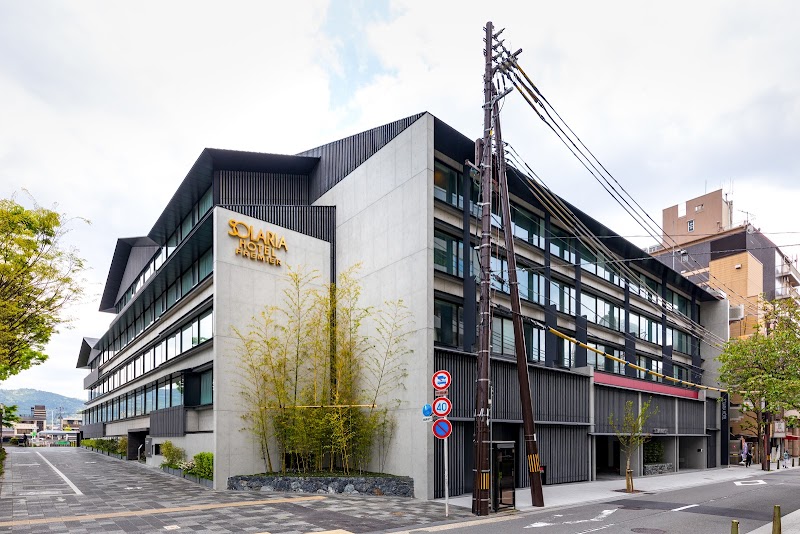
The Solaria Nishitetsu Hotel Kyoto Premier occupies one of the best hotel positions in Kyoto: directly on the Kamogawa River, with rooms offering views of the water and the mountains that frame the city's eastern horizon. This is where Kyoto's famous 'bed of the river' (kawadoko) dining tradition is most visible — from higher Kamogawa-view rooms, you'll watch restaurants extend wooden platforms over the water on summer evenings, a distinctly Kyoto experience unique to this riverfront stretch. The hotel is relatively modern and impeccably clean in the Japanese fashion — rooms are well-proportioned, with the twin rooms being genuinely spacious by Kyoto standards. The Japanese-style bathhouse (not onsen water, but well-designed communal bath facilities) is a practical amenity for weary sightseers. Breakfast earns consistent high marks: the buffet covers Japanese obanzai (Kyoto home cooking) and Western options including an egg station, with quality well above typical business hotel fare. The Sanjo location places you slightly north of the main Shijo shopping corridor — about a seven-minute walk — but closer to Sanjo-dori's traditional craft shops, Pontocho's northern entrance, and the easy transit connections of Sanjo Keihan Station. River-view rooms cost roughly 15–25% more than courtyard rooms and are worth requesting on arrival.

  • river views
  • couples
  • families
  • kawadoko dining
Check Availability
Mitsui Garden Hotel Kyoto Kawaramachi Jokyoji — Kawaramachi-Teramachi
$$ Mid-range
★ 9.0

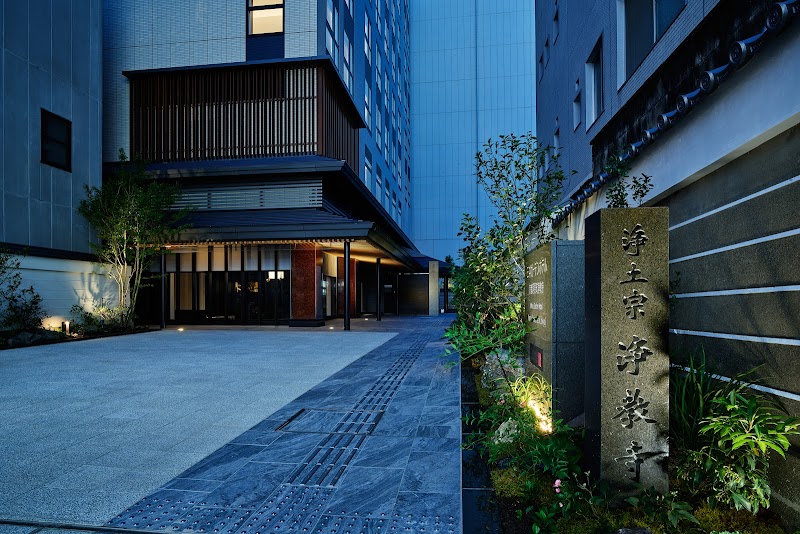
The Mitsui Garden Hotel Kyoto Kawaramachi Jokyoji earns its position in this guide through consistent, honest mid-range execution that most travelers who've experienced it describe as their go-to Kyoto base. The hotel sits on a quiet narrow street just one minute from Teramachi Shopping Arcade's entrance — meaning you can step outside into Kyoto's most interesting pedestrian corridor within 60 seconds of leaving your room. The building incorporates a Buddhist temple that shares the hotel's entrance, which gives the lobby a contemplative quality unusual for a business-class property; incense burns in the entryway, and the temple's courtyard is visible from the corridor. Rooms are modestly sized — this is standard Kyoto; don't expect American hotel proportions — but spotlessly maintained and smartly designed with Japanese aesthetic elements that don't feel contrived. The hotel offers a traditional public bath with seasonal decorations. Breakfast is a properly assembled Japanese-Western buffet; the Japanese options including pickles, rice, and miso soup are particularly good. Staff English is solid, and the concierge team maintains a list of restaurant recommendations that goes beyond the obvious tourist circuit. For travelers who want reliable quality and genuine neighborhood access without paying boutique hotel premiums, this is the most rational choice in Kawaramachi.

  • repeat visitors
  • value seekers
  • families
  • solo travelers
Check Availability
Mitsui Garden Hotel Kyoto Shijo — Shijo-Karasuma
$$ Mid-range
★ 8.6

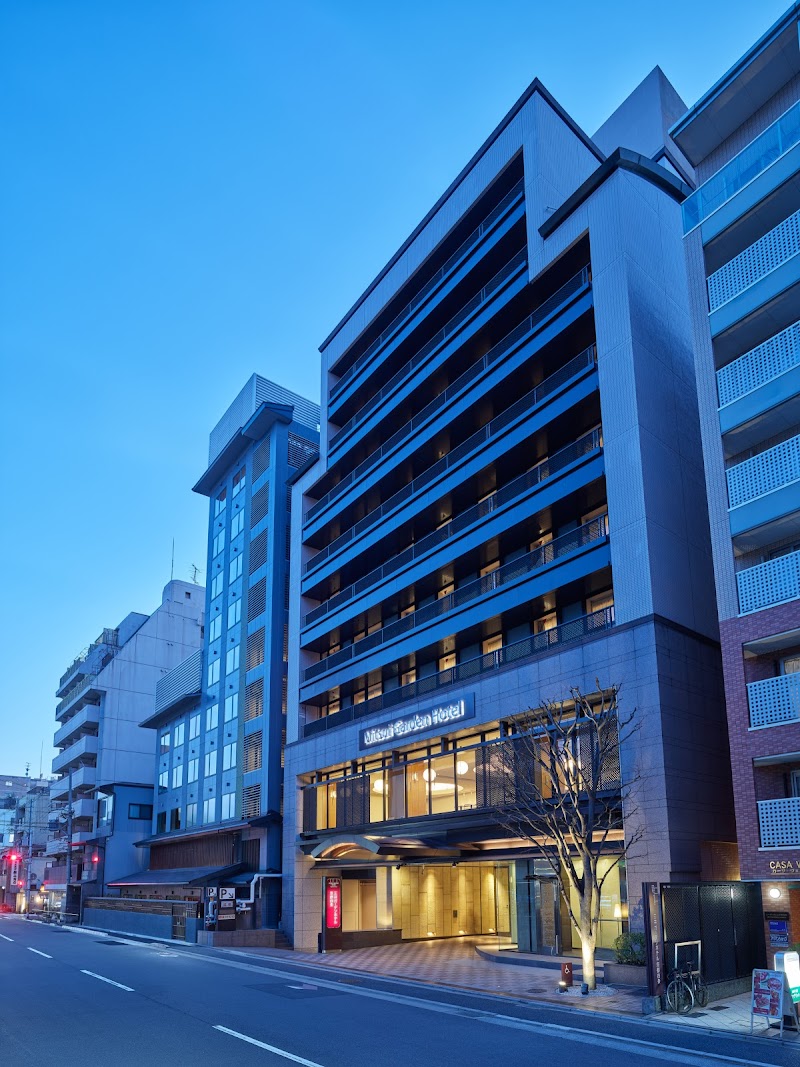
The older sibling of the Kawaramachi Jokyoji property, Mitsui Garden Shijo takes the same reliable mid-market formula and applies it to the western side of the Kawaramachi district, a six-minute walk from Shijo Subway Station. The hotel's design concept draws from the Gion Festival — Kyoto's most important annual event, which centers on this exact neighborhood — with rooms incorporating kimono-inspired textile patterns and traditional motifs throughout. The public bath on the ground floor is designed to evoke a festival night, with checkered patterns and illuminated trees that create an atmosphere well beyond the typical hotel onsen. Breakfast is a Japanese-Western buffet with an obanzai (Kyoto home cooking) station that serves seasonal pickles, vegetables, and dashi egg rolls — exactly the kind of breakfast you'd want on a Kyoto trip. The 347 rooms give it a larger footprint than the Jokyoji property, which means more availability during peak seasons when Kawaramachi books out first. The trade-off is a slightly more corporate feel in the common areas. Location-wise, you're closer to the Nishiki Market's western entrance and to the Karasuma shopping district, which is Kyoto's version of a department store corridor. For groups or families who struggled to find availability at smaller city center hotels, Mitsui Shijo is the reliable fallback.

  • Gion Festival season
  • families
  • large groups
  • public bath
Check Availability
Cross Hotel Kyoto — Karasuma-Oike
$$ Mid-range
★ 8.7

Karasuma-Oike

Cross Hotel Kyoto

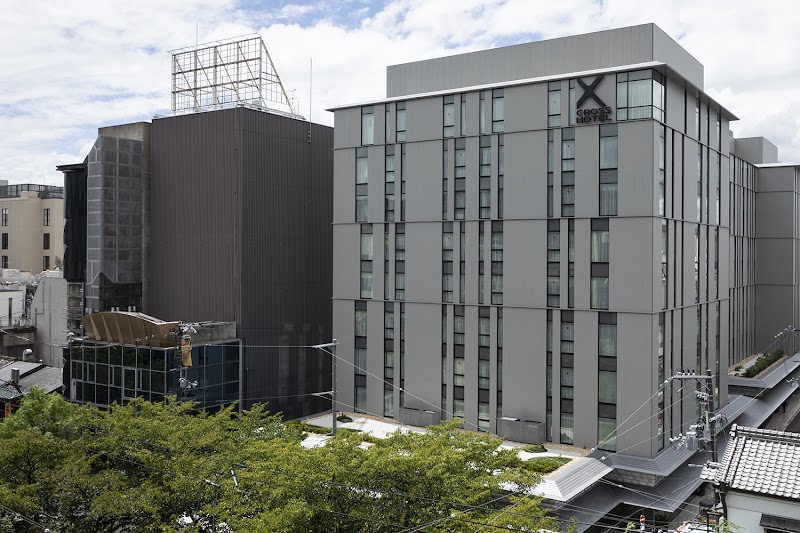
Cross Hotel Kyoto sits in a slightly quieter position than the main Shijo cluster — on the Karasuma-Oike axis, which puts it closer to Nijo Castle and the Kyoto Cultural Museum than to Nishiki Market. For travelers who've done the Gion-centric tourist circuit before and want to explore northern Kyoto's more neighborhood-oriented restaurants and cafés, the Cross Hotel's position makes more geographic sense. The hotel itself is fresh and modern — not design-forward in the way that BnA Alter Museum or Good Nature Hotel is, but reliably clean and well-maintained with functional rooms that give you what you need without fuss. Rooms are genuinely comfortable with modern Japanese hotel essentials: blackout curtains, quality bedding, a desk and reading lamp setup that works for longer stays. The ground-floor restaurant and lounge area serves as a decent base for planning the day over coffee, and the Teppanyaki grill bar across the street — serving excellent aged Kobe beef — is a local recommendation worth following for a splurge dinner. Karasuma-Oike Station is right outside, giving you direct subway access to Kyoto Station (3 stops south) and the Kinkaku-ji-adjacent northern sights. The neighborhood immediately around the hotel has an excellent izakaya and ramen scene that the Shijo cluster lacks — this is where Kyoto office workers eat after work, which is usually a reliable quality signal. For couples or solo travelers who've already done the standard Kyoto temple circuit on a previous trip and want a city center location that favors local daily life over tourist convenience, Cross Hotel delivers a quietly excellent stay at reasonable rates.

  • repeat Kyoto visitors
  • Nijo Castle proximity
  • local-style exploration
Check Availability
Hotel Okura Kyoto — Kawaramachi-Oike
$$$ Upscale
★ 8.9

Kawaramachi-Oike

Hotel Okura Kyoto

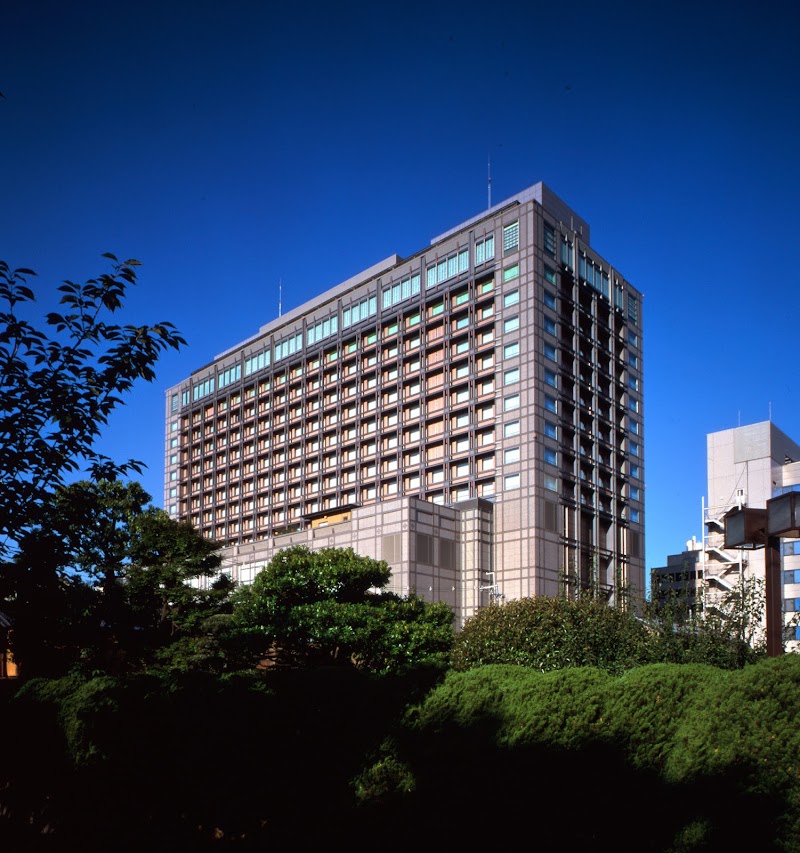
Hotel Okura Kyoto occupies the premium end of the Kawaramachi city center spectrum — a classic upscale property that has served as Kyoto's business and diplomatic accommodation standard for decades. The building is positioned at the Kawaramachi-Oike intersection, slightly north of the main Shijo action but arguably more elegant in its surroundings. The hotel commands excellent views of Higashiyama's mountain backdrop from upper floor rooms, and the Top Lounge Orizzonte (a rooftop restaurant and lounge) is one of Kyoto's best spots for city panoramas over an aperitif. Seven restaurants — including Chinese cuisine, kaiseki, iron plate cooking, and a café — give the hotel a self-contained dining ecosystem that guests with less energy for navigating the city at night will appreciate. Rooms feel spacious by Kyoto standards and have received recent renovation investment, though the overall aesthetic still skews toward formal Japanese business hotel rather than design-forward contemporary. The location on Kawaramachi at Oike puts you equidistant between the Shijo dining cluster and Nijo Castle, and both Kyoto Shiyakusho-mae subway station (500 meters) and several bus lines are immediately accessible. For business travelers and those who prefer the assurance of a full-service property with multiple in-house dining options, the Okura remains the most competent upscale option in this part of the city.

  • business travelers
  • multi-restaurant dining
  • upscale travelers
  • group travel
Check Availability

Common Questions

Frequently Asked Questions

Is Kawaramachi-Shijo really the best area to stay in Kyoto?

For first-time visitors and most travelers, yes — it's the area that maximizes both walkability and transit access simultaneously. You can walk to Gion, Pontocho, and Nishiki Market in under 10 minutes. You're close to both major train lines (Hankyu and Keihan) and the Karasuma subway. The trade-off vs staying near Gion's historic streets is that Kawaramachi feels more modern and commercial — it's a city center, not a preserved quarter. If you want ancient atmosphere at the doorstep, consider Higashiyama. If you want practical base-camp centrality, Kawaramachi wins.

Can I see geisha (maiko) from a hotel in this area?

Yes — this is one of the best areas in Kyoto for genuine maiko sightings. Gion's Hanamikoji Street is a 10–15 minute walk east across the Shijo Bridge. Maiko (apprentice geisha) are most often spotted in the early evening (5–7pm) as they travel between engagements. The key is to observe from a respectful distance — the city has implemented rules against chasing or photographing maiko without consent, and hotels in the area can advise on proper etiquette. The Pontocho area near your hotel is also an active geisha district and sees regular maiko activity.

How far are Kyoto's famous temples from city center hotels?

Most major temples are reachable by a combination of walking and public transport: Kinkaku-ji (Golden Pavilion) is a 25-minute bus ride northwest; Fushimi Inari (10,000 torii gates) is a 15-minute Keihan train ride south; Kiyomizudera is a 20-minute bus or 35-minute walk east through Gion; Arashiyama and its bamboo grove is a 40-minute bus journey west. The city center position means you have easy access to all directions. For the closest temple experience on foot, Kennin-ji is a 15-minute walk through Gion.

What is Nishiki Market and is it worth visiting?

Nishiki Market is a 400-year-old covered shopping arcade often called 'Kyoto's Kitchen' — a narrow lane about 400 meters long with over 100 stalls selling pickled vegetables, fresh tofu, octopus skewers, matcha desserts, grilled fish, and traditional Kyoto ingredients. It's one of the most atmospheric food experiences in Japan. Most stalls are open 9am–6pm, with some closing on Wednesday or Thursday. It's best experienced in the morning before afternoon crowds arrive. It runs directly parallel to Shijo-dori, making it an effortless addition to any day starting or ending in the city center.

What's the difference between hotels near Shijo Station vs Kawaramachi Station?

Shijo Station (Karasuma Subway + Hankyu Line) is on the western side of the Kawaramachi district, making it better for Nijo Castle, Kyoto Station connections, and northern Kyoto sights. Kawaramachi Station (Hankyu only) is at the eastern end of Shijo-dori, closer to Gion and the Kamo River. Hotels near Kawaramachi Station typically offer a more atmospheric location with easier walking access to Gion and Higashiyama, while Shijo/Karasuma area hotels offer better subway convenience. For most travelers, the difference is negligible — both areas are walkable to each other in under 10 minutes.

When is the cheapest time to book a Kyoto city center hotel?

Late January through February and mid-June through July (except Gion Matsuri week) represent the lowest-demand periods, when rates can drop 30–50% from peak season prices. The November foliage season and March–April cherry blossom weeks command the highest premiums. If you're flexible, an early December visit offers beautiful winter light and far fewer tourists than autumn, with hotels priced reasonably and the city's temples decorated for Randen light-up events. Golden Week (late April to early May) is a Japanese national holiday period when domestic tourism peaks — avoid this window if you want both good prices and manageable crowds.

Ready to book Kyoto?

Prices and availability change daily. Lock in the best rate by booking early — most of our top picks offer free cancellation.

View All Kyoto Hotels