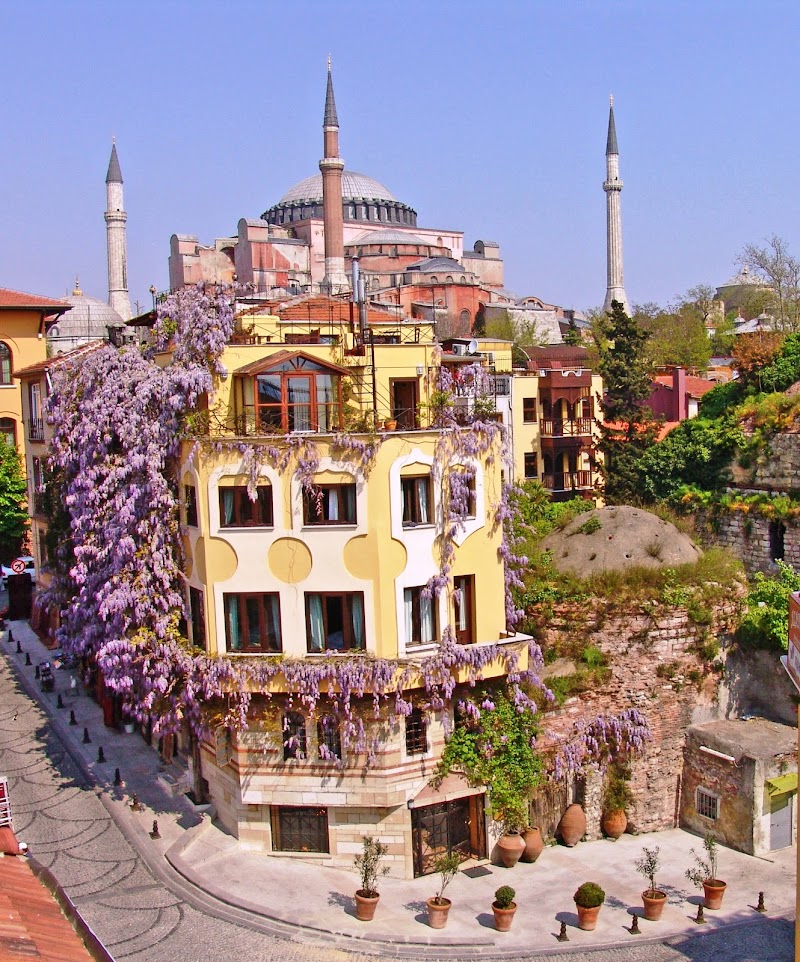
Sultanahmet occupies the tip of Istanbul's historic peninsula, on the site of ancient Byzantium and Constantinople. The neighbourhood contains the highest concentration of UNESCO World Heritage monuments of any comparably sized urban area in the world: Hagia Sophia (532 AD), the Blue Mosque (1616), the Topkapi Palace complex, the Basilica Cistern, the Hippodrome, and the Grand Bazaar are all within a fifteen-minute walk. Staying here is an immersion in 1,500 years of continuous history.
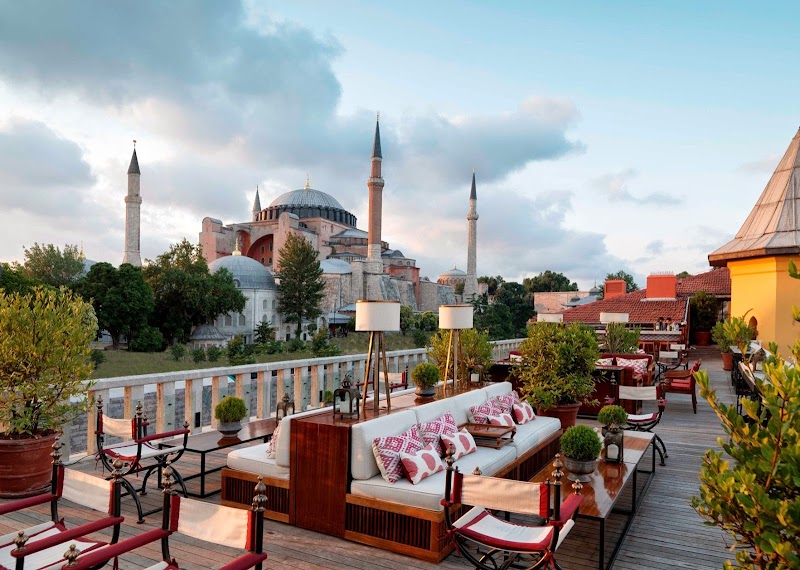
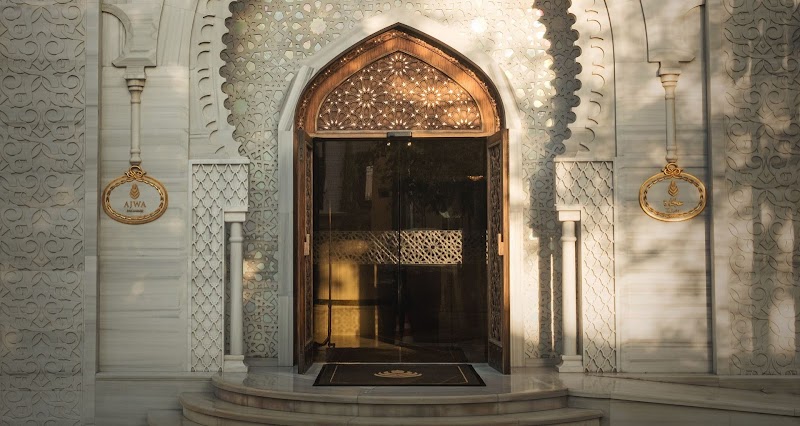
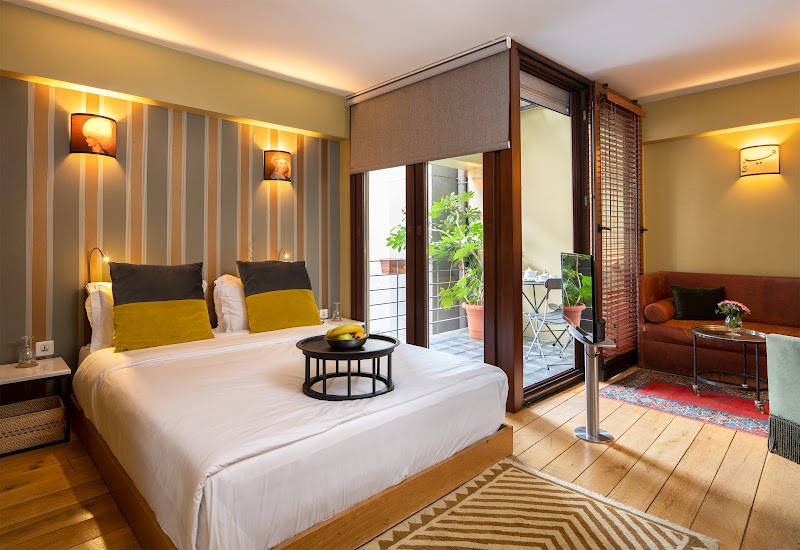
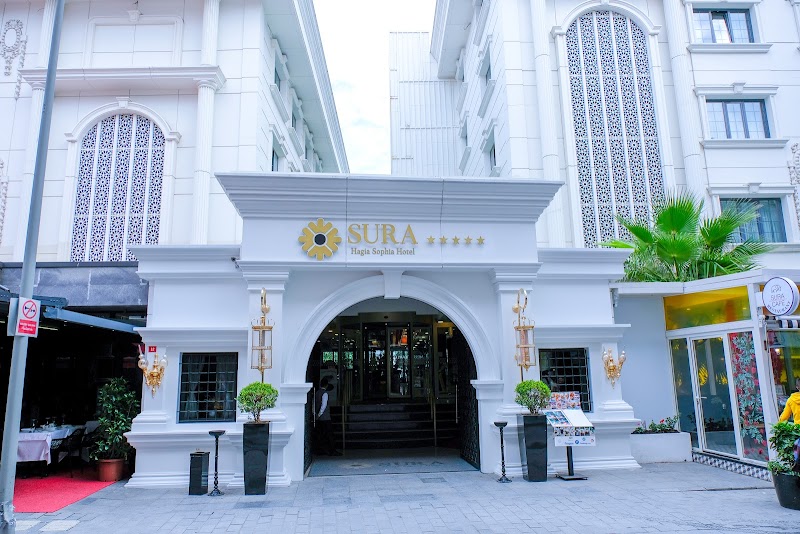
The hotel landscape in Sultanahmet reflects the neighbourhood's unique position. Most properties are boutique in scale — converted Ottoman townhouses, historic meyhane buildings, and purpose-built hotels that fit the architectural grain of the neighbourhood rather than announcing themselves. The Four Seasons Sultanahmet, in a converted Ottoman prison, is the neighbourhood's most celebrated address. The Ajwa Hotel operates in a restored mansion with some of the finest Bosphorus views available from any Istanbul hotel.
The neighbourhood has a reputation for being tourist-heavy, which is fair — during peak season (May–September), Sultanahmet can feel crowded with tour groups following guides with coloured umbrellas. The solution is accommodation in the quieter streets south of the Hippodrome or near the Küçük Ayasofya Mosque, which are residential enough to provide a genuine Istanbul experience while maintaining proximity to the monuments.
For dining, Sultanahmet has improved significantly. The traditional tourist-trap kebab houses that dominated a decade ago have been joined by genuinely excellent meyhane restaurants serving proper Turkish mezze, fish restaurants on the Marmara coast, and breakfast spots with rooftop terrace views of the Blue Mosque that rank among the world's finest breakfast settings.
Practical notes: Sultanahmet is on the Tram T1 line, making it directly connected to the Grand Bazaar, Beyoğlu, and the Karaköy waterfront. The neighbourhood is walkable but hilly — some hotels are at the top of the hill near the Topkapi, others at sea level near the Marmara — and the difference in walking effort is significant in summer heat.