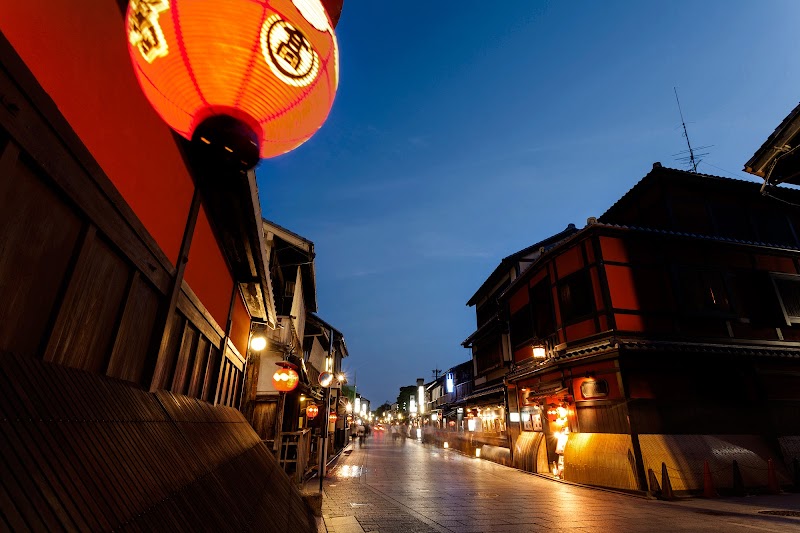
Gion occupies the eastern bank of the Kamo River, a neighbourhood of narrow lanes and traditional machiya (merchant townhouses) that has operated as Kyoto's entertainment and geisha district since the 17th century. The Hanamikoji dori — running south from Shijo Street — is the district's photographic spine: traditional restaurants (ochaya), preserved facades, and the occasional geiko or maiko (fully apprenticed and apprentice geisha) moving between appointments.
The ochaya (teahouse) culture that defines Gion is closed to casual visitors — these private dining establishments operate on introduction only, serving kaiseki cuisine to established clients at extraordinary expense. What visitors can access is the surrounding neighbourhood: excellent independent restaurants, craft shops, and the visual spectacle of one of Asia's finest preserved traditional districts.
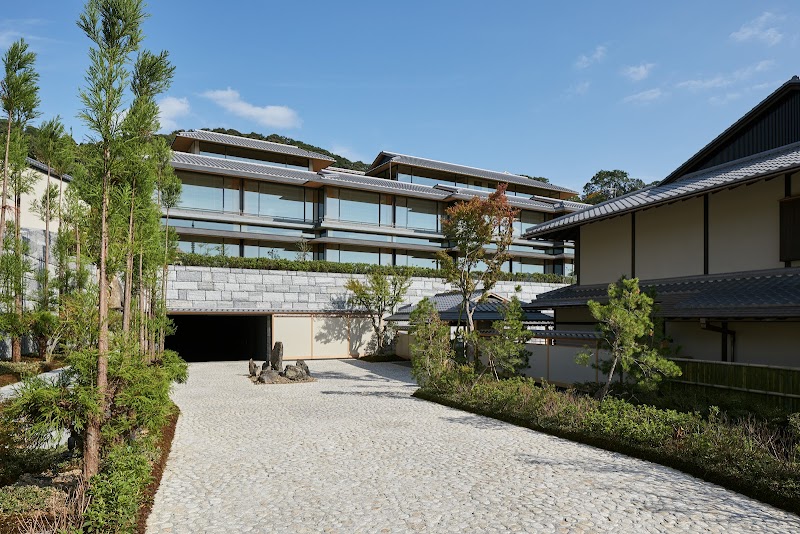
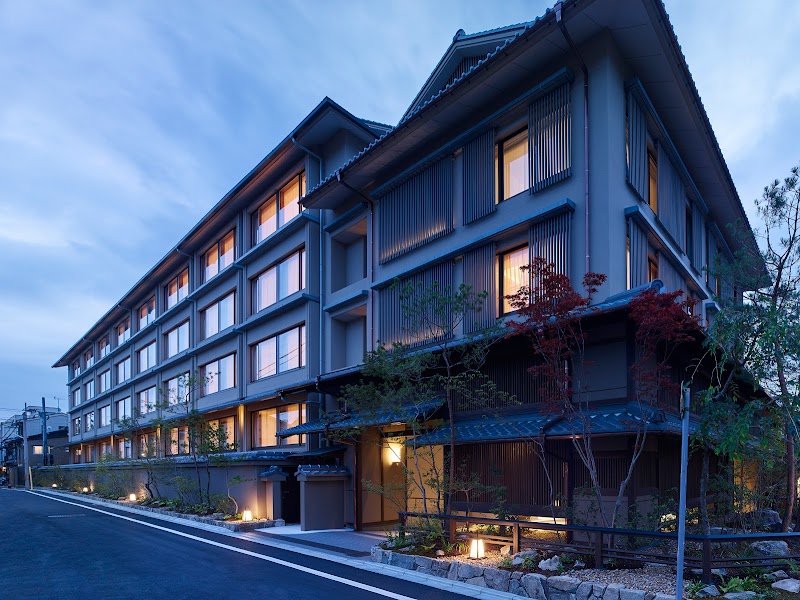
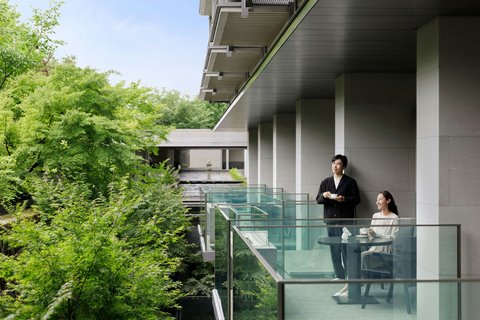
Hotels in the Gion area range from the extraordinary Park Hyatt Kyoto on the Higashiyama slope (technically Higashiyama ward but immediately adjacent to Gion) to intimate machiya guesthouses that have operated as accommodation for generations. Sowaka and Celestine Kyoto Gion are newer boutique entrants that have applied contemporary design sensibility to traditional forms.
Practically, the Gion neighbourhood location gives excellent access to the Higashiyama shrine and temple trail (Fushimi Inari is an hour south by train), the Nishiki food market (20 minutes west on foot), and the Kamo Riverbank walking and cycling route that connects Gion to the more commercial areas north and south. Gion Matsuri, Kyoto's great summer festival (July), is centred here and transforms the neighbourhood into something extraordinary.