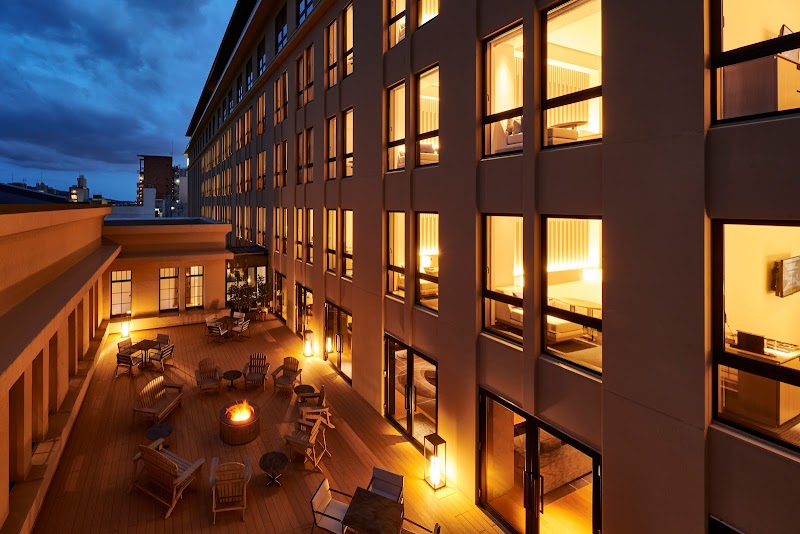
The ryokan is Japan's indigenous hospitality form — a guest house built around the act of hospitality (omotenashi) in its most concentrated expression. Guests are welcomed by staff who bow, shown to tatami rooms that are prepared while you bathe, served kaiseki dinner in the room or a private dining space, and attended throughout the stay with a level of focused, non-intrusive service that has no Western equivalent.
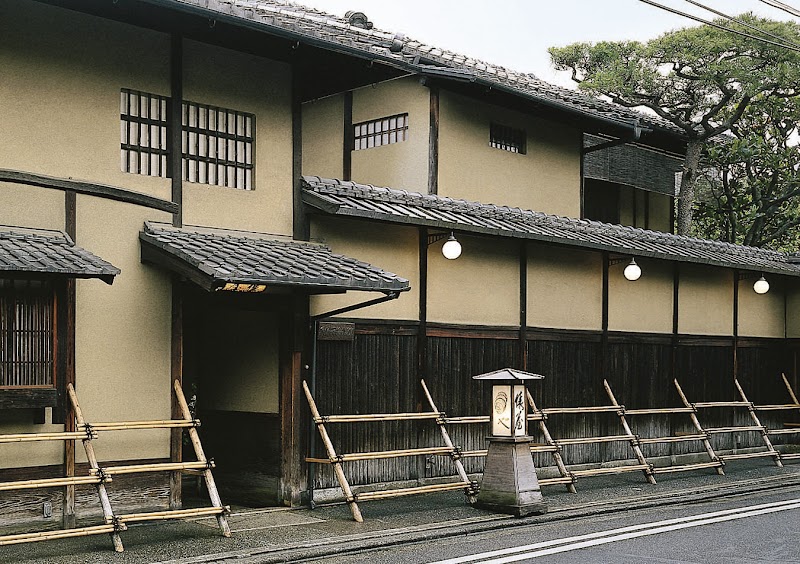
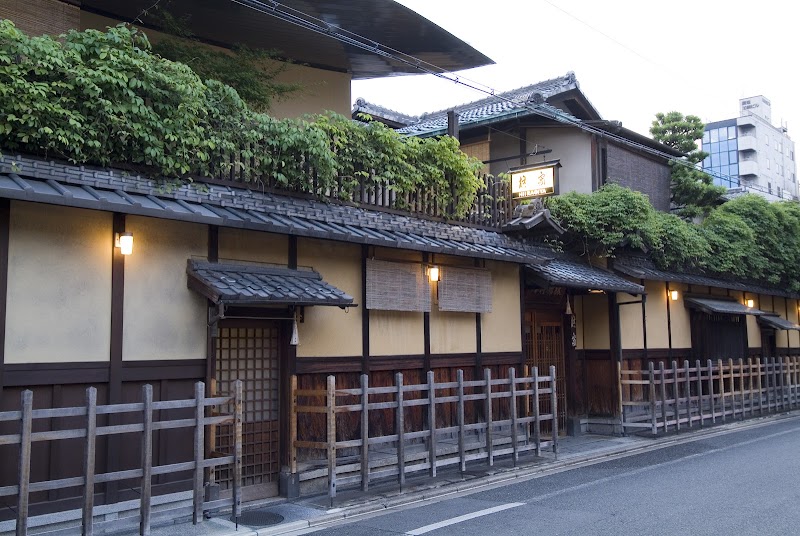
Kyoto's ryokan spectrum runs from the internationally famous to the intimate and local. Tawaraya and Hiiragiya, both in the Nakagyo ward near the Nijo Castle area, are the two properties most frequently cited as Japan's finest — both have been operating for over 250 years and have hosted everyone from Emperor Meiji to Yasunari Kawabata (who wrote about staying at Tawaraya). Both are now extraordinarily expensive (¥100,000–¥200,000 per person per night including kaiseki dinner and breakfast) and require advance booking of several months.
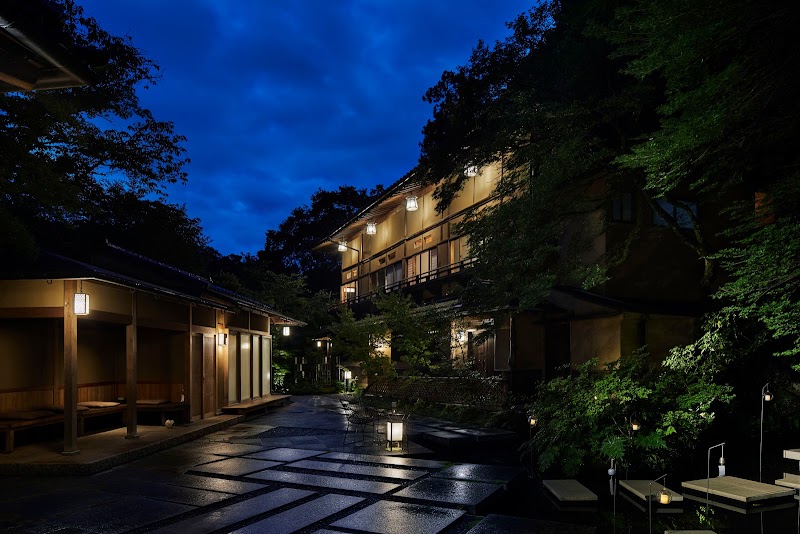
HOSHINOYA Kyoto takes the ryokan concept in a different direction — a resort ryokan in the Arashiyama forest accessible only by private boat from the Oi River. The boat journey, passing beneath forest and over clear mountain water, is itself a significant part of the experience. The property serves multi-course kaiseki, has excellent onsen facilities, and the bamboo forest walks from the property into Sagano are some of the finest in Kyoto.
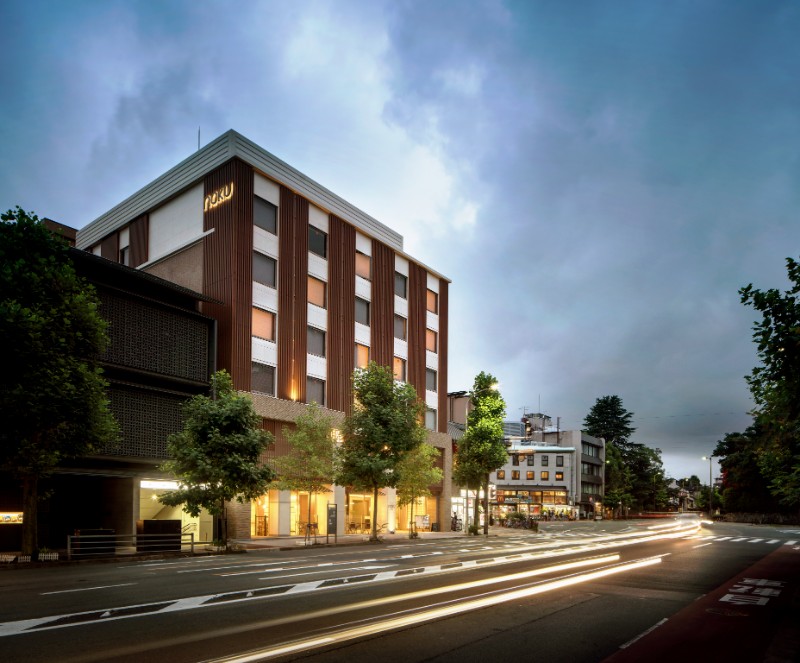
For first-time ryokan guests, the mid-range options — Noku Kyoto, The Gate Hotel Kyoto — provide the essential tatami, futon, and yukata experience with more forgiving service expectations and rates that allow longer stays. Understanding ryokan etiquette (removing shoes at the entrance, folding yukata correctly, bathing before entering the onsen) matters: a brief hotel orientation at check-in is normal and appreciated.