Kyoto's luxury hotel landscape divides cleanly between international brand luxury and traditional Japanese hospitality (ryokan). The international five-star hotels — Ritz-Carlton, Aman, Four Seasons, Park Hyatt — offer Western-standard room size and service infrastructure with Japanese aesthetic sensibility applied to architecture and design. The traditional ryokan — Tawaraya, Hiiragiya, HOSHINOYA — offer a fundamentally different model: tatami rooms, kaiseki dinner service, and the ryokan's specific version of hospitality that has no Western equivalent.
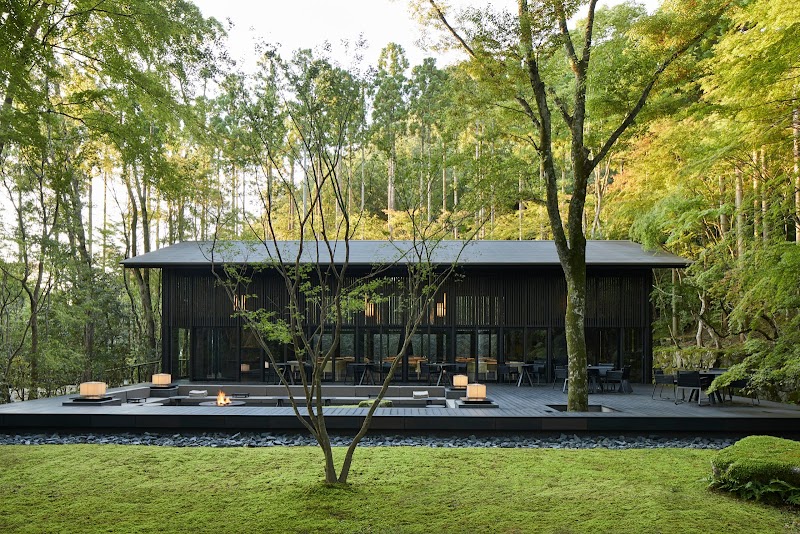
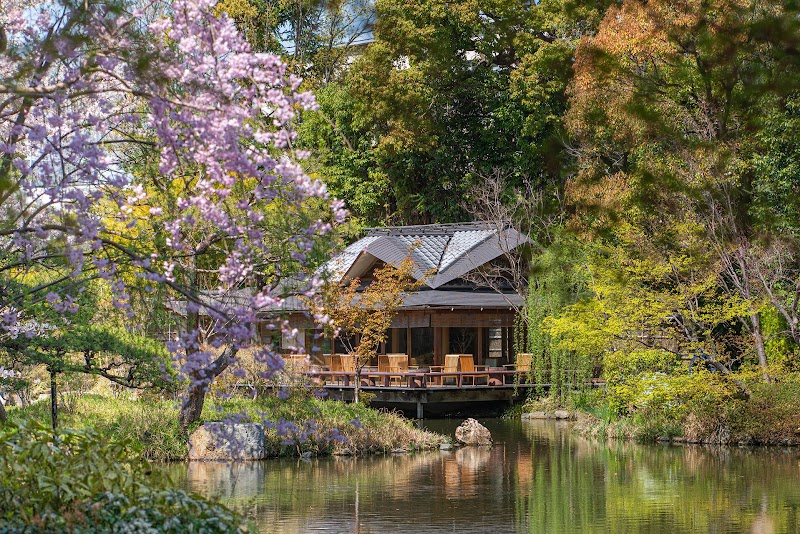
The Aman Kyoto represents the logical synthesis of these two traditions. Set in a forest garden in the northern hills above Kinkakuji, the property is architecturally Japanese in every particular — stone, water, garden — but provides the full Aman service infrastructure (one of the finest in international hospitality) to guests who may be encountering Japanese traditions for the first time. The garden alone justifies the stay.
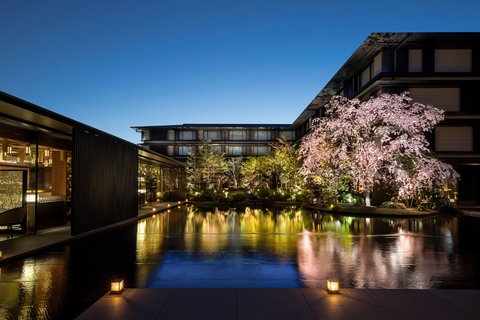
The Ritz-Carlton occupies the finest urban position of the international luxury brands — on the Kamogawa riverfront with Higashiyama views and immediate Gion access. The hotel's size (134 rooms) makes it the largest true luxury property in the city, with a comprehensive spa, multiple restaurants, and the full infrastructure that first-time visitors to Kyoto benefit from.
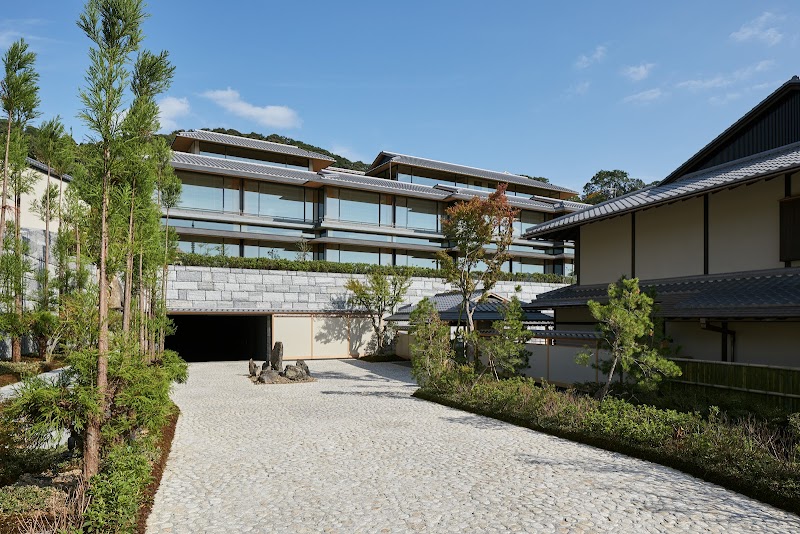
The Park Hyatt Kyoto on the Higashiyama slope is the most architecturally dramatic of the recent openings — embedded in a hillside garden with mountain views, only 70 rooms, and a level of intimacy that larger properties cannot provide. Opened in 2019, it immediately established itself as the most desirable address for design-conscious travellers.
For budget note: Kyoto luxury is genuinely expensive in cherry blossom season (late March–early April) and autumn foliage (mid-November) — rates at top properties can reach ¥150,000–¥300,000/night. November and late spring offer better value while the city is still beautiful.