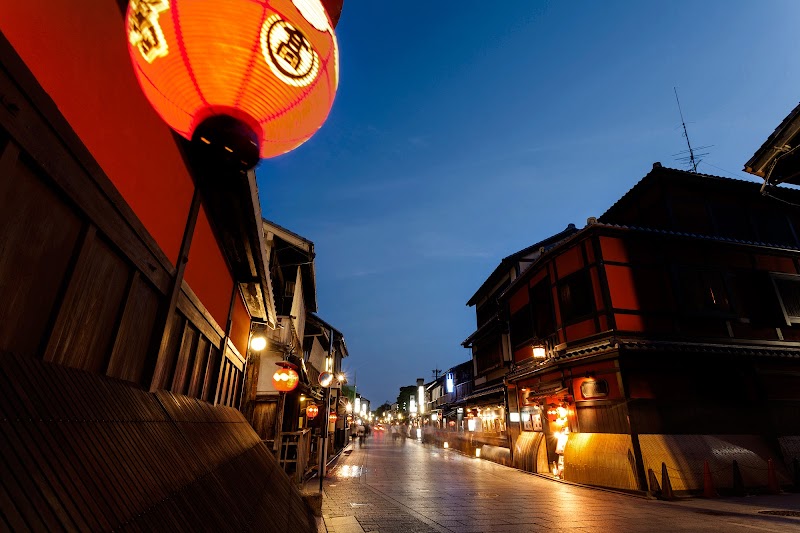
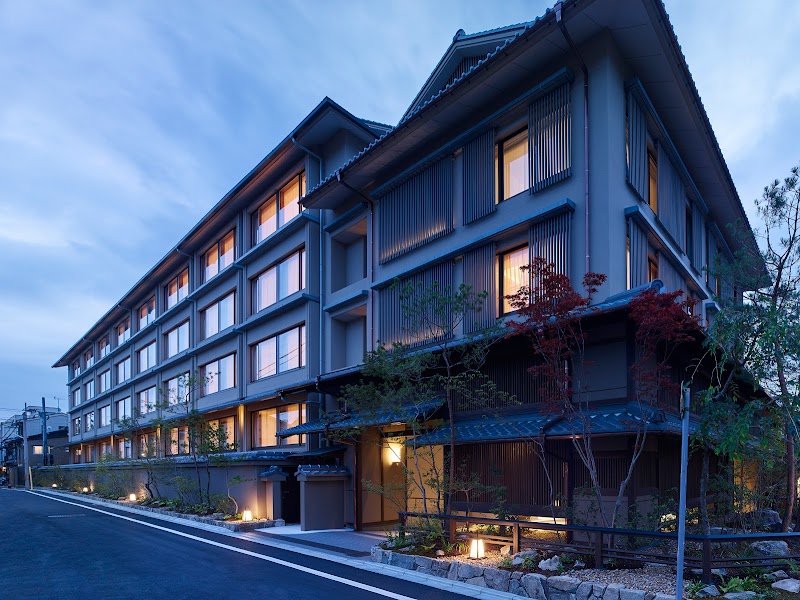
The machiya townhouse is Kyoto's distinctive urban building type — a long, narrow timber structure ('eel bed' proportions) built to a medieval street grid that has survived largely intact in the central wards. These buildings, which housed merchant businesses on the ground floor and family accommodation above, are the raw material of Kyoto's boutique hotel movement.
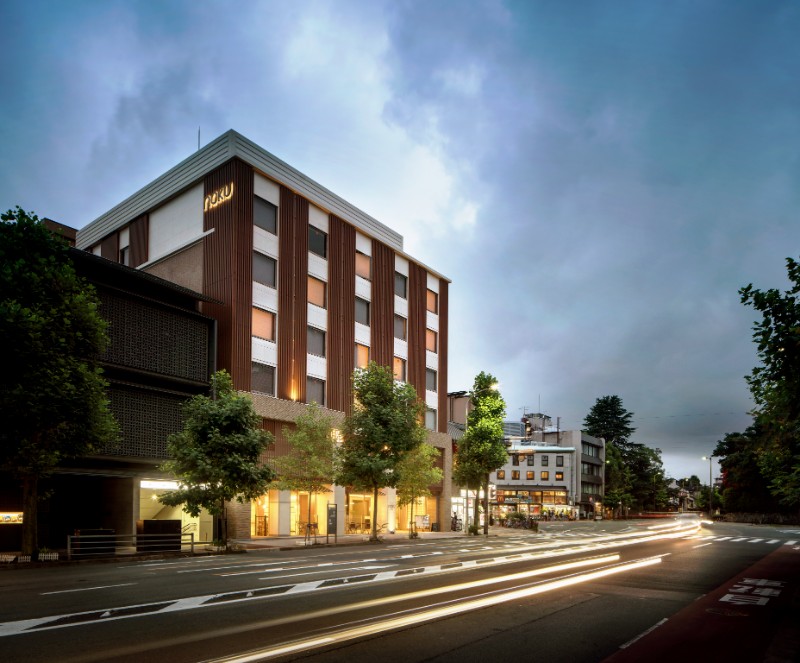
The machiya boutique phenomenon began in earnest in the 2000s when increasing numbers of townhouses became available as families moved to apartment buildings. Design-forward hospitality entrepreneurs recognised the potential: these buildings, when restored with skill, offer extraordinarily atmospheric accommodation at the heart of a UNESCO World Heritage city. Sowaka and Celestine Kyoto Gion are the most successful recent entrants; older properties like Noku Kyoto and Hotel Kanra have refined the model over a longer period.
The challenge of machiya boutique hotels is the original narrow proportions — rooms tend to be small by international standards, and the traditional building forms (internal garden well, corridor structure, sliding screen doors) require guests to adapt their movements slightly. This is a feature, not a defect: the physical relationship with the building's original architecture is part of what makes the stay significant.
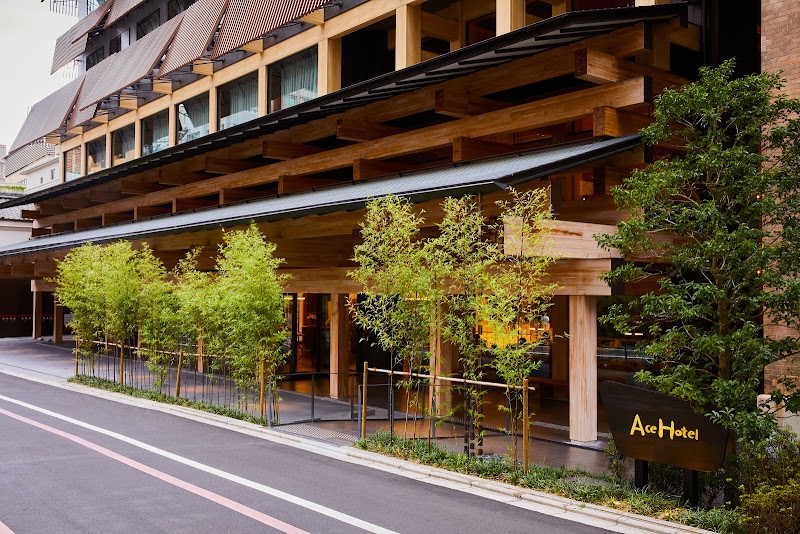
For guests seeking Kyoto boutique hotels that combine contemporary international design standards with Japanese architectural sensibility without the full traditional-immersion proposition of the ryokan, the Ace Hotel Kyoto (Kengo Kuma's contemporary interpretation) and ROKU KYOTO (hillside contemporary resort) represent the most successful recent expressions of this genre.