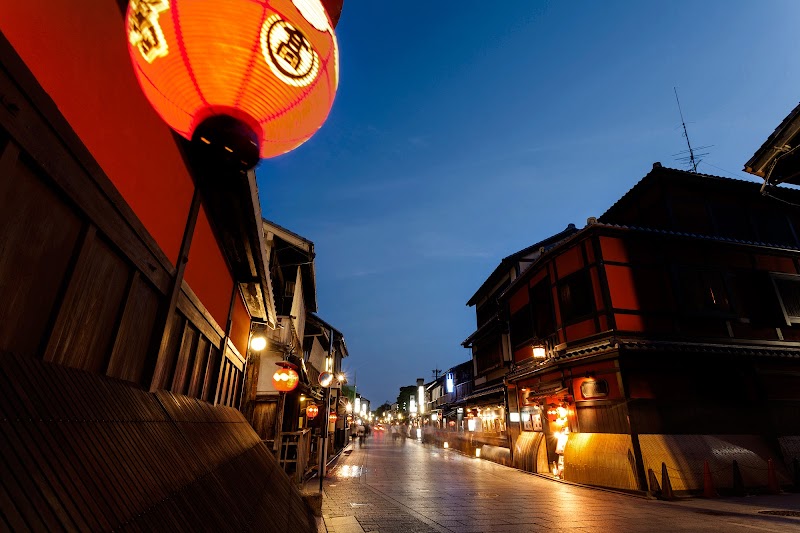
Higashiyama stretches along the base of the eastern hills from Gion in the north to Fushimi in the south, covering a sightseeing circuit of extraordinary density. The Kiyomizudera temple complex — built without nails from Japanese cypress, its great stage overhanging the hillside — is the district's defining monument and one of Japan's most visited sites. Below it, the Ninen-zaka and Sannen-zaka lanes (literally 'two-year slope' and 'three-year slope') descend through perfectly preserved machiya shophouses selling ceramics, lacquerware, and traditional foods.
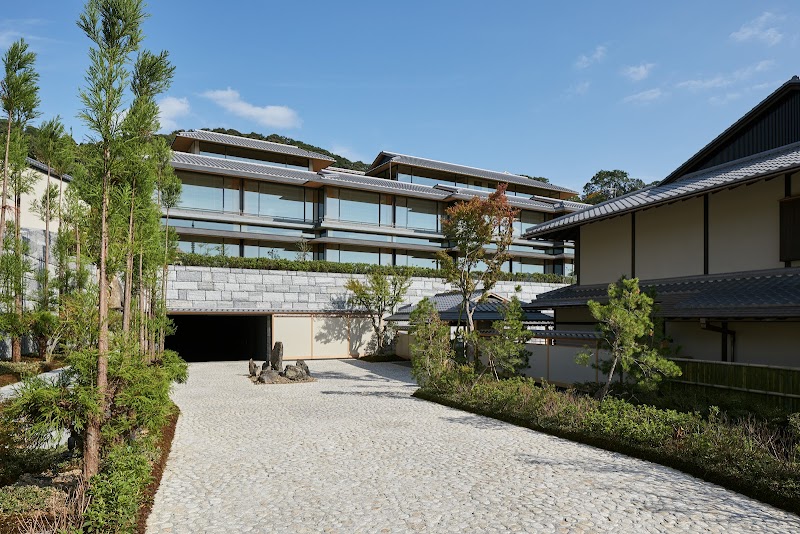
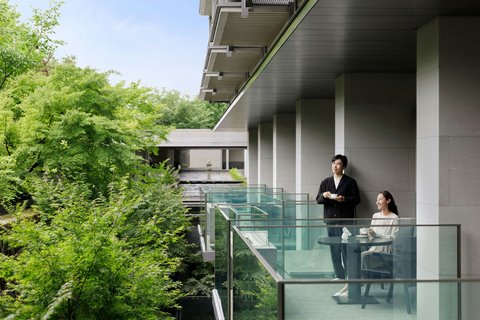
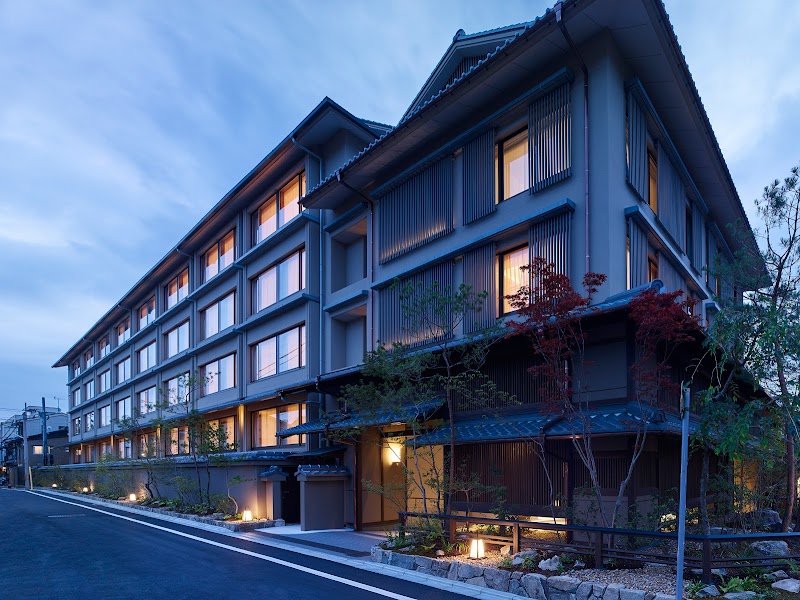
Hotels in the Higashiyama district are more limited than in central Kyoto — the preserved historic townscape limits new construction, and the residential character of the streets means fewer commercial hotel developments. The Park Hyatt Kyoto on the hillside slope is the most significant recent entry; older properties like the Four Seasons Kyoto near Chishaku-in and smaller ryokan-style guesthouses on Sanjo Street and Shirakawa-dori fill the middle and lower market.
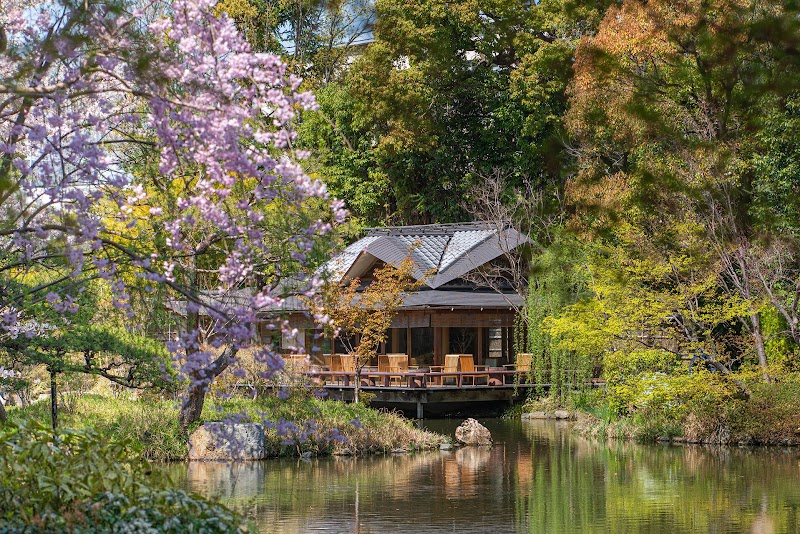
The Shirakawa Canal — a narrow waterway lined with cherry trees that runs through Gion's northern edge into the Higashiyama district — is one of Kyoto's most beautiful streets, particularly in spring cherry blossom and autumn foliage seasons. Hotels that position themselves near this corridor are extremely well-placed for morning walks that are among the finest in Japan.
Practically: Higashiyama is best explored on foot — the sightseeing circuit from Yasaka Shrine south to Kiyomizudera takes 2–3 hours at a gentle pace through the temple trail. The district's narrow lanes are impassable for vehicles after 9am in peak seasons, which makes hotels with luggage trolley service or alternative street access essential.