Trastevere — literally 'across the Tiber' — occupies the west bank of the river directly across from the ancient Campus Martius. It's been a working-class neighborhood for most of its 2,500-year history, and while gentrification has transformed much of it, the street character remains more authentic than the historic center on the other bank. The tangle of alleys around Piazza di Santa Maria in Trastevere maintains a pace and texture that feels genuinely removed from the tourist circuit.
The neighborhood's centerpiece is the Basilica of Santa Maria in Trastevere — one of the oldest churches in Rome, dating to the 3rd century AD, with 12th-century mosaics that glow gold in the late afternoon light. The piazza around the church is Trastevere at its best: children playing football, elderly residents on benches, tourist and local intermingled in a way that has becoming increasingly rare in central Rome.
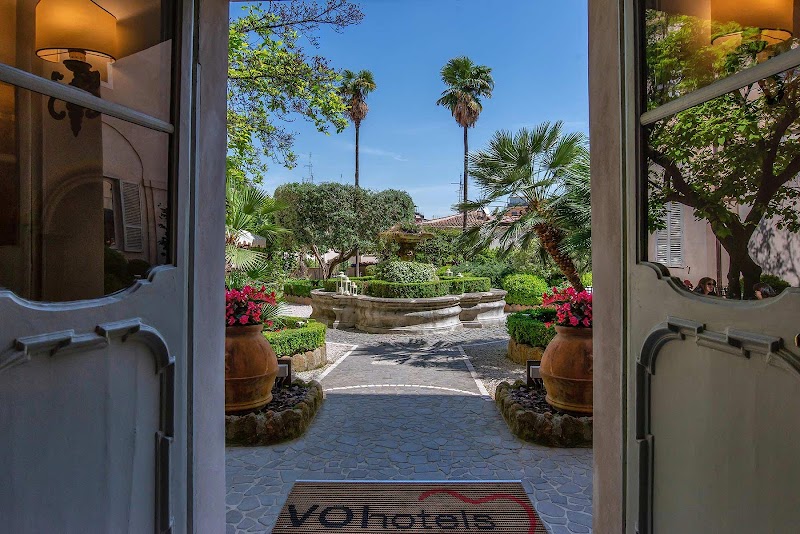
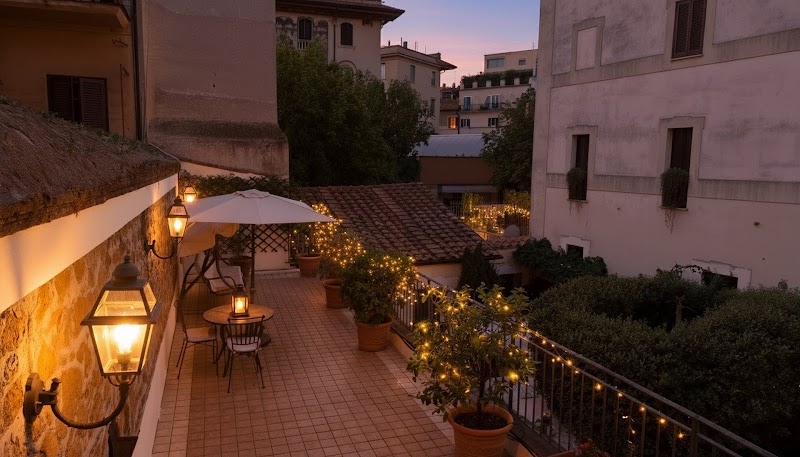
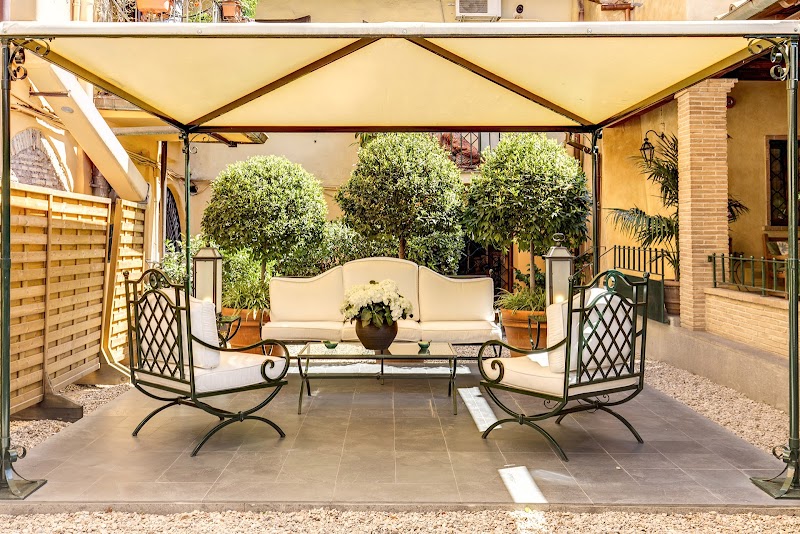
Hotels in Trastevere are almost uniformly boutique — the scale of the buildings and the width of the streets make anything larger than 50 rooms an anomaly. This forces a quality of intimacy and character that larger neighborhoods can't replicate. Many of the best options are converted medieval buildings with exposed stone walls, wooden beam ceilings, and gardens that open unexpectedly from tight street entrances. Room sizes are generally smaller than equivalent-price hotels in the historic center, but the atmospheric compensation is significant.
The dining scene in Trastevere is genuinely excellent but requires navigation — the tourist restaurants immediately surrounding Piazza di Santa Maria serve predictably mediocre food at elevated prices, while the trattorias on the side streets three to five minutes' walk from the piazza serve the most reliable Roman cooking in the city. The evening atmosphere is wonderful — aperitivo hour starting at 6pm creates a street-life energy that culminates in a late dinner rhythm perfectly calibrated to Italian summer nights.