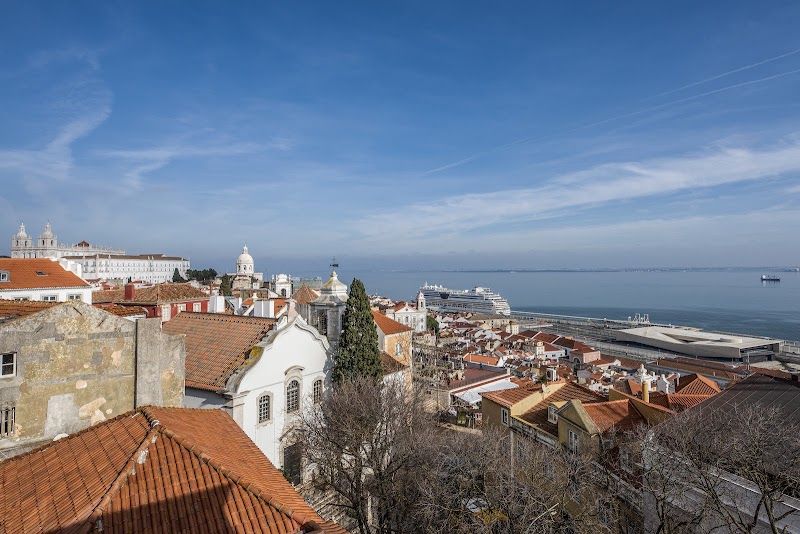
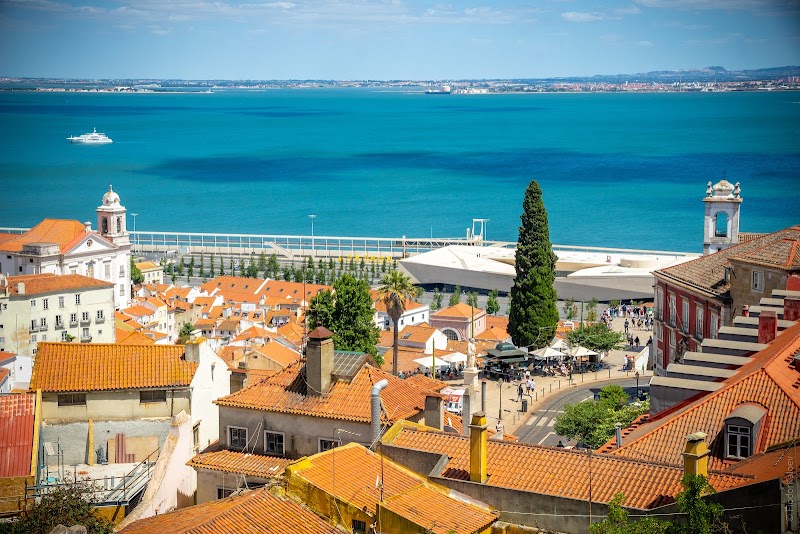
The Alfama takes its name from the Arabic 'Al-hama' (hot springs), a reference to the Moorish baths that once occupied the neighbourhood. When Afonso Henriques conquered Lisbon from the Moors in 1147, the Alfama was already a centuries-old settlement, and its organic, unplanned street pattern — a stark contrast to the Pombaline grid of the Baixa — preserves the Moorish city's form to a remarkable degree.
The neighbourhood sits on the steep slopes between São Jorge castle at the summit and the Tagus waterfront at the base, with the Sé cathedral (Lisbon's oldest church, founded 1147) marking the western boundary. The streets are narrow enough that in many places adjacent houses can be touched simultaneously by stretching out both arms — creating the dense, labyrinthine quality that makes the Alfama both deeply atmospheric and genuinely difficult to navigate.
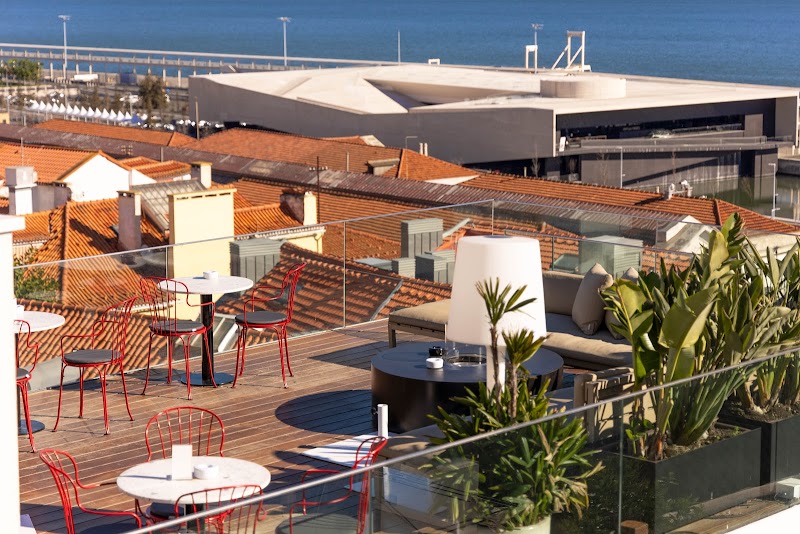
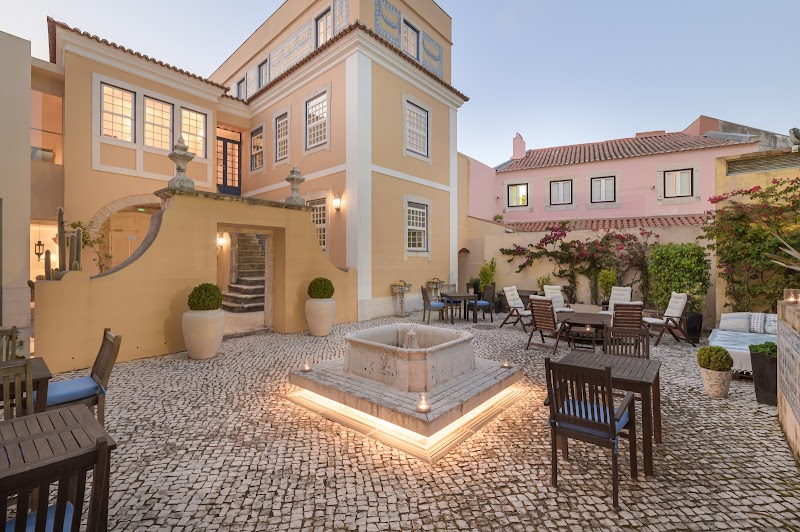
Hotels in the Alfama are necessarily boutique properties — the building scale and street geometry preclude larger developments. The most celebrated are Memmo Alfama (modern luxury with rooftop pool and castle views), Santiago de Alfama (a restored 15th-century palace), and Solar do Castelo (literally within the castle walls). All three share castle and river views, fado music within walking distance, and the particular romance of a neighbourhood that operates on a timescale untouched by the 21st century.
Practical considerations are significant. The Alfama streets are navigable only on foot — no cars (and no taxis except for a few routes) can reach most hotel entrances. Luggage transport requires tuk-tuk or manual carrying. The cobblestones are steep and can be treacherous in wet weather. The neighbourhood is genuinely quiet by midnight — the fado houses maintain late hours, but the general residential streets go silent early.
Fado is the spiritual backbone of the Alfama experience. The neighbourhood has more fado houses per square metre than anywhere else in Portugal, and the best — Tasca do Chico, Mesa de Frades, Sr. Fado — all require advance reservations. Your hotel's concierge or owner will have the best current recommendations; the best fado houses rarely need the tourist boards' endorsement.