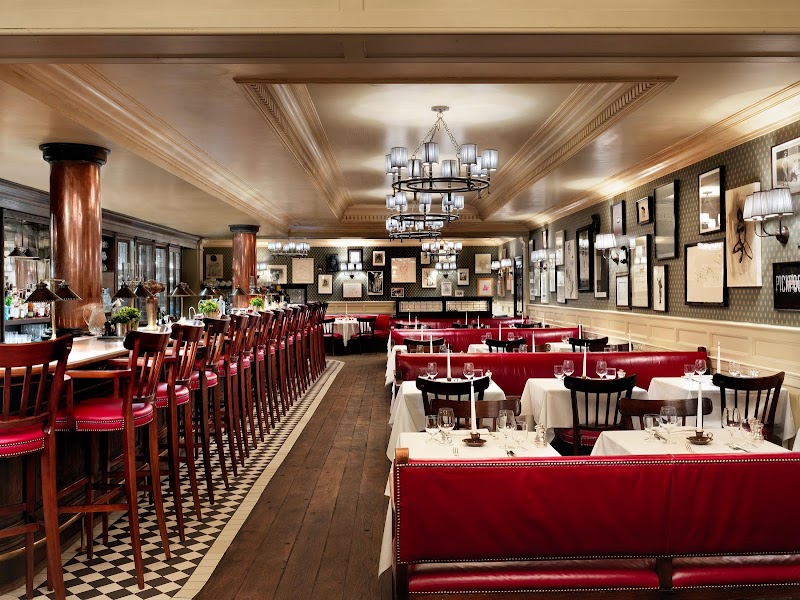
London's boutique hotel tradition emerged partly from necessity: the city's architectural heritage of Georgian terraced houses and Victorian converted warehouses doesn't lend itself easily to the 300-room grand hotel format. What it does lend itself to, with extraordinary generosity, is the 40–80 room property where every detail can be supervised and every guest can be known. This intimacy-by-architecture has produced a boutique scene of unusual depth.
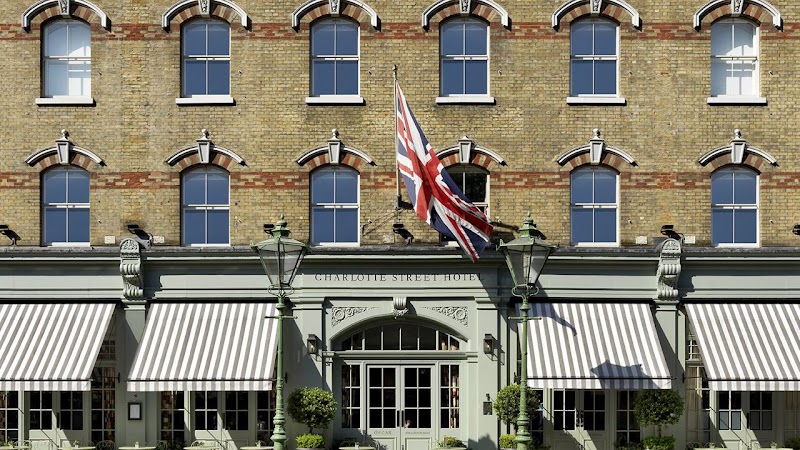
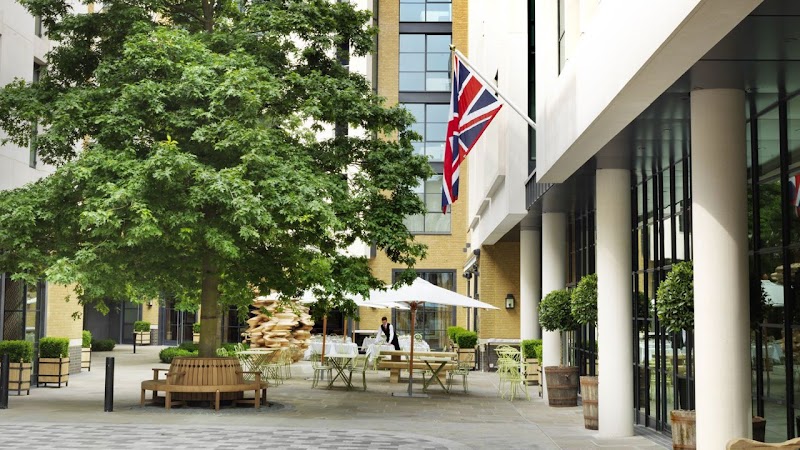
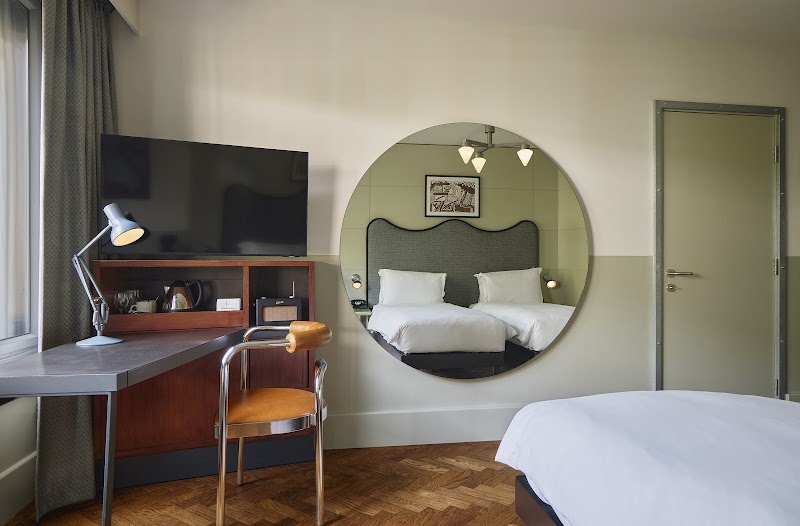
The Firmdale Hotels group — founded by Tim and Kit Kemp — established a distinctly British boutique aesthetic in the 1980s and 1990s: bold colour, witty touches, genuinely excellent beds, and a social atmosphere centred on the bar and drawing room rather than the restaurant. The Charlotte Street Hotel, the Soho Hotel, the Covent Garden Hotel, and the Ham Yard Hotel are all Firmdale properties and all represent the aesthetic at its most polished.
East London's boutique scene has developed on quite different terms: the Hoxton group (now operating globally from its Shoreditch origin), the Ace Hotel, and a scatter of smaller independent properties have created a design language of exposed brick, vintage furniture, vinyl record collections, and a coffee programme that takes itself as seriously as the rooms. This aesthetic is earnest about craft in a way that Firmdale's patrician wit is not — and both are entirely sincere expressions of their respective neighbourhoods.
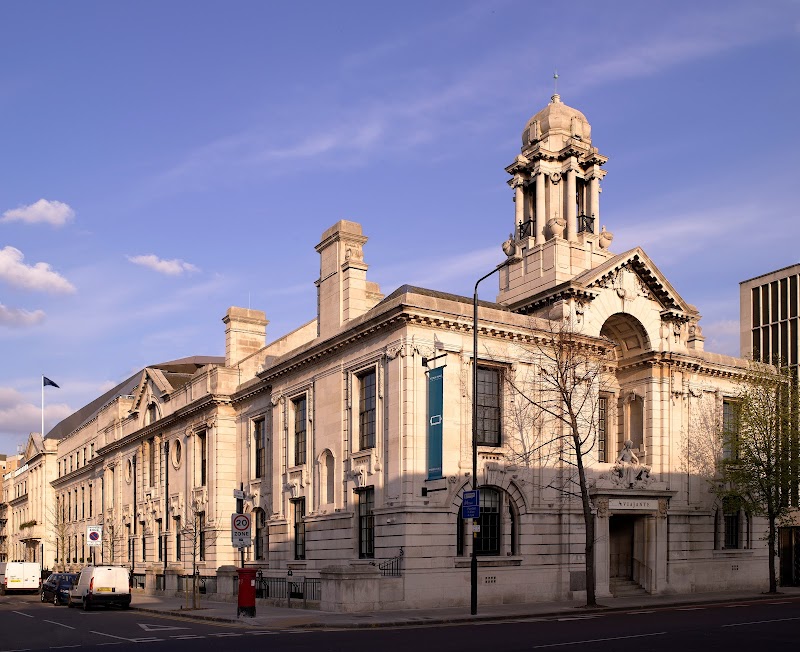
For those seeking the most architecturally distinctive boutique experiences, the conversion properties are the best hunting ground: Dean Street Townhouse in Soho (a Georgian townhouse with 39 rooms above one of the area's finest restaurants), the Artist Residence in Pimlico (a Victorian townhouse with handmade furniture throughout), and the Town Hall Hotel in Bethnal Green (an Edwardian town hall converted into one of East London's finest design hotels).