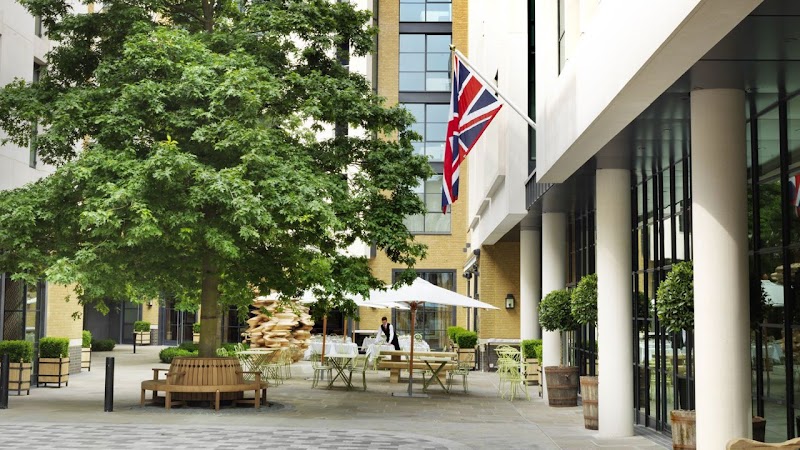
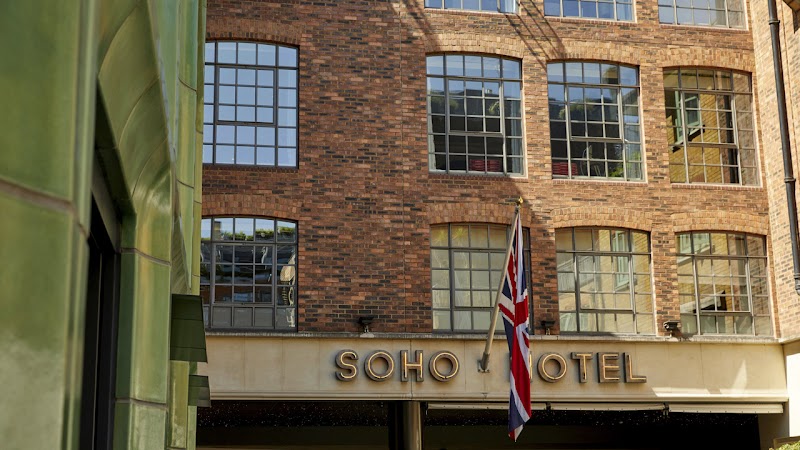
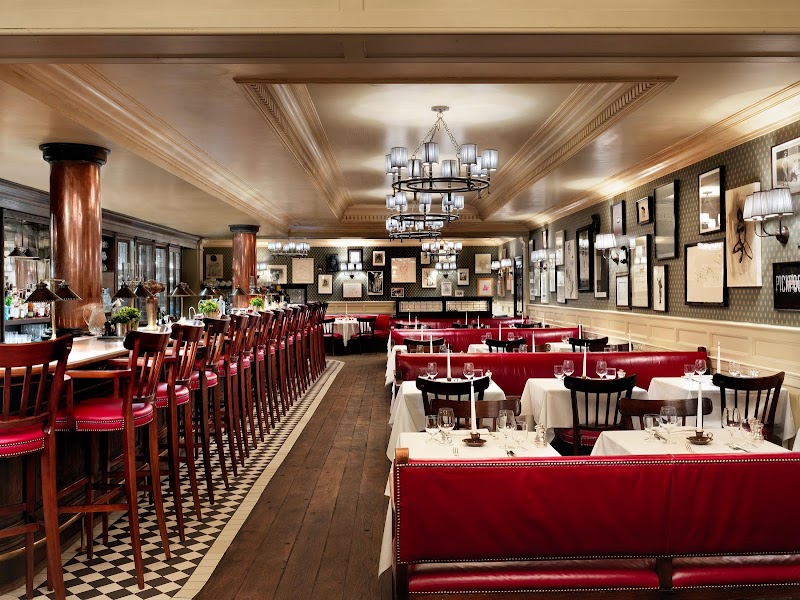
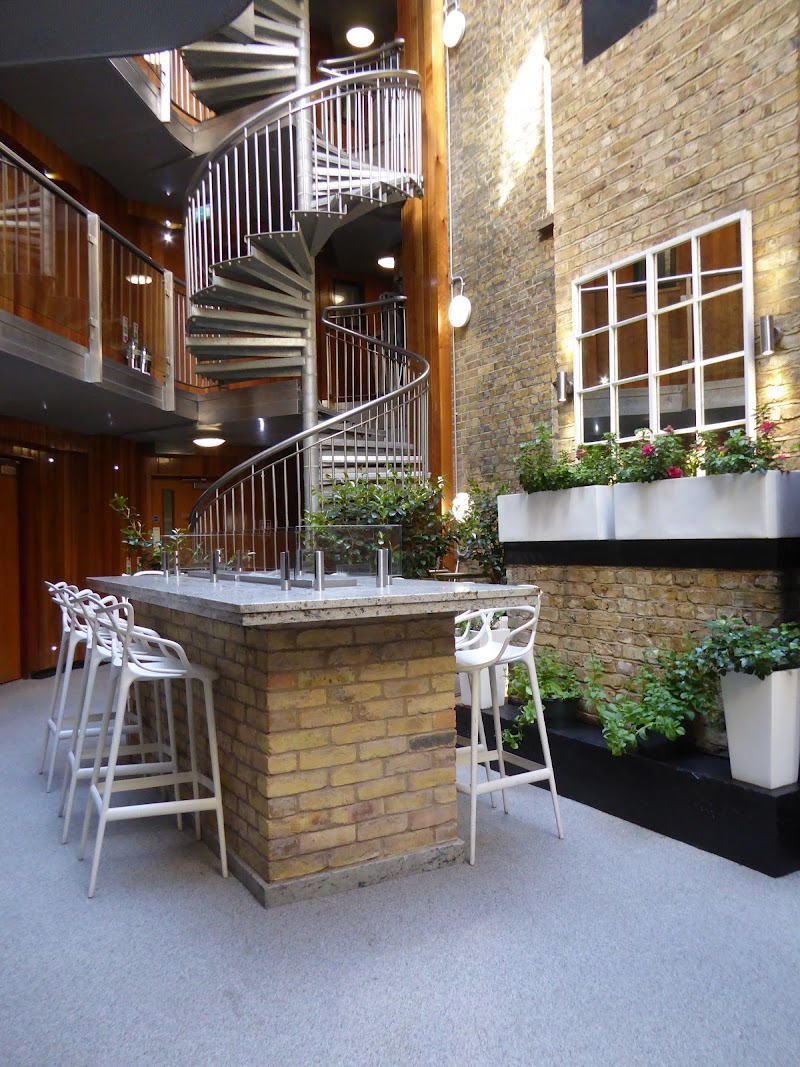
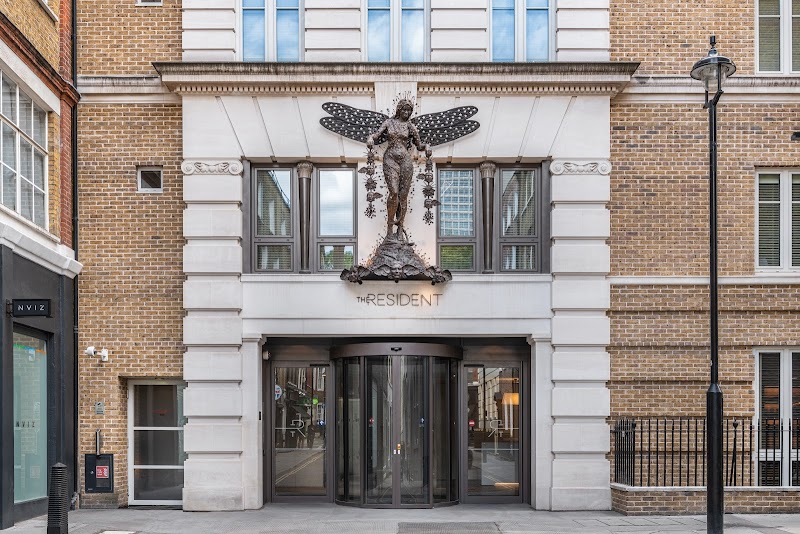
Soho's hotel landscape is characterised by intelligent constraint: the neighbourhood's dense, narrow streets and protected building stock means most properties are concentrated in Georgian townhouses with 30–60 rooms rather than large purpose-built hotels. This enforced intimacy produces some of London's most distinctive hotel environments — Dean Street Townhouse, the Ham Yard Hotel (technically Theatreland, but Soho-adjacent), and the Soho Hotel (Firmdale's largest London property).
The neighbourhood's entertainment infrastructure is the most concentrated in Britain: Leicester Square's cinemas, the Lyric and the Apollo theatres on Shaftesbury Avenue, the Ronnie Scott's Jazz Club on Frith Street, the Curzon Cinema on Shaftesbury Avenue, the French House pub on Dean Street (which has been the after-show destination for theatre and film people since the 1930s). A hotel in Soho puts you within 5 minutes of all of this on foot.
Soho's food scene has become one of Europe's most diverse and celebrated over the past decade: Andrew Wong's A. Wong in nearby Victoria (two Michelin stars) and Angela Hartnett's Murano (also Victoria) are close enough to draw from the neighbourhood. The Berwick Street Market (Monday–Saturday) is London's most accessible central market for produce and street food. Bao, Barrafina, Kiln, and Xu are all within the square mile and represent different registers of the neighbourhood's extraordinary culinary range.
Old Compton Street — Soho's most famous street — remains London's most visible LGBTQ+ cultural thoroughfare, with bars and cafés that have been part of the community's social infrastructure for decades. The neighbourhood's historical openness to difference continues to define its atmosphere: Soho is London's most cosmopolitan square mile, where the definition of a normal day includes extraordinary variety.