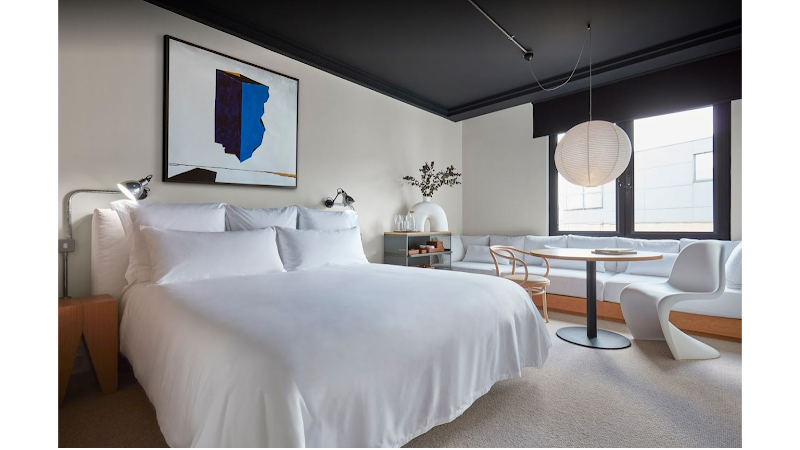
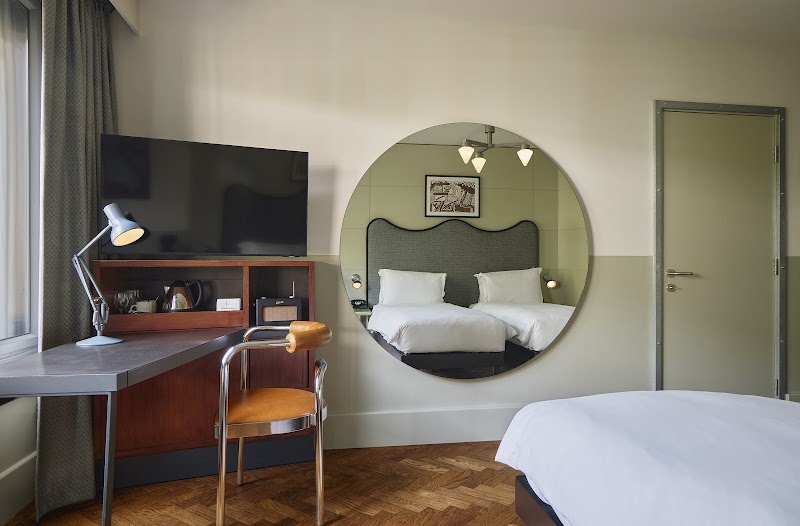
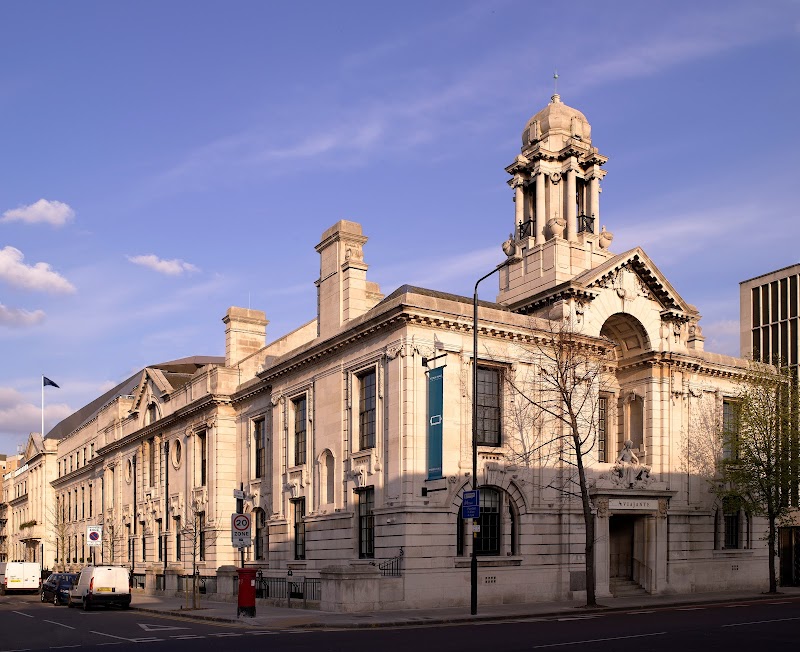
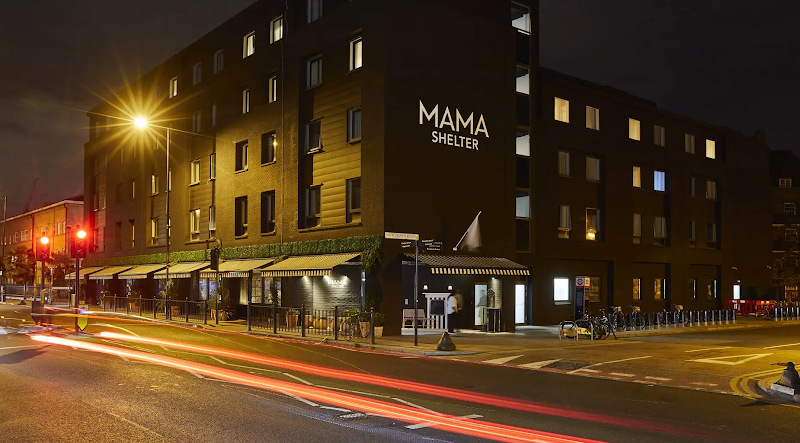
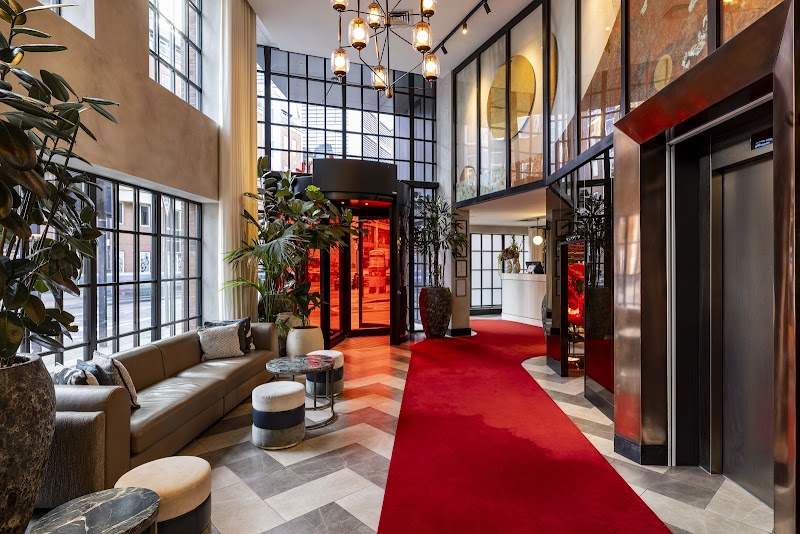
The Shoreditch hotel scene developed organically around the creative community that colonised the neighbourhood from the late 1990s onwards. The Hoxton Hotel (opened 2006) was the first to articulate the boutique-budget-with-neighbourhood-credentials formula that has since been replicated globally; its bar and restaurant attracted the local creative industry before the rooms were fully booked, establishing the template of a hotel that functions as a neighbourhood institution rather than an isolated property.
The East London aesthetic that Shoreditch embodies — exposed brick, industrial steel, Edison bulbs, leather Chesterfields beside concrete floors — has been executed in hotel form with varying degrees of conviction. The Ace Hotel London Shoreditch (which opened in the former Crown & Wool pub on Shoreditch High Street) does it most authentically: the vinyl listening stations, the collaboration with local artists, and the Hoi Polloi restaurant's genuinely thoughtful food programme reflect real neighbourhood values rather than a marketing exercise.
The neighbourhood's practical qualities for hotel guests are substantial: it is directly on the border of the City of London (Liverpool Street station is 10 minutes' walk for financial district access), adjacent to Brick Lane (one of London's best curry miles and a weekend market destination), and 15 minutes by Overground from the rest of East London's food and cultural circuit. The emergence of Shoreditch as a tech company hub has added a business travel dimension alongside the creative-industry base.
For eating and drinking, Shoreditch operates at a level that would make it the finest restaurant neighbourhood in most European cities — it simply happens to exist in a city with several competing clusters of similar quality. Leroy on Phipp Street, Smoking Goat on Denmark Street, and the permanent food market at Boxpark on Bethnal Green Road represent different registers of the neighbourhood's food excellence.