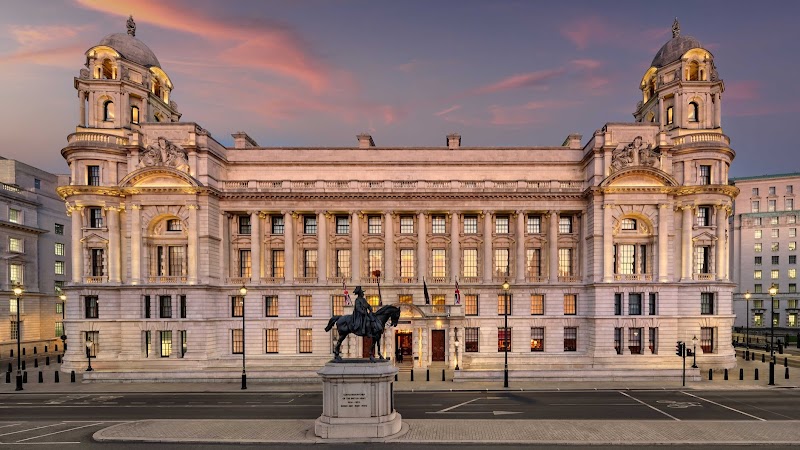
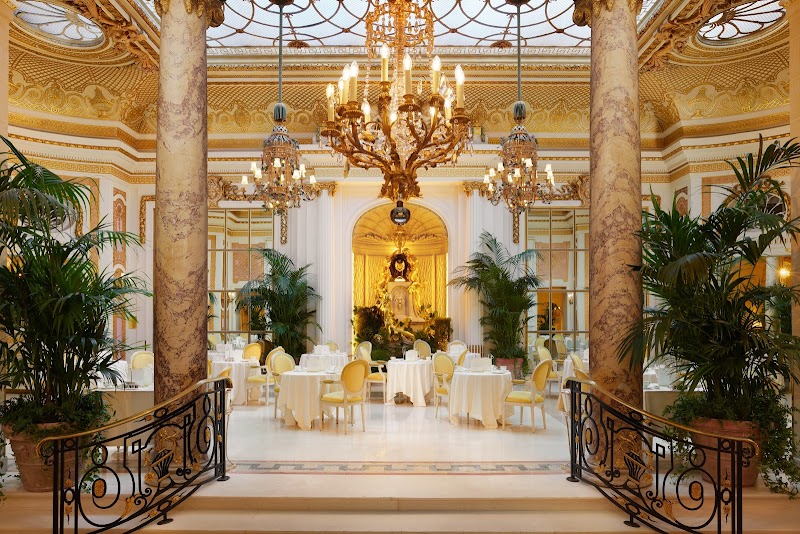
London's luxury hotel tradition runs deeper than almost any other city's — The Savoy, which opened in 1889, introduced en-suite bathrooms, electric lighting, and the first American bar in Europe, effectively establishing the template for modern luxury hospitality. That tradition of innovation has never stopped: the Bulgari opened in Knightsbridge; the Rosewood took over the Holborn Edwardian masterpiece; the Raffles London at the Old War Office converted Whitehall's most storied building into 120 rooms of staggering architectural drama.
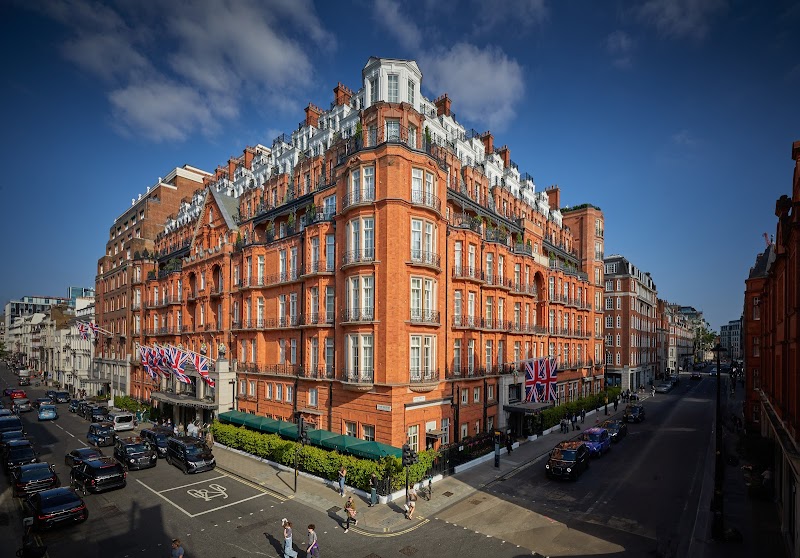
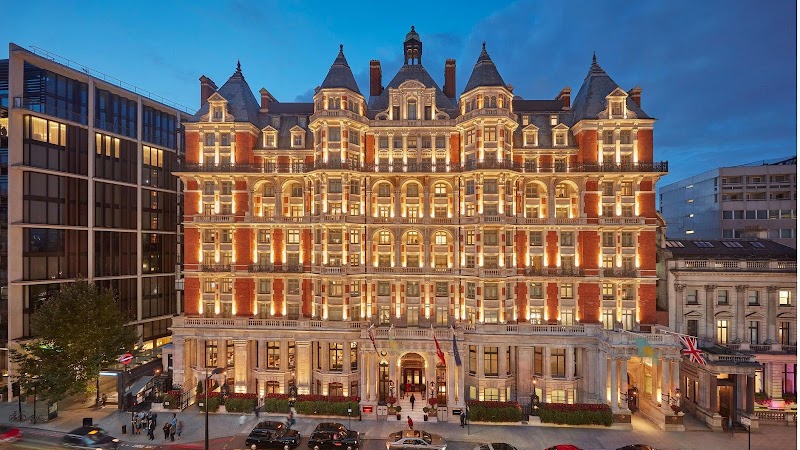
The geography of London luxury is broadly concentrated in four areas: Mayfair (The Ritz, Claridge's, The Connaught, The Dorchester), Knightsbridge (Mandarin Oriental, Bulgari, The Capital), Belgravia (The Berkeley, The Lanesborough), and the new wave of West End and City conversions (Raffles OWO, The Ned, Rosewood). Each area has its own emotional register: Mayfair is the most traditional, defined by Savile Row tailoring and Christie's auction previews; Knightsbridge has Harrods and a global clientele; Belgravia is the quietest and most residential; the West End newcomers carry a more cosmopolitan, media-facing energy.
London's luxury hotels are characterised by what might be called the British tradition of understated excess — no building that makes as much money from its suites as Claridge's would advertise the fact. The service ethos that has been passed down through generations of British hotel management — discreet, attentive, deeply personalised — continues to distinguish London's best properties from competitors who may have larger pools or more dramatic views.
For those staying a week or longer, London's luxury hotels offer residential programmes — weekly rates, apartment configurations, and dedicated butler services — that make them viable alternatives to private renting. Several have operating restaurants that are independent culinary destinations: Hélène Darroze at The Connaught, Dinner by Heston at the Mandarin Oriental, and Le Caprice (adjacent to The Ritz) are all dining experiences of the first order.