Skip to content

Tokyo — Traveler Guide

Best Honeymoon Hotels in Tokyo

Tokyo is one of the most unexpected and ultimately unforgettable honeymoon destinations — a city where the world's greatest concentration of Michelin-starred restaurants coexists with ancient temples, neon-lit alleyways, and ryokan guesthouses where centuries-old hospitality traditions are observed with a precision and warmth that redefines what service can mean. A Tokyo honeymoon rewards curiosity and openness, and couples who embrace the city's organized complexity return home having experienced something genuinely unlike anywhere else on earth.

honeymoon Tokyo best honeymoon hotel Tokyo Tokyo honeymoon hotel romantic hotels Tokyo
Best Honeymoon Hotels in Tokyo

Quick Answer

The Best Honeymoon Hotels in Tokyo at a Glance

Tokyo is one of the most unexpected and ultimately unforgettable honeymoon destinations — a city where the world's greatest concentration of Michelin-starred restaurants coexists with ancient temples, neon-lit alleyways, and ryokan guesthouses where centuries-old hospitality traditions are observed with a precision and warmth that redefines what service can mean. A Tokyo honeymoon rewards curiosity and openness, and couples who embrace the city's organized complexity return home having experienced something genuinely unlike anywhere else on earth.

  1. 1
    Park Hyatt Tokyo Shinjuku, Nishi-Shinjuku · $$$$ · ★ 9.4 Exceptional
  2. 2
    Aman Tokyo Otemachi, near the Imperial Palace · $$$$ · ★ 9.7 Exceptional
  3. 3
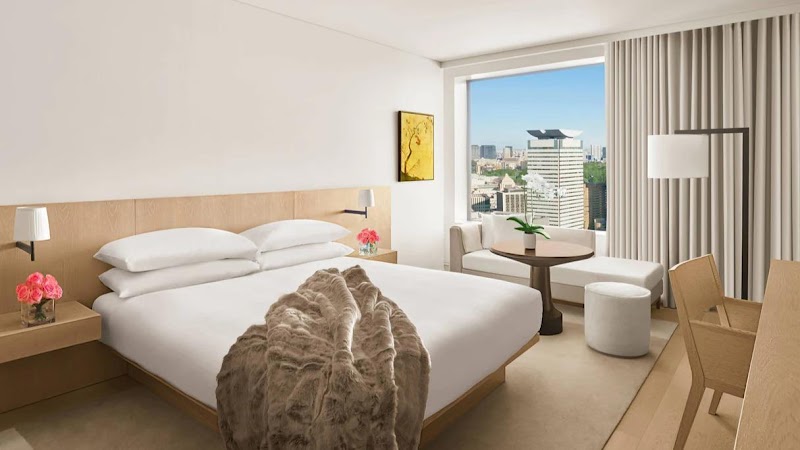
    The Tokyo EDITION, Toranomon Toranomon, Minato · $$$$ · ★ 9.2 Superb
  4. 4
    Hoshinoya Tokyo Otemachi · $$$$ · ★ 9.3 Superb
  5. 5
    The Okura Tokyo Toranomon, Minato · $$$$ · ★ 9.1 Superb

5 hotels reviewed · Price range: $$$$ · Last updated March 2026

About This Guide

Tokyo's scale — 37 million people in the greater metropolitan area — is initially daunting, but the city is organized with such extraordinary efficiency that navigating it on a honeymoon is easier than navigating much smaller European capitals. The train system is comprehensive, punctual, and intuitive once you understand the IC card system (get a Suica card at the airport on arrival and tap it everywhere). The neighborhoods are distinct enough that every train journey is also a cultural transition, and the language barrier that worries first-time visitors has been largely addressed by near-universal use of English signage in tourist areas and translation apps.

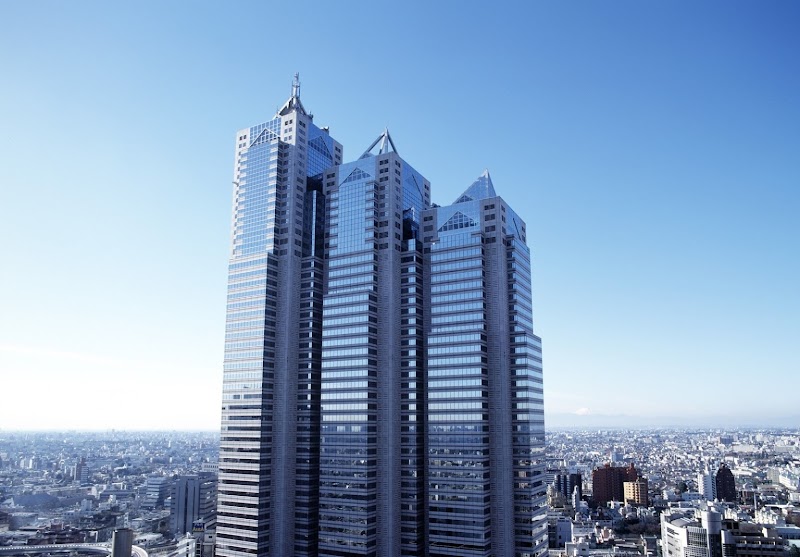
Shinjuku, where the Park Hyatt Tokyo occupies floors 39–52 of the Shinjuku Park Tower, remains the emblematic Tokyo honeymoon neighborhood. The combination of Shinjuku's extreme sensory complexity — the red light district of Kabukicho, the serenity of the Shinjuku Gyoen garden, the traditional izakayas of Memory Lane (Omoide Yokocho) serving yakitori under coils of steam — and the views of Mount Fuji at sunrise from the hotel pool creates a Tokyo honeymoon experience of particular intensity. The hotel's New York Bar, featured in Lost in Translation, is as atmospheric as that film suggests.

Asakusa, in the northeast, is old Tokyo — the district where Senso-ji Temple anchors a neighborhood of rickshaw rides, temple stalls, traditional craft shops on Nakamise-dori, and the narrow lanes of Yanaka where wooden machiya townhouses survived the 1945 bombing. Staying in Asakusa positions honeymooners within the city's most historically textured quarter, and the morning temple visit — before 8am, when the smoke from incense sticks is thick and tourists are absent — is one of the most quietly profound experiences Tokyo offers.

Shibuya and Omotesando, the city's most fashion-forward neighborhoods, offer a Tokyo honeymoon in a more contemporary register. The Andaz Tokyo in Toranomon, the Edition hotels in Toranomon and Shinjuku, and the Trunk Hotel in Shibuya represent a wave of design-led properties that have given Tokyo a boutique hotel scene competitive with New York and London. The area around Omotesando Hills, with its architecture by Tadao Ando and surrounding streets of flagship fashion houses in buildings by Pritzker Prize winners, is a genuine outdoor museum of contemporary architecture.

For honeymooners willing to venture outside Tokyo for a night, the ryokan experience — traditional Japanese inn with tatami rooms, kaiseki dinner served in room by kimono-wearing staff, and outdoor rotenburo (hot spring bath) — is available in Nikko (2 hours north), Hakone (1.5 hours southwest, with Mount Fuji views), and the hot spring towns of the Izu Peninsula. Booking a one- or two-night ryokan as part of a Tokyo honeymoon creates a cultural and sensory contrast that deepens the entire trip.
Insider Tips

  • 1

    Get a Suica IC card at the airport on arrival and load it with ¥5,000–10,000. It works on virtually every train, subway, and bus in Tokyo, and at convenience store checkouts. It makes the city's transport system effortless.

  • 2

    Book your top Tokyo restaurant 4–6 weeks ahead. The most sought-after omakase counters (sushi, tasting menu Japanese) fill months in advance. Use TableAll or Tablecheck for international bookings, or ask your hotel concierge — they often have relationships that unlock reserved tables.

  • 3

    Visiting Senso-ji Temple in Asakusa before 8am is the difference between a spiritual experience and a tourist attraction. The morning smoke, the monks' chanting, and the light through the Nakamise gate at dawn are extraordinary.

  • 4

    Add a night in Hakone (1.5 hours from Shinjuku by Romancecar train) at a ryokan with an outdoor onsen bath — Gora Kadan or Ryuguden are exceptional choices. On clear days, Mount Fuji from the onsen is a vista of almost unbearable beauty.

  • 5

    Tokyo convenience stores (7-Eleven, Lawson, FamilyMart) are genuinely good for breakfast and late-night snacks — onigiri, hot soba, tamagoyaki, and coffee are all excellent. Many couples discover them as a beloved daily ritual rather than a compromise.

Our Picks

Best Honeymoon Hotels in Tokyo

5 hotels · Updated February 2026

Park Hyatt Tokyo — Shinjuku, Nishi-Shinjuku
$$$$ Ultra-luxury
★ 9.4 Exceptional

Shinjuku, Nishi-Shinjuku

Park Hyatt Tokyo

The hotel of Lost in Translation occupies floors 39–52 of Kenzo Tange's Shinjuku Park Tower, and the view from the 52nd-floor New York Bar — across the entire Tokyo metropolis to Mount Fuji's cone on clear mornings — is one of the great urban vistas. The 177 rooms are generous by Tokyo standards (most hotels compress space dramatically), the Peak Pool on the 47th floor is an extraordinary lap pool with a view that has no equivalent in any other city, and the Tokyo restaurant serves breakfast kaiseki that redefines what morning can mean. The atmosphere is quietly, perfectly romantic.

  • Lost in Translation
  • Fuji views
  • New York Bar
Check Availability
Aman Tokyo — Otemachi, near the Imperial Palace
$$$$ Ultra-luxury
★ 9.7 Exceptional

Otemachi, near the Imperial Palace

Aman Tokyo

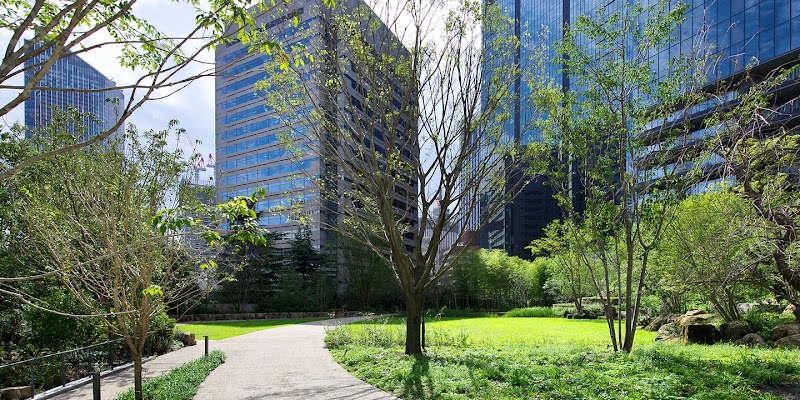
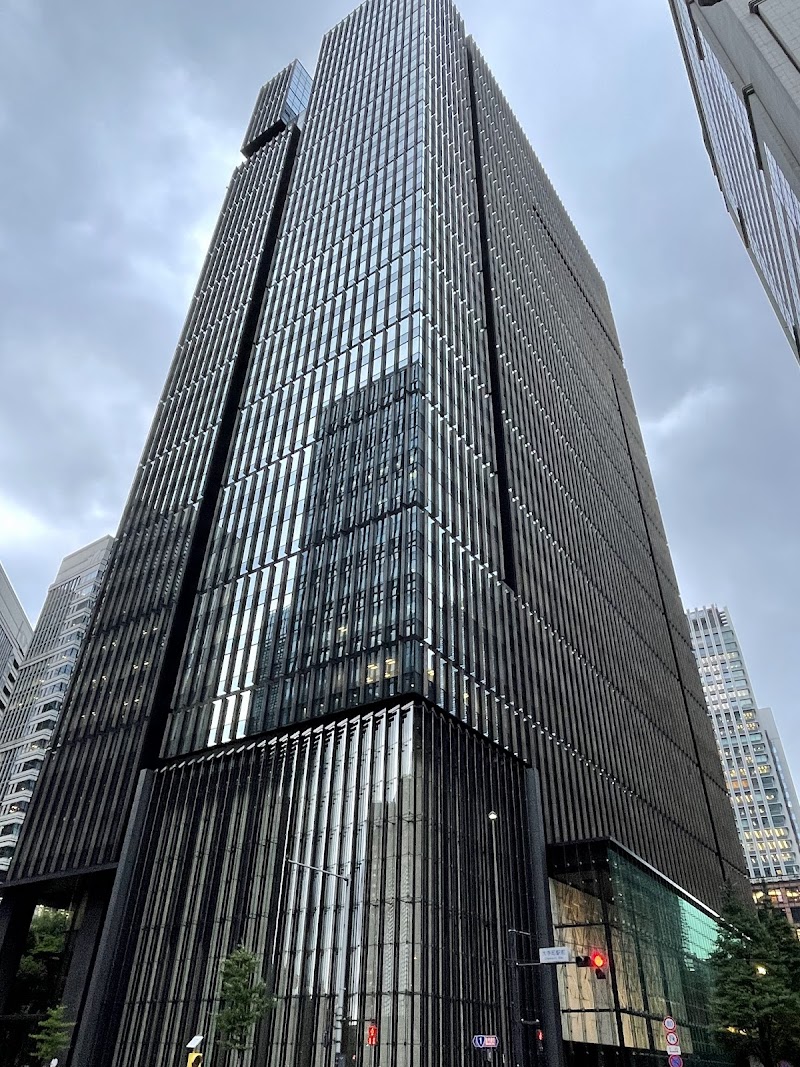
Aman arrived in Tokyo with its characteristic restraint and blew every expectation by actually being appropriate to the city — the 84 rooms occupying the top six floors of the Otemachi Tower look over the Imperial Palace Gardens and Chiyoda's ancient moat, one of the few places in Tokyo where green space and history dominate the view. The 33-meter indoor pool, the onsen bath on the upper floors, and the minimalist aesthetic informed by traditional Japanese design language make this the finest expression of what a Tokyo luxury hotel can aspire to be.

  • Imperial Palace views
  • Onsen
  • Aman serenity
Check Availability
The Tokyo EDITION, Toranomon — Toranomon, Minato
$$$$ Ultra-luxury
★ 9.2 Superb

Ian Schrager's Edition brand arrived in Tokyo with a property designed by Tokyo Bureau of Architecture and Tsuyoshi Tane — a building that engages seriously with Japanese design tradition while delivering the Edition's signature combination of great design, great food, and a social lobby that draws Tokyo's creative class. The Jade Room + The Garden restaurant is one of the finest hotel dining experiences in the city, and the rooftop bar's view over Tokyo Bay and the Rainbow Bridge provides a late-night perspective on the city's southern horizon that complements Shinjuku's western view.

  • Tokyo Bay views
  • Design hotel
  • Rooftop bar
Check Availability
Hoshinoya Tokyo — Otemachi
$$$$ Ultra-luxury
★ 9.3 Superb

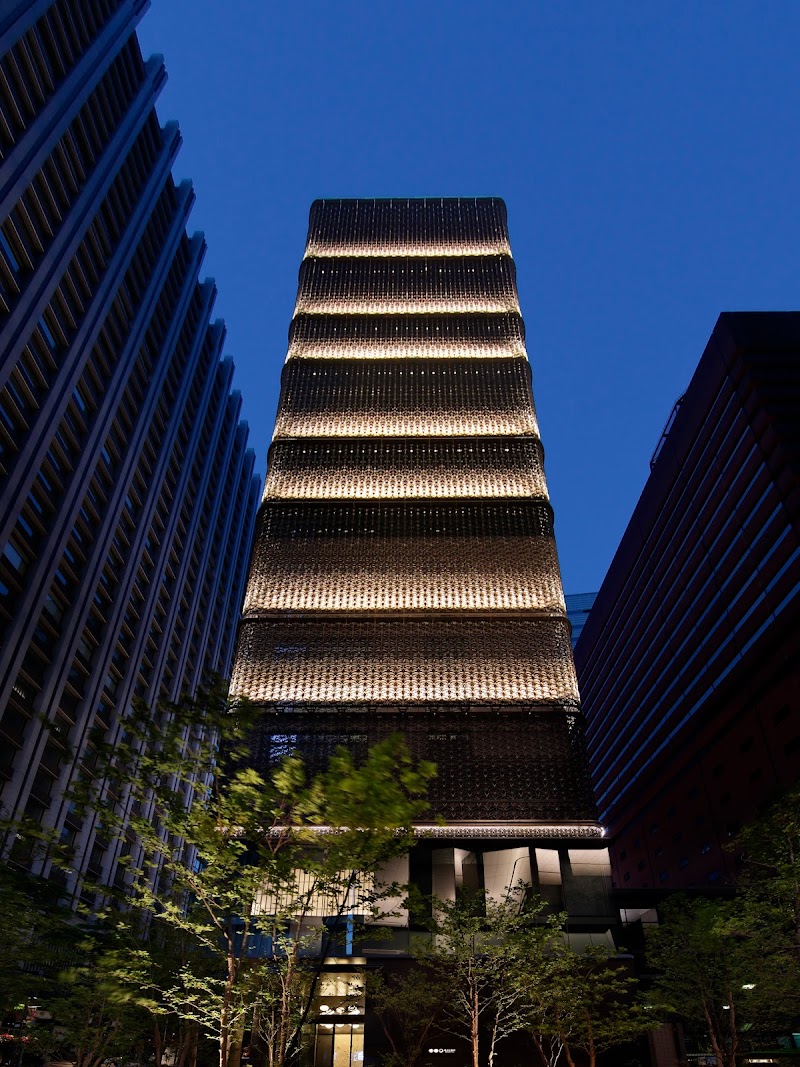
Hoshino Resorts brought the ryokan concept to the heart of Tokyo in a 17-story tower near the Imperial Palace, creating an urban onsen hotel that delivers all the ceremony of a traditional Japanese inn — kimono on arrival, tatami rooms, kaiseki dinner, in-room yukata — within five minutes of the financial district. The thermal spring water pumped from 1,500 meters underground fills the rooftop onsen bath where guests soak above the city's skyline. It is the most genuinely Japanese luxury hotel experience available without leaving Tokyo.

  • Urban ryokan
  • Onsen in Tokyo
  • Japanese ceremony
Check Availability
The Okura Tokyo — Toranomon, Minato
$$$$ Ultra-luxury
★ 9.1 Superb

Toranomon, Minato

The Okura Tokyo

The original 1962 Okura was a modernist masterwork that became a Tokyo institution; its 2019 replacement preserves the original Heritage Building while adding the new Main Building Tower. The combination means guests can drink afternoon tea in the original lobby — all Japanese pattern screens, traditional garden, and lantern light — and sleep in a contemporary tower room with the city's skyline spread below. The culinary program spans Michelin-recognized Japanese, French, and Chinese restaurants, and the concierge team's knowledge of Tokyo's best private dining, art gallery, and hidden temple experiences is encyclopedic.

  • Heritage and modern
  • Multiple restaurants
  • Japanese tradition
Check Availability

Common Questions

Frequently Asked Questions

Is Tokyo a good honeymoon destination?

Yes — Tokyo offers the world's best food scene (more Michelin stars than any other city), extraordinary cultural immersion, impeccable service culture, and hotel properties that deliver genuine luxury. It's ideal for couples who are curious, adventurous with food, and want a honeymoon that's genuinely unlike the beach-and-pool formula.

When is the best time for a Tokyo honeymoon?

March–April for cherry blossom (book hotels 6+ months ahead, prices surge dramatically). October–November for autumn foliage (koyo) — arguably the most beautiful season. May, June, September offer good weather with less crowd pressure. July–August is hot and humid; December to February is cold but atmospheric and clear.

How many days should we spend in Tokyo on our honeymoon?

A minimum of 6–7 nights to properly absorb Tokyo's neighborhoods without feeling rushed. Add 2–3 nights for a ryokan side trip to Hakone or Kyoto. The city reveals itself slowly — first impressions of chaotic complexity give way, by day three, to a deep order and beauty that is distinctly Japanese.

Should we add Kyoto to a Tokyo honeymoon?

Absolutely — Kyoto and Tokyo together form the ideal Japan honeymoon pairing. The shinkansen (bullet train) connects them in 2 hours 15 minutes. A week in Tokyo followed by 3–4 nights in Kyoto (or a ryokan in Hakone en route) covers Japan's two essential characters: the ultra-modern and the ancient.

Do Tokyo hotels offer honeymoon packages?

Yes — most of Tokyo's luxury hotels offer honeymoon packages with room upgrades, Japanese bath rituals, private sake tasting sessions, sushi breakfasts, and tickets to a sumo tournament or kabuki performance. Japan's hospitality culture means these packages are executed with extraordinary attention to detail.

Ready to book Tokyo?

Prices and availability change daily. Lock in the best rate by booking early — most of our top picks offer free cancellation.

View All Tokyo Hotels