Skip to content

Tokyo — Traveler Guide

Best Budget Hotels in Tokyo

Tokyo's reputation as an expensive city is real but overstated — the trick, as with any great metropolis, is knowing where to stay and what to prioritise. Japan's mid-range and budget hotel market is exceptional by global standards: clean, efficient, remarkably well-located, and delivered with a service culture that makes even a ¥6,000-a-night business hotel feel like a considered hospitality product. These are the Tokyo hotels that prove a tight budget and a brilliant city experience are entirely compatible.

best budget hotels tokyo 2026 cheap hotel tokyo shinjuku affordable accommodation tokyo tokyo hotel under 100 dollars
Best Budget Hotels in Tokyo

Quick Answer

The Best Budget Hotels in Tokyo at a Glance

Tokyo's reputation as an expensive city is real but overstated — the trick, as with any great metropolis, is knowing where to stay and what to prioritise. Japan's mid-range and budget hotel market is exceptional by global standards: clean, efficient, remarkably well-located, and delivered with a service culture that makes even a ¥6,000-a-night business hotel feel like a considered hospitality product. These are the Tokyo hotels that prove a tight budget and a brilliant city experience are entirely compatible.

  1. 1
    Dormy Inn Asakusa Asakusa · $ · ★ 9.0
  2. 2
    Toyoko Inn Shinjuku-Kabukicho Shinjuku · $ · ★ 8.3
  3. 3
    Nui Hostel & Bar Lounge Asakusa / Kuramae · $ · ★ 9.1
  4. 4
    APA Hotel Shinjuku Gyoen Shinjuku · $ · ★ 8.2
  5. 5
    Wired Hotel Asakusa Asakusa · $$ · ★ 8.8

5 hotels reviewed · Price range: $, $$ · Last updated March 2026

About This Guide

Tokyo's budget hotel landscape is dominated by two distinctly Japanese product categories: the business hotel and the capsule hotel. Business hotels — chains like Toyoko Inn, Dormy Inn, and APA Hotel — represent Japan's best-value accommodation: small but exceptionally clean rooms, efficient single-occupancy design, reliable WiFi, and locations chosen for Metro proximity. They lack romance but deliver function flawlessly. Capsule hotels, meanwhile, have evolved considerably from their original utilitarian template and now offer pod-style accommodation with private screens, climate control, and remarkably sophisticated common areas.

For international travellers seeking a middle ground between stripped-back business hotels and genuine boutique character, Tokyo's design hostel scene is increasingly compelling. Properties like the Nui Hostel in Asakusa and Wise Owl Hostels in several locations offer private rooms in thoughtfully designed buildings at prices that significantly undercut international chain hotels. The social infrastructure of these hostels — bars, communal dining, organised neighbourhood walks — adds value that purely private hotel stays can't replicate.

Location matters enormously in budget Tokyo. The difference between a ¥7,000 hotel in Shinjuku and a ¥7,000 hotel in a distant outer suburb is not the price — it's the two hours a day you spend on trains getting to and from your accommodation. For budget travellers, the best investment is consistently paying a slight premium for a well-located room rather than saving money on accommodation but spending it on transport. Asakusa, Ueno, Akihabara, Shibuya, and Shinjuku are the highest-value neighbourhoods for budget travellers.

Eating on a budget in Tokyo is paradoxically easy in a city famous for expensive restaurants — the city's vast ramen, soba, izakaya, and convenience store food cultures provide extraordinary quality at genuinely low prices. A bowl of excellent ramen costs ¥800–¥1,200; a standing sushi bar near Tsukiji serves high-quality nigiri for ¥1,500–¥2,000. Combining a modest hotel with Tokyo's street-level food culture produces a trip that feels rich in experience even when costs are being rigorously managed.
Insider Tips

  • 1

    The IC card (Suica or Pasmo) is the single most important budget travel tool in Tokyo — buy one at the airport and it eliminates the need for cash on all public transport.

  • 2

    Standing sushi bars near Tsukiji Outer Market offer some of the city's finest sushi at a fraction of sit-down restaurant prices — arrive before 9am for the best selection.

  • 3

    Konbini (convenience store) food in Japan is genuinely excellent — 7-Eleven, FamilyMart, and Lawson all sell high-quality prepared meals for ¥400–¥600 that beat most tourist-district restaurants.

  • 4

    Free attractions in Tokyo are numerous: Meiji Shrine, the Imperial Palace East Gardens, Shinjuku Gyoen (small entry fee), the Hamarikyu Gardens, and the TeamLab teamLab Borderless universe are all spectacular.

  • 5

    Book budget hotels well in advance for cherry blossom season (late March/April) and Golden Week (late April/early May) — rates double and availability disappears months ahead.

Our Picks

Best Budget Hotels in Tokyo

5 hotels · Updated February 2026

Dormy Inn Asakusa — Asakusa
$ Budget-friendly
★ 9.0

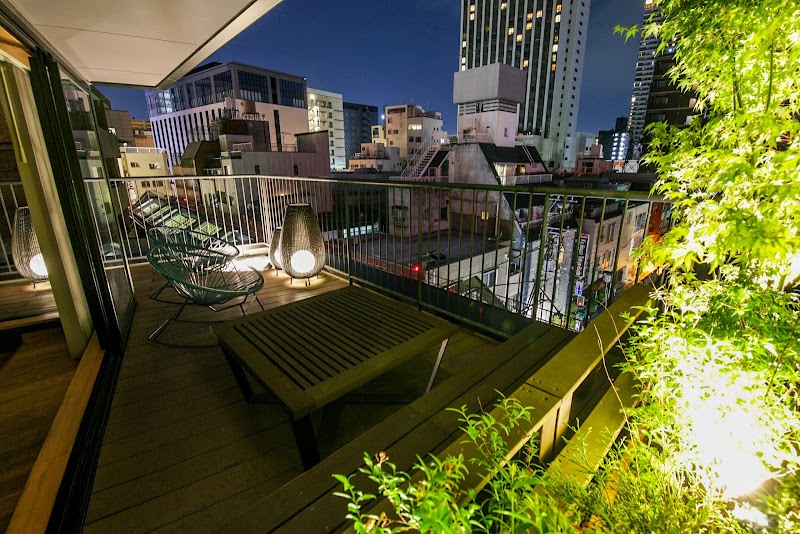
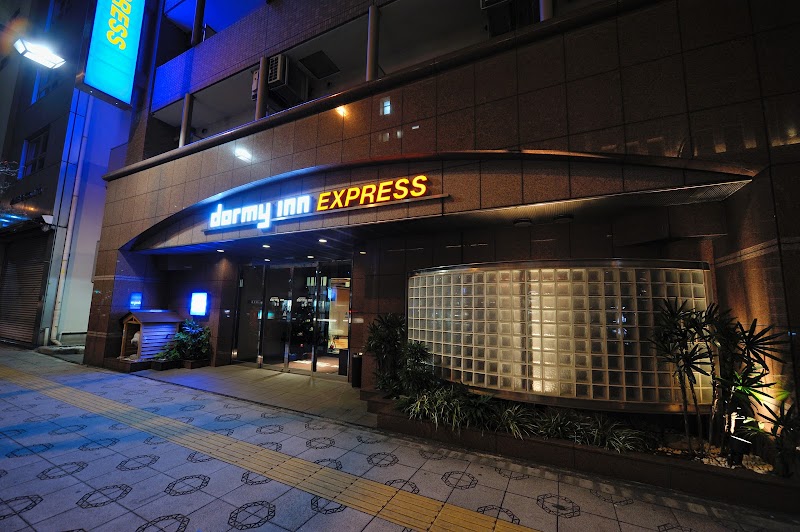
Dormy Inn is Japan's finest business hotel chain, and the Asakusa property exemplifies why: a rooftop natural hot spring (onsen) in the middle of Tokyo, excellent Japanese breakfast, a late-night ramen bar, and a neighbourhood location that puts you within walking distance of Senso-ji Temple and the Sumida River. At its price point, nothing in Tokyo offers better value or a more authentic Japanese hospitality experience.

  • onsen
  • ramen bar
  • authentic neighbourhood
Check Availability
Toyoko Inn Shinjuku-Kabukicho — Shinjuku
$ Budget-friendly
★ 8.3

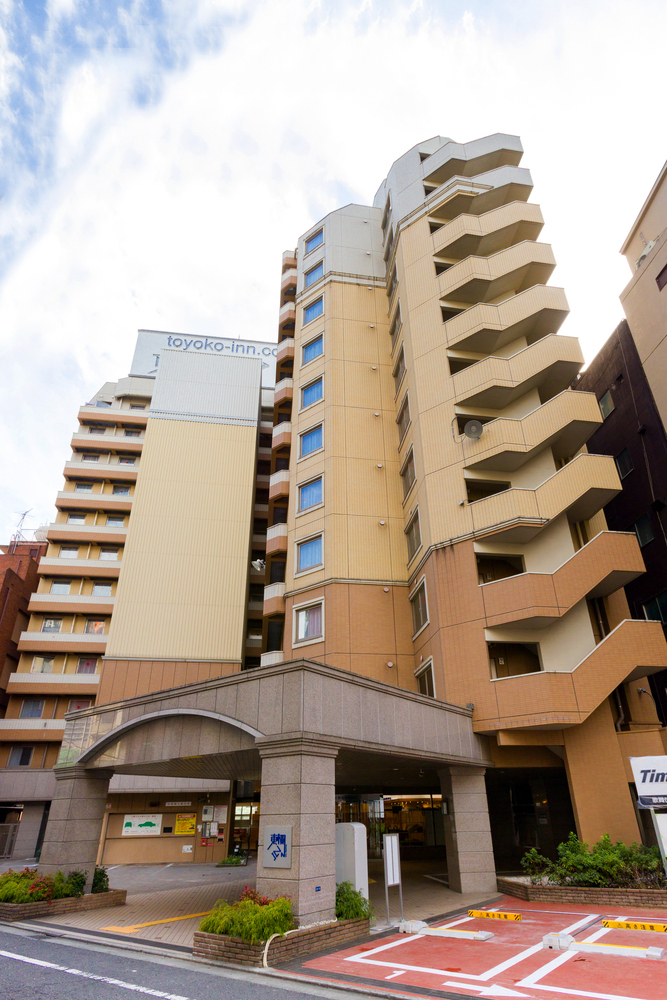
Toyoko Inn is Japan's most reliable budget hotel chain, and the Shinjuku-Kabukicho location offers the chain's characteristic clean, compact rooms with an unbeatable Shinjuku address. The free breakfast (rice, miso soup, pickles) is a genuine morning pleasure, the rooms are small but spotless, and the transport access from Shinjuku Station puts the entire city within straightforward reach. It's not romantic, but it's excellent.

  • best value Shinjuku
  • free breakfast
  • great location
Check Availability
Nui Hostel & Bar Lounge — Asakusa / Kuramae
$ Budget-friendly
★ 9.1

Asakusa / Kuramae

Nui Hostel & Bar Lounge

Nui is the hostel that helped Kuramae become one of Tokyo's most exciting emerging neighbourhoods — a converted warehouse with private rooms, an excellent bar lounge, and a community ethos that makes Tokyo feel accessible rather than overwhelming. Private rooms are competitively priced and well-designed; the bar programme is genuinely good; and the surrounding streets are lined with independent coffee shops, craft workshops, and neighbourhood restaurants that tourists haven't yet discovered.

  • design hostel
  • neighbourhood discovery
  • bar culture
Check Availability
APA Hotel Shinjuku Gyoen — Shinjuku
$ Budget-friendly
★ 8.2

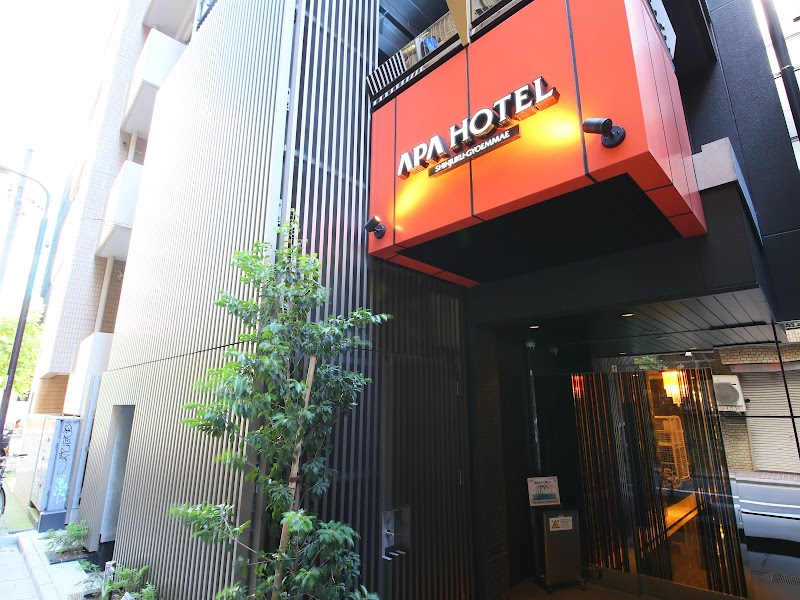
APA Hotel's Shinjuku Gyoen property is one of the chain's better offerings — a location near the garden provides a slight buffer from the area's most intense tourist density while keeping excellent transport access. The rooms are classic APA compact, but the bathrooms are notably good, the wifi is fast, and the chain's famously efficient check-in process is a genuine pleasure after a long-haul flight.

  • budget Shinjuku
  • garden location
  • efficient
Check Availability
Wired Hotel Asakusa — Asakusa
$$ Mid-range
★ 8.8

Wired Hotel Asakusa is Tokyo's most design-conscious mid-range option — a property that takes the traditional Asakusa neighbourhood as its aesthetic starting point and produces something contemporary without being disconnected from its context. The rooms are unusually thoughtful for the price point, the café-bar on the ground floor is a neighbourhood meeting point, and the location on the Kaminarimon side of the district is ideal for temple access and traditional craft shopping.

  • design value
  • Asakusa temple access
  • neighbourhood feel
Check Availability

Common Questions

Frequently Asked Questions

What is the cheapest area to stay in Tokyo?

Asakusa and Ueno typically have the most affordable hotel rates in central Tokyo. Akihabara and the areas east of Tokyo Station are also good value. Shinjuku and Shibuya are more expensive but the transport savings often make them worthwhile.

Are capsule hotels comfortable?

Modern capsule hotels are significantly more comfortable than their reputation suggests. High-end capsule properties offer private pods with personal climate control, power outlets, and entertainment screens — think premium airline seat rather than a locker. They're not for the claustrophobic but otherwise surprisingly pleasant.

What is a business hotel in Japan?

Business hotels are Japan's dominant budget accommodation category: compact, efficiently designed hotels with small but immaculately clean rooms. Chains like Toyoko Inn, APA, and Dormy Inn represent excellent value and are found in prime locations throughout Tokyo.

Can you eat cheaply in Tokyo?

Yes — ramen, soba, conveyor-belt sushi, gyoza, and izakaya set menus all deliver excellent food for ¥500–¥1,500. Convenience stores (konbini) sell high-quality prepared foods for very low prices. You can eat brilliantly in Tokyo for ¥2,000–¥3,000 per day.

What is the minimum budget per day for Tokyo?

A comfortable budget is ¥8,000–¥15,000 per day all-in (roughly $55–$100), including a budget hotel, transport, food, and one paid attraction. Tokyo is manageable on this budget if you prioritise strategically.

Ready to book Tokyo?

Prices and availability change daily. Lock in the best rate by booking early — most of our top picks offer free cancellation.

View All Tokyo Hotels