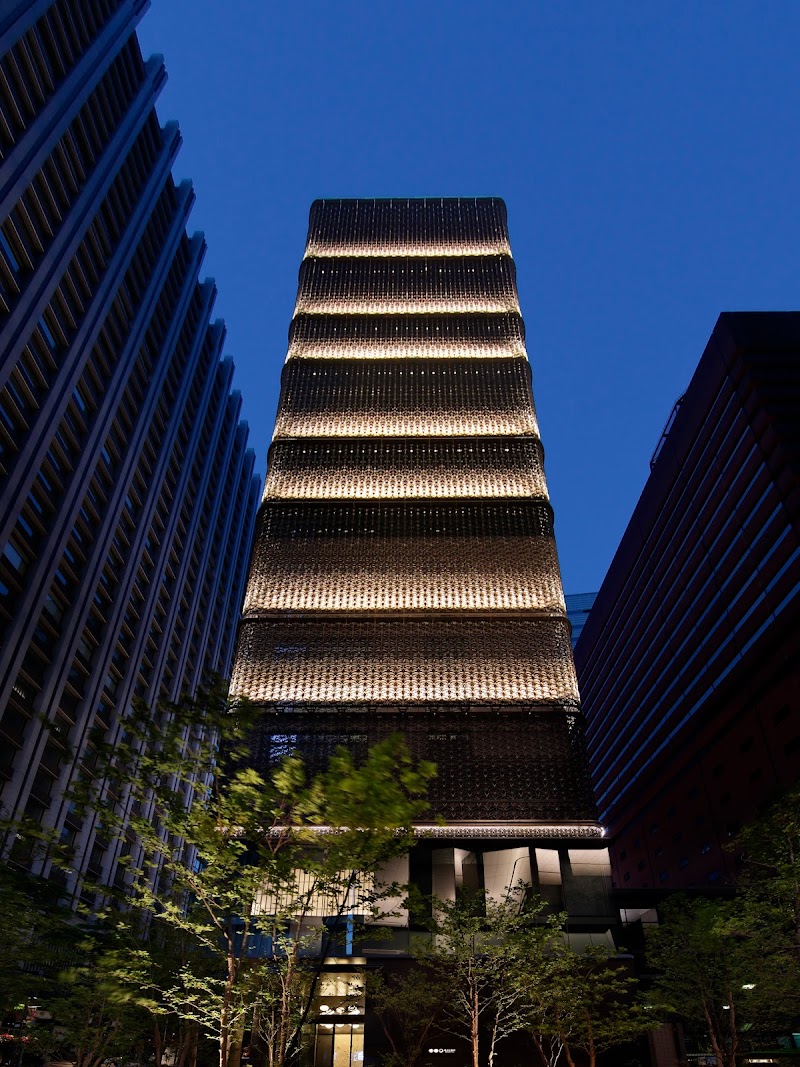
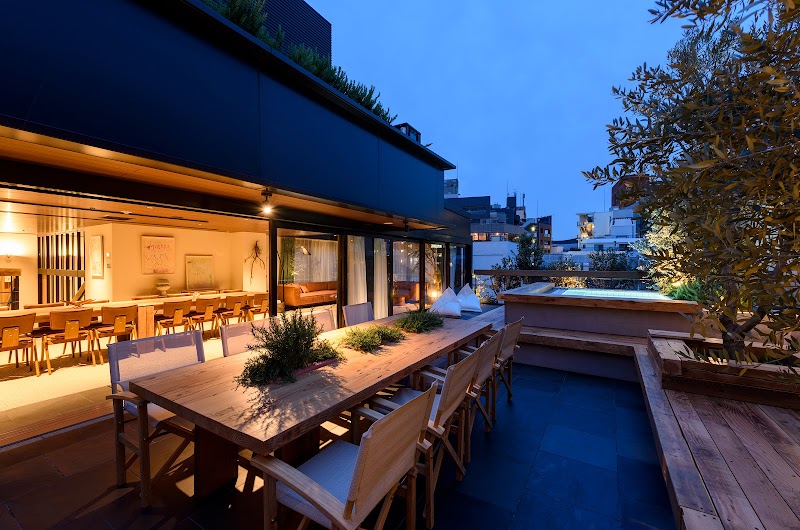
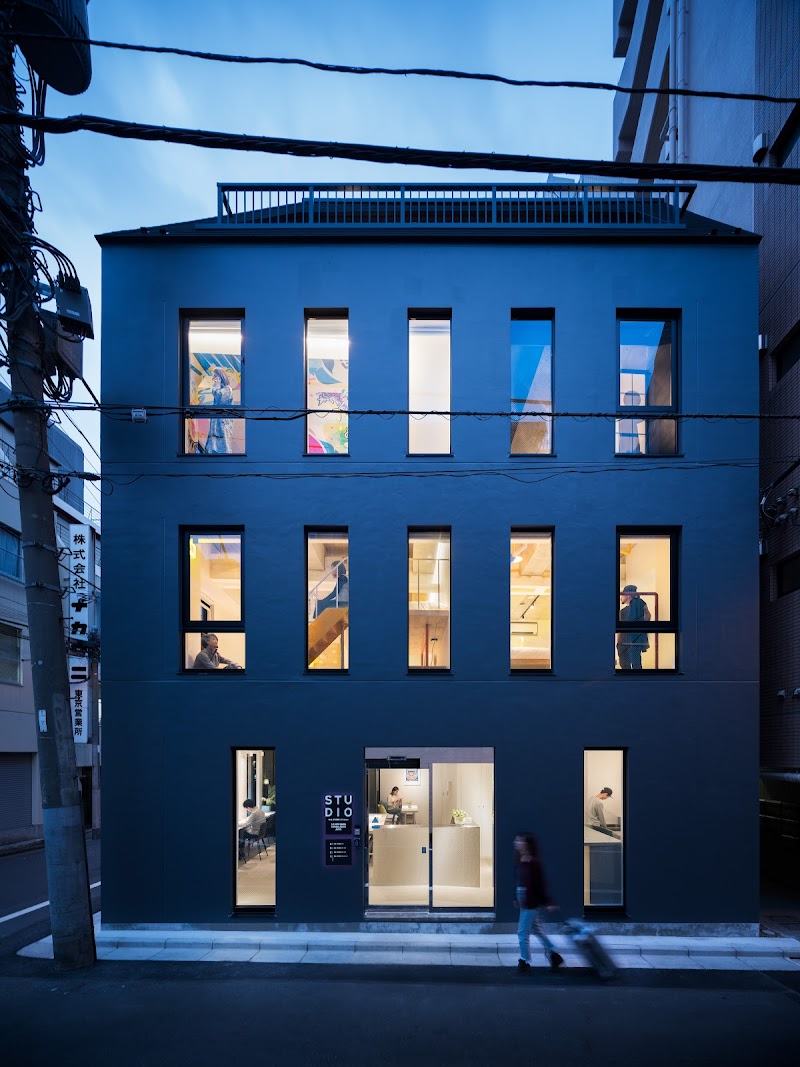
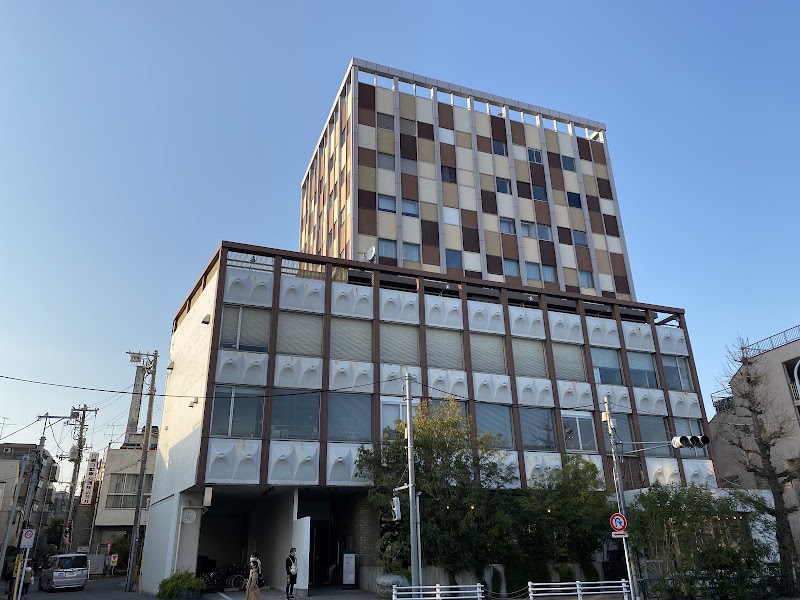
Tokyo's boutique hotel scene has developed in two distinct waves. The first, in the late 1990s and 2000s, produced the original generation of design-led small hotels that challenged the dominance of large international chains — properties like the Claska in Meguro and the Granbell in Shibuya that demonstrated Japanese design sensibility could create hotel experiences the international hotel industry hadn't yet imagined. The second wave, which has accelerated since 2015, has produced increasingly sophisticated properties that draw on Japanese craft traditions, neighbourhood character, and the global design conversation simultaneously.
The aesthetic vocabulary of Tokyo's boutique hotels is unlike anything in Europe or America. Wabi-sabi — the Japanese appreciation of imperfection and impermanence — inflects even the most contemporary properties with a thoughtfulness about materials, aging, and the relationship between objects and space. Natural materials like Japanese cypress (hinoki), bamboo, and stone appear in contexts that feel neither traditional nor modern but timeless. And the relationship between the hotel and its surrounding neighbourhood is invariably more considered than in Western boutique counterparts — these hotels are readings of their context rather than impositions on it.
Neighbourhood selection matters enormously in the Tokyo boutique hotel market. Properties in Yanaka — the city's best-preserved traditional neighbourhood — offer a window into Tokyo's historical fabric that no tourist attraction can replicate. Hotels in Daikanyama and Nakameguro put you at the centre of the city's independent creative class culture. Those in Asakusa connect you to the craft and artisan traditions of the old shitamachi ('low city') district. Each neighbourhood has its own distinctive character, and the best boutique hotels are inseparable from their surroundings.
Service in Tokyo's boutique hotels reflects Japan's broader hospitality ethos but in a more personal register. With fewer rooms than large hotels, boutique properties in Tokyo often achieve a level of individual attention that makes every guest feel specifically known rather than categorised. Staff frequently speak good English alongside Japanese, and the best properties compile detailed preference profiles that mean your second visit feels as though no time has passed since your last.