Skip to content

Tokyo — Traveler Guide

Best Luxury Hotels in Tokyo

Tokyo's luxury hotel landscape is among the world's most accomplished and most quietly competitive — a market where the world's finest hotel brands have deployed their best product, knowing that Japan's service culture sets an extraordinarily high baseline. The city's top properties compete on architecture, cuisine, art collections, and a service philosophy rooted in omotenashi — the Japanese concept of wholehearted hospitality that anticipates needs before they're expressed. Staying in Tokyo's finest hotels is to experience luxury as a form of considered care.

best luxury hotels tokyo 2026 five star hotel tokyo aman tokyo hotel review park hyatt tokyo vs mandarin oriental
Best Luxury Hotels in Tokyo

Quick Answer

The Best Luxury Hotels in Tokyo at a Glance

Tokyo's luxury hotel landscape is among the world's most accomplished and most quietly competitive — a market where the world's finest hotel brands have deployed their best product, knowing that Japan's service culture sets an extraordinarily high baseline. The city's top properties compete on architecture, cuisine, art collections, and a service philosophy rooted in omotenashi — the Japanese concept of wholehearted hospitality that anticipates needs before they're expressed. Staying in Tokyo's finest hotels is to experience luxury as a form of considered care.

  1. 1
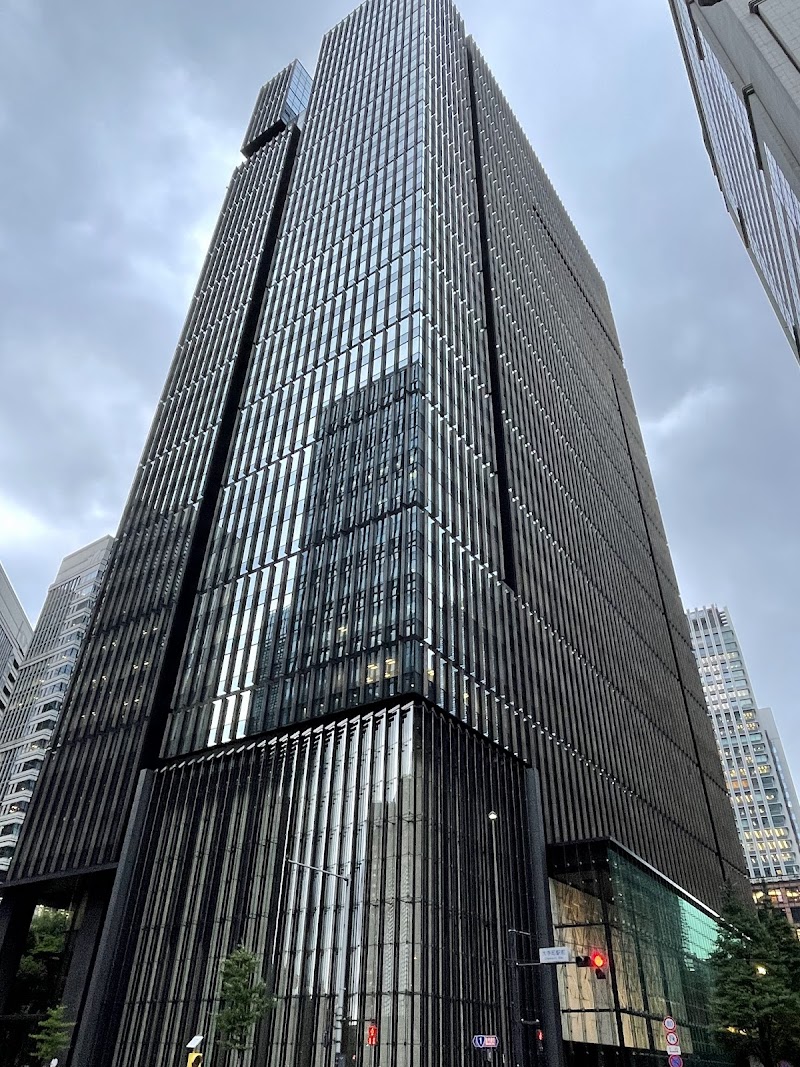
    Aman Tokyo Otemachi · $$$$ · ★ 9.6
  2. 2
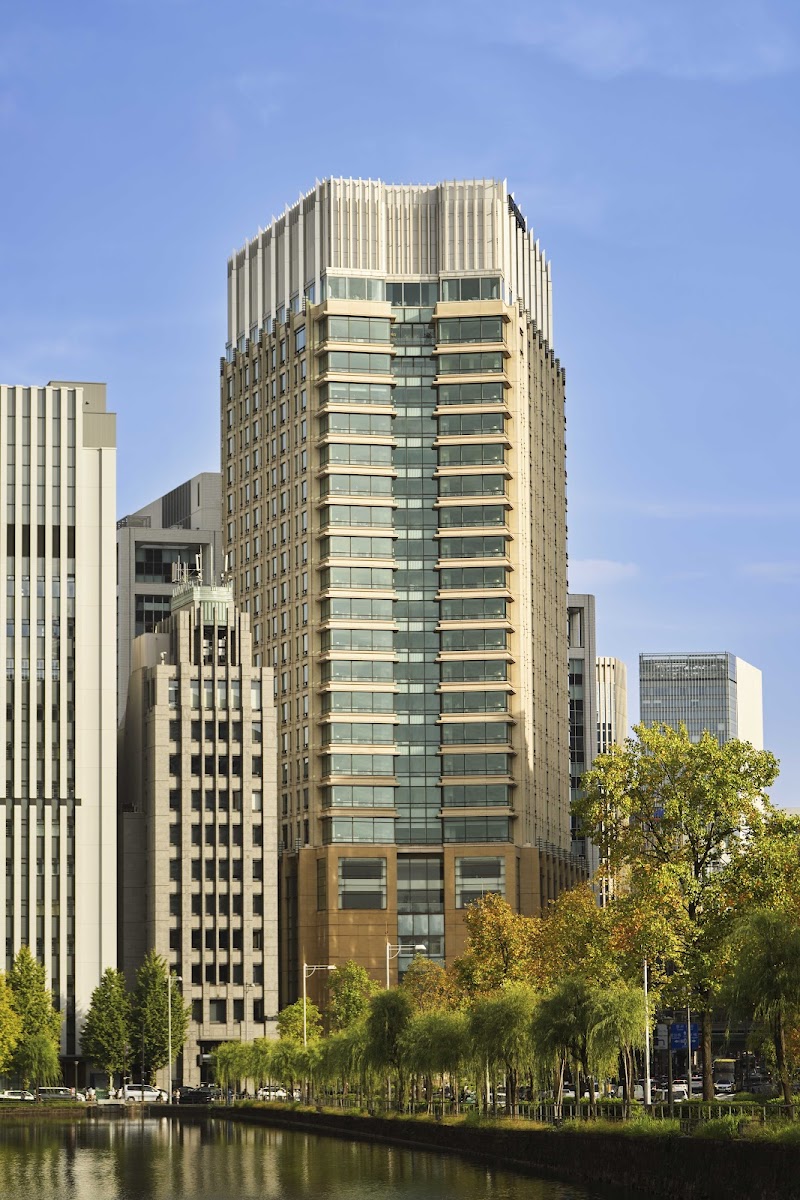
    Mandarin Oriental Tokyo Nihonbashi · $$$$ · ★ 9.4
  3. 3
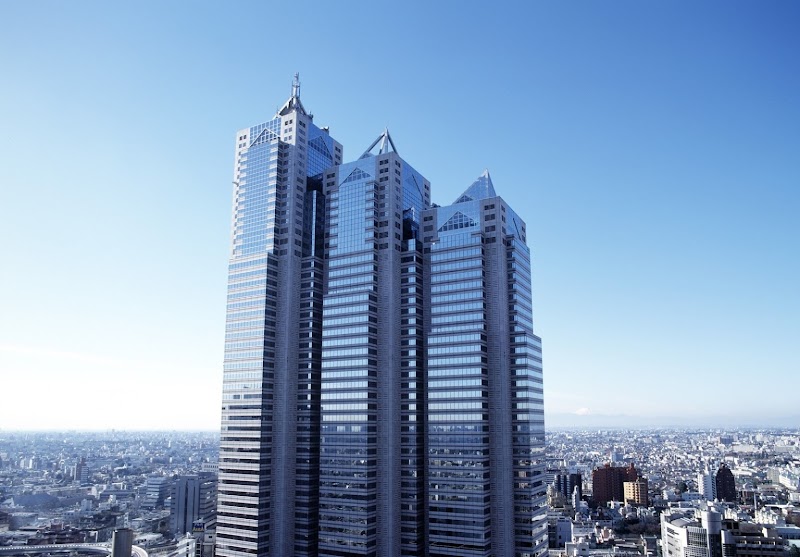
    Park Hyatt Tokyo Nishi-Shinjuku · $$$$ · ★ 9.3
  4. 4
    The Peninsula Tokyo Hibiya · $$$$ · ★ 9.3
  5. 5
    Four Seasons Hotel Tokyo at Marunouchi Marunouchi · $$$$ · ★ 9.2

5 hotels reviewed · Price range: $$$$ · Last updated March 2026

About This Guide

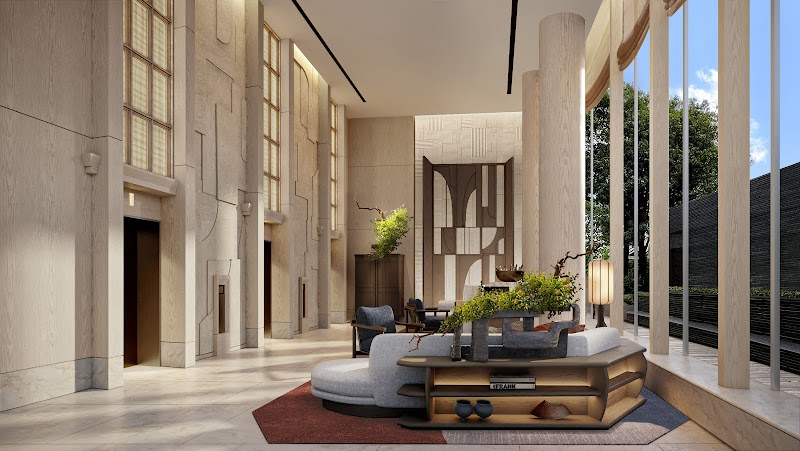
At the very top of Tokyo's hotel hierarchy sits a cohort of properties that have shaped the global conversation about what luxury hotels should be. The Aman Tokyo, opened in 2014, redefined the city's luxury vocabulary with its soaring entrance lobby inspired by traditional Japanese architecture and its deliberate, almost monastic sense of calm amid the city's density. The Mandarin Oriental Tokyo has maintained impeccable standards since its opening in the Nihonbashi Mitsui Tower, its restaurants earning and retaining Michelin recognition. And the Park Hyatt Tokyo — ageless since 1994 and immortalised by Lost in Translation — continues to deliver views and service that put it in perpetual contention for the city's best hotel.

Japanese luxury hotel design operates from a fundamentally different starting point than its European counterparts. Where Paris and London luxury hotels often emphasise historical splendour, gilded surfaces, and aristocratic inheritance, Tokyo's finest properties derive their sense of luxury from precision, space, and simplicity. Clean lines, natural materials — Japanese timber, stone, washi paper — and the disciplined removal of everything unnecessary create rooms that feel wealthy in a philosophical rather than decorative sense. You're paying for what's been left out as much as what's been put in.

Cuisine is a central pillar of Tokyo's luxury hotel offer, and it should be, given that the city holds more Michelin stars than any other on earth. The best hotel restaurants in Tokyo don't merely supplement the guest experience — they're standalone culinary destinations that attract Japan's most discerning diners. The Mandarin Oriental's Sense restaurant, the Park Hyatt's Kozue, and the Aman Tokyo's Azure 45 all represent cooking of genuine international significance.

Service culture in Tokyo's luxury hotels is, simply put, the world's finest. The concept of omotenashi — anticipatory hospitality without expectation of reward — creates service interactions that feel fundamentally different from Western luxury hotel equivalents. Staff remember preferences, anticipate needs, and handle every request with the same unflappable graciousness whether you're asking for a newspaper or dealing with a medical emergency at 3am. It is a hotel culture worth experiencing as an end in itself.
Insider Tips

  • 1

    Book the Aman Tokyo at least three months ahead for peak season (cherry blossom in late March/April is the most competitive period).

  • 2

    The Park Hyatt's New York Bar is worth visiting for a drink even if you're staying elsewhere — it opens to the public but guests get priority seating.

  • 3

    Most Tokyo luxury hotels offer private airport transfers in high-end vehicles; worth pre-booking to arrive with the right first impression of your stay.

  • 4

    Ask your hotel for an introduction to its preferred kaiseki restaurant — the formal multi-course Japanese cuisine experience is best navigated with a knowledgeable local recommendation.

  • 5

    The Aman Tokyo's spa offers traditional Japanese onsen bathing experiences and forest bathing programmes that are among the city's most distinctive wellness options.

Our Picks

Best Luxury Hotels in Tokyo

5 hotels · Updated February 2026

Aman Tokyo — Otemachi
$$$$ Ultra-luxury
★ 9.6

Otemachi

Aman Tokyo

The Aman Tokyo occupies the upper six floors of the Otemachi Tower and announces itself with an entrance lobby of staggering architectural ambition: a 33-metre ceiling that references traditional Japanese architecture, framing views over the Imperial Palace gardens to Mount Fuji on clear days. The 84 rooms and suites feel like personal temples — handcrafted washi walls, deep soaking tubs, and a silence that makes Tokyo's intensity feel geographically distant. It is, by any measure, the city's definitive luxury hotel.

  • Tokyo's best hotel
  • Japanese design
  • Imperial Palace views
Check Availability
Mandarin Oriental Tokyo — Nihonbashi
$$$$ Ultra-luxury
★ 9.4

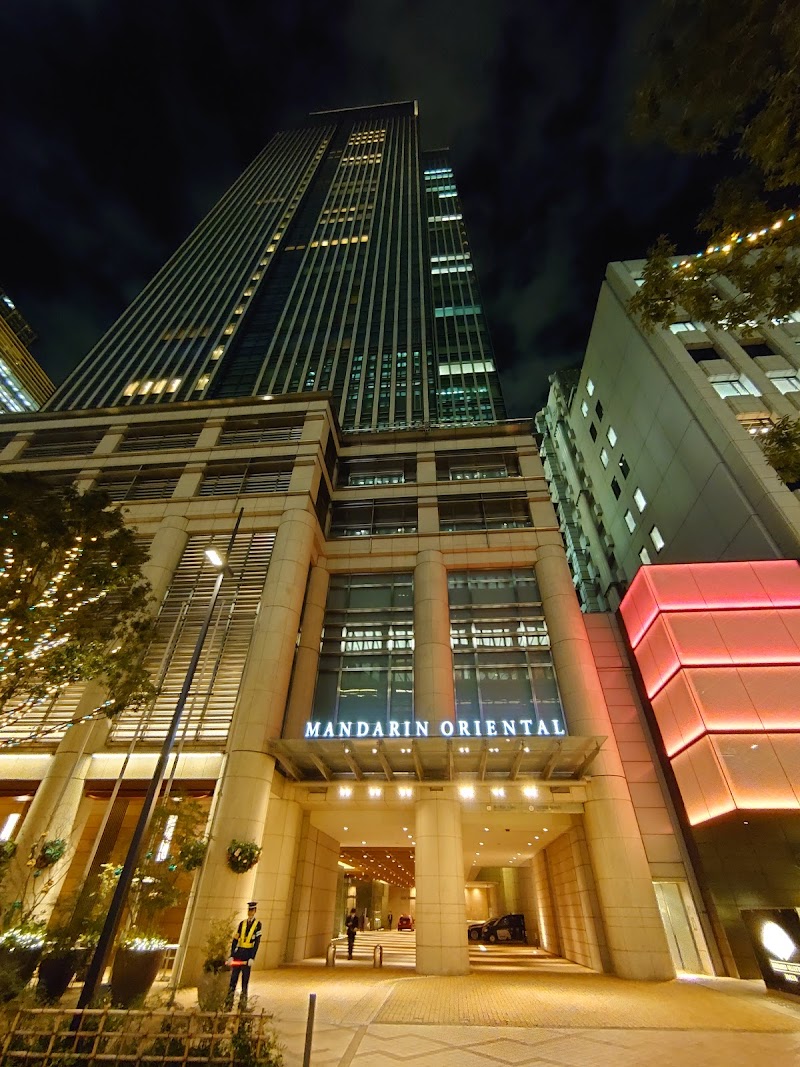
Spread across the top nine floors of the Nihonbashi Mitsui Tower, the Mandarin Oriental Tokyo pairs extraordinary 360-degree city views with cooking that justifies Michelin recognition. The Sense restaurant's refined Chinese cuisine, the spa's city-view treatment rooms, and rooms where the Tokyo skyline appears at eye level through floor-to-ceiling glass create an experience that is simultaneously intimate and cosmically scaled.

  • skyline views
  • Michelin dining
  • Sky Spa
Check Availability
Park Hyatt Tokyo — Nishi-Shinjuku
$$$$ Ultra-luxury
★ 9.3

Nishi-Shinjuku

Park Hyatt Tokyo

Three decades after its opening, the Park Hyatt Tokyo remains Japan's most romantically charged hotel — in part because of Sofia Coppola's film, in larger part because the property entirely deserves the myth. The New York Bar at 52 floors, the Kozue Japanese restaurant, and the views that stretch from the Shinjuku skyline to distant Mount Fuji maintain a standard of excellence that generational loyalty has built and contemporary investment has preserved.

  • iconic hotel
  • New York Bar
  • classic Tokyo luxury
Check Availability
The Peninsula Tokyo — Hibiya
$$$$ Ultra-luxury
★ 9.3

The Peninsula brand's Tokyo property occupies a position of extraordinary symbolic power: directly facing the Imperial Palace moat, at the intersection of Hibiya and Marunouchi. The rooms are among Tokyo's most generously sized, the technology integration is seamless and thoughtful, and the afternoon tea in the Lobby lounge — looking directly at the Imperial Palace grounds — is one of the city's most civilised experiences.

  • Imperial Palace views
  • afternoon tea
  • technology
Check Availability
Four Seasons Hotel Tokyo at Marunouchi — Marunouchi
$$$$ Ultra-luxury
★ 9.2

The smallest Four Seasons property globally — just 57 rooms occupying eight floors of a Pacific Century Place tower — the Marunouchi edition is a boutique luxury hotel of exceptional quality. The rooms are among Tokyo's most beautifully appointed, the restaurant is a consistently excellent destination, and the hotel's positioning inside Marunouchi's business and cultural district makes it equally appropriate for business and leisure stays.

  • intimate scale
  • Marunouchi location
  • Four Seasons quality
Check Availability

Common Questions

Frequently Asked Questions

What is the best luxury hotel in Tokyo?

The Aman Tokyo is consistently ranked Tokyo's finest hotel for design and service. The Mandarin Oriental excels in cuisine and views. The Park Hyatt remains iconic. The best choice depends on whether you prioritise architectural experience, food, or views.

How expensive are luxury hotels in Tokyo?

Expect ¥80,000–¥250,000 per night (roughly $550–$1,700) at the top properties. Tokyo's luxury hotels are expensive by global standards, though the service quality is commensurately exceptional.

What is omotenashi and how does it affect Tokyo luxury hotels?

Omotenashi is the Japanese concept of wholehearted, selfless hospitality — anticipating guest needs and meeting them before being asked. It creates a service culture that feels fundamentally different from Western luxury hotels and is Tokyo's greatest hospitality advantage.

Which Tokyo luxury hotels have Michelin-starred restaurants?

The Mandarin Oriental Tokyo's Sense restaurant has held Michelin stars. The Park Hyatt's Kozue and the Aman's Azure 45 are also highly regarded. Tokyo has more Michelin-starred restaurants than any other city, and hotel kitchens compete vigorously.

Which area has the most luxury hotels in Tokyo?

Marunouchi and Nihonbashi (near Tokyo Station) have the highest concentration of international luxury hotels. Shinjuku has the Park Hyatt. Akasaka and Roppongi also have strong luxury options in more residential neighbourhoods.

Ready to book Tokyo?

Prices and availability change daily. Lock in the best rate by booking early — most of our top picks offer free cancellation.

View All Tokyo Hotels