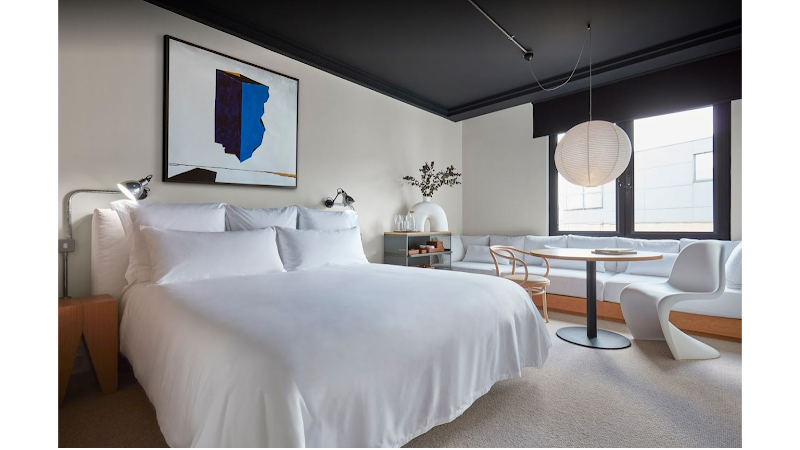
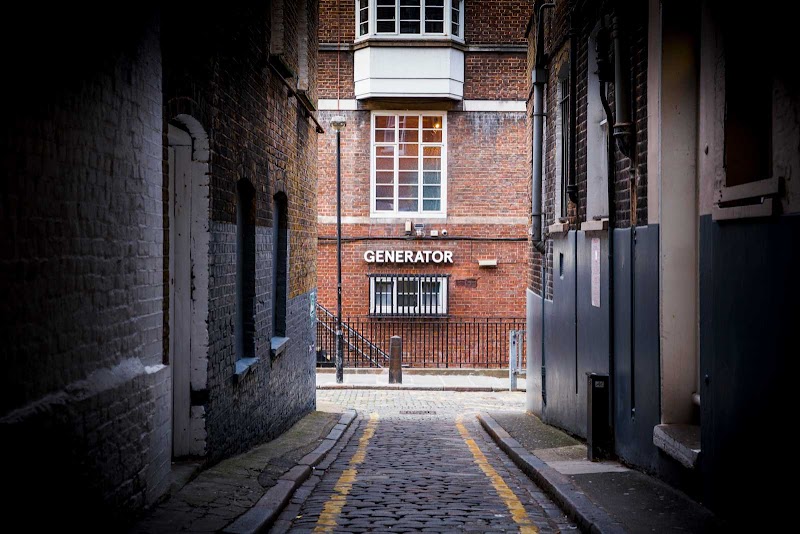
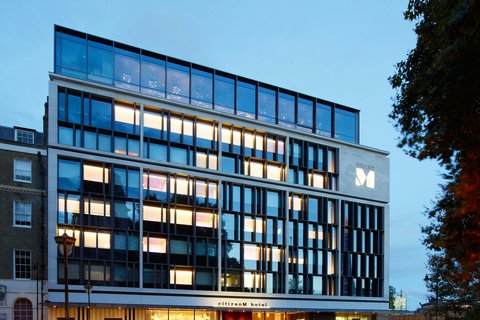
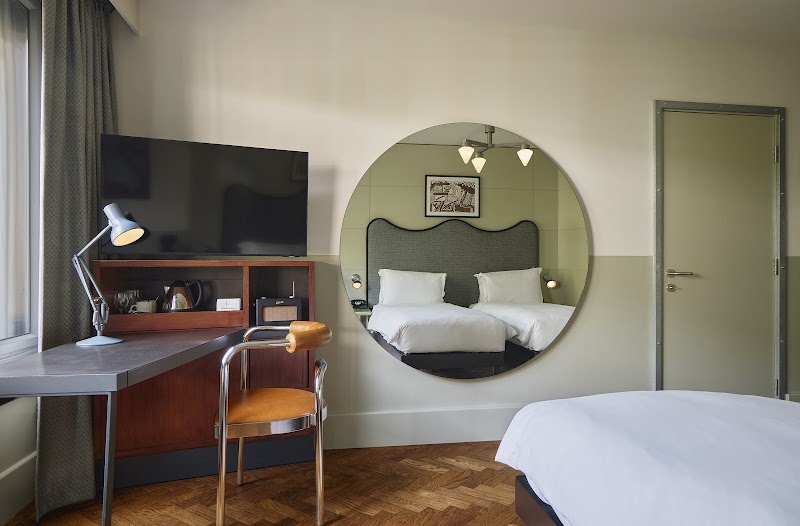
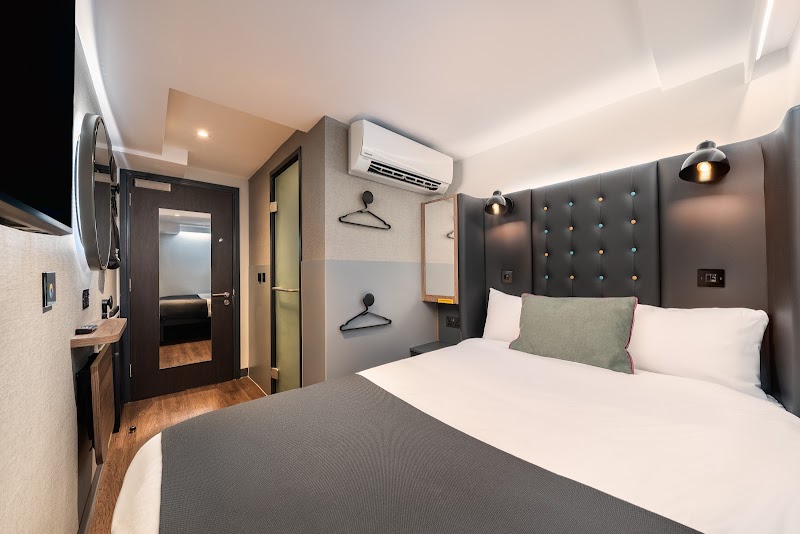
Solo travel in London works best when the hotel functions as a social node rather than merely a private retreat. The properties that understand this — the Hoxton group, Generator, citizenM, the Ace Hotel — design their common spaces with the specific intention of creating accidental sociability: communal tables in the restaurant, bars that fill with solo drinkers who end up in conversation, work spaces that become improvised meeting rooms for like-minded travellers.
The neighbourhoods that best serve solo travellers are those with strong street-level culture and accessible social spaces. Shoreditch and Hackney offer the East London creative scene at its most accessible — gallery openings, record shop listening sessions, and a bar culture that doesn't require company to be enjoyable. Soho remains London's most socially permeable neighbourhood for solo visitors, with Dean Street, Frith Street, and Old Compton Street all offering bars and restaurants where being alone is entirely unremarkable.
For solo women travellers specifically, safety is a legitimate consideration and one that London handles well. The city's central and inner neighbourhoods are generally safe at night, the 24-hour public transport network reduces vulnerability at late hours, and the prevalence of licensed premises with regulated entry means that most evening venues maintain basic standards of safety. Hotels with 24-hour front desks (all major brands, most boutique properties) add an additional layer of security.
Pod hotels have transformed the budget solo travel calculation. citizenM's mood-lit capsule-hotel-adjacent rooms provide a genuinely comfortable private space at budget-friendly rates; the YHA London Central (Oxford Street) offers excellent private rooms with communal facilities; the Generator London (Bloomsbury) has become one of the most social budget hotels in Europe. For solo travellers who want to spend their money on experiences rather than accommodation, these options represent the optimal calculation.