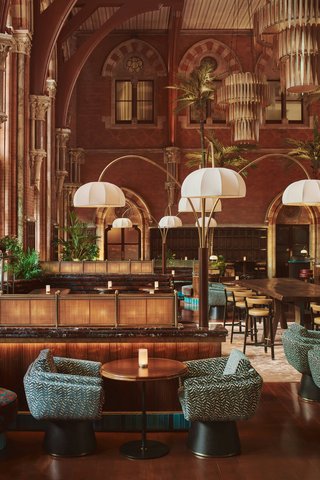
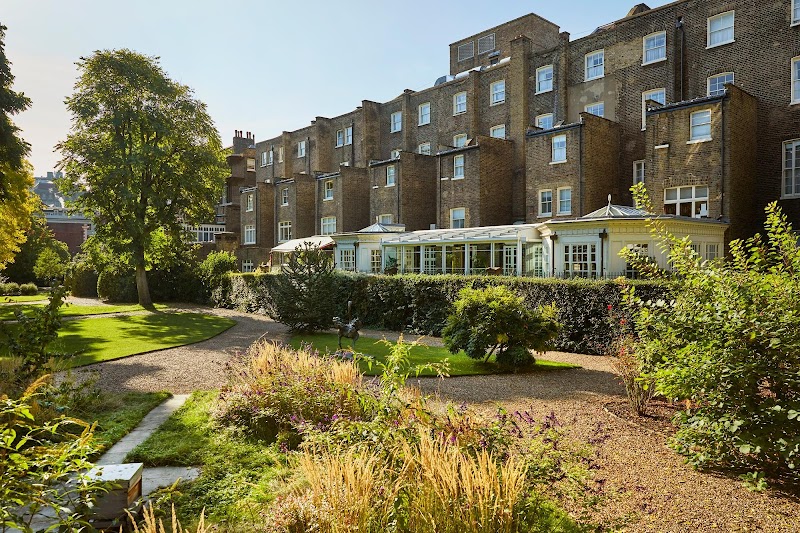
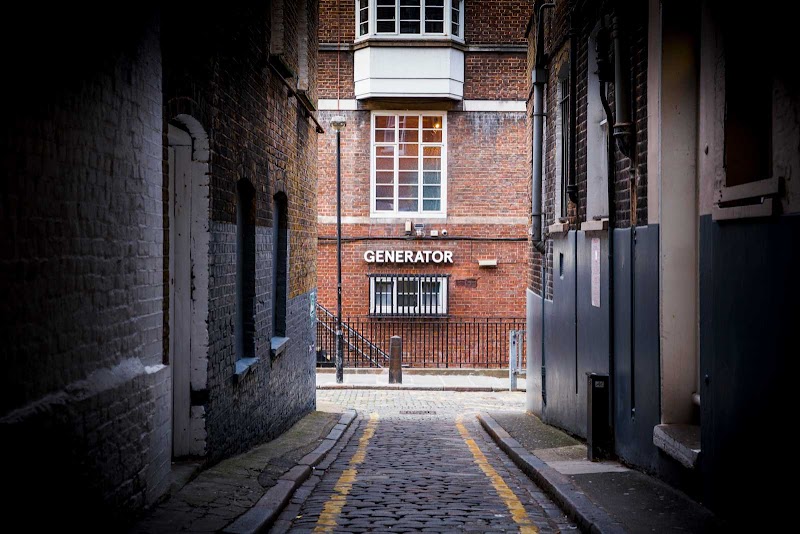
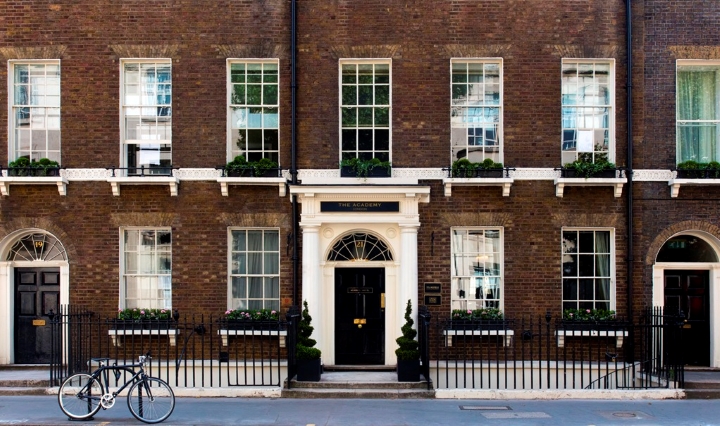
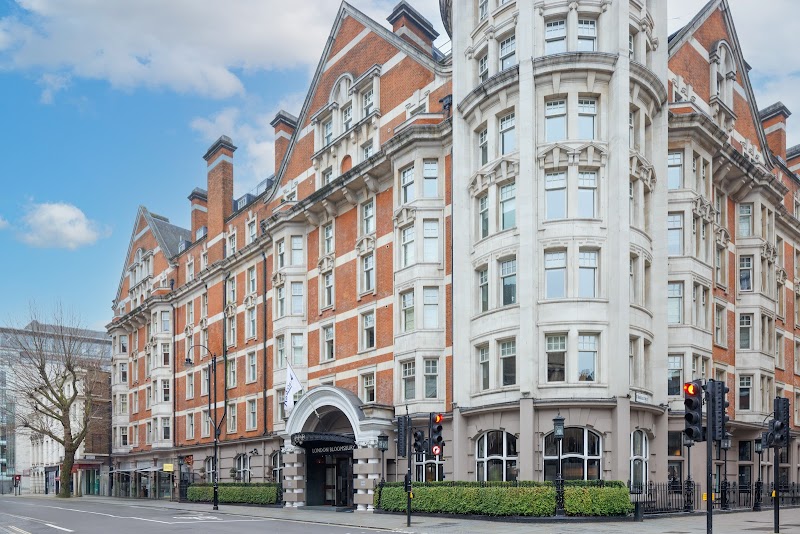
Bloomsbury's hotel landscape is more varied than its literary reputation suggests. At the luxury end, the Rosewood London (on High Holborn, technically Holborn but Bloomsbury-adjacent) and the Renaissance St Pancras (in the Gothic Revival masterpiece of the old Midland Grand Hotel) represent the neighbourhood's grandest accommodation options. More characteristically Bloomsbury are the four-star townhouse hotels on the garden squares — the Montague on the Gardens, the Academy, and the side-street properties that open onto Russell Square.
The British Museum is Bloomsbury's anchor institution and arguably the finest museum in the world — certainly the largest, with 8 million objects including the Elgin Marbles, the Rosetta Stone, and the Lindow Man. The Great Court, Sir Norman Foster's glass-roofed addition, is one of the finest public spaces in London. Hotels within walking distance (which is everything in Bloomsbury) have the advantage of arriving at opening time before the tourist rush.
For literary tourism, Bloomsbury is London at its most concentrated: the house at 46 Gordon Square where Vanessa Bell and Duncan Grant painted; the London Review Bookshop on Bury Place (the finest independent bookshop in London); the Charles Dickens Museum on Doughty Street; the Cartoon Museum on Little Russell Street. A walk through Bloomsbury's squares — Russell Square, Tavistock Square, Bedford Square — is a walk through the history of English letters.
Bloomsbury's practical advantages are considerable: King's Cross and St Pancras stations (for Eurostar connections and all northern UK rail lines) are 15 minutes' walk; the British Library (free reading rooms, excellent temporary exhibitions) is adjacent to St Pancras; the West End is 15 minutes on foot via Shaftesbury Avenue. The area's restaurant scene has improved significantly over the past decade, with Roka on Charlotte Street and Dabbous on Whitfield Street leading a general upgrade.