Mitte — literally 'middle' — is Berlin's historic centre and its most contested piece of geography. The neighbourhood occupies the eastern bank of the Spree, stretching from the Brandenburg Gate in the west to Alexanderplatz and the TV Tower in the east, from Oranienburger Strasse's gallery district in the north to the Spree embankment in the south. It was the heart of imperial Berlin, then the heart of Nazi Berlin, then the heart of communist East Berlin, and now the heart of unified democratic Berlin — layers of history visible in every block.
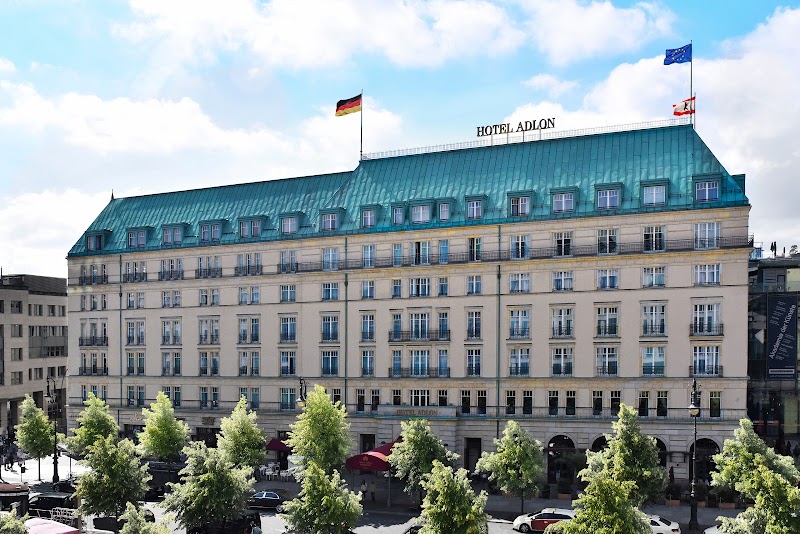
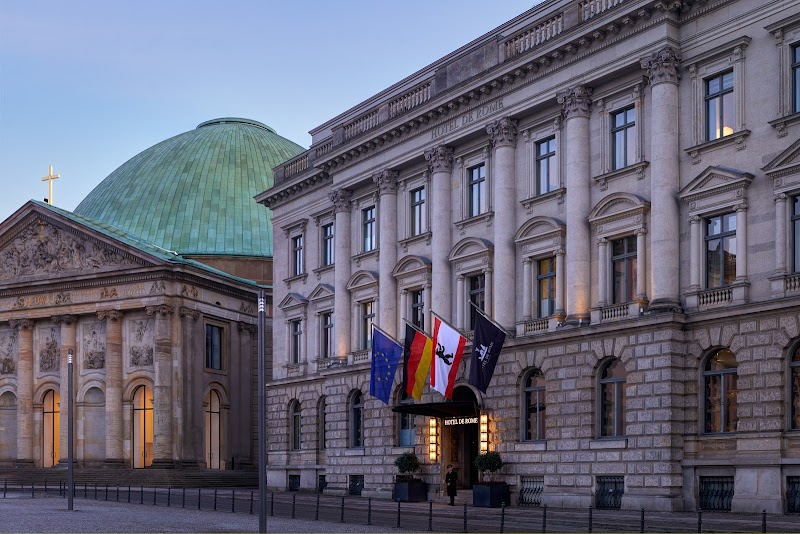
Unter den Linden is Mitte's central axis — a two-kilometre boulevard lined with linden trees running from the Brandenburg Gate (the city's most iconic monument) to the Schlossbrücke bridge and Museum Island. The buildings along this stretch tell German history in sequence: the Humboldt University (formerly the crown prince's palace), the Staatsoper Unter den Linden (Frederick the Great's opera house, reopened after complete restoration in 2017), the Prussian Arsenal (now the German Historical Museum), and the Humboldt Forum in the reconstructed Berlin Palace. Hotels along or immediately adjacent to Unter den Linden have the most historically resonant addresses in the city.
Museumsinsel — Museum Island — is the UNESCO-listed complex of five world-class museums on a Spree island: the Pergamonmuseum (the reconstructed Pergamon Altar and Ishtar Gate), the Neues Museum (the Nefertiti bust), the Alte Nationalgalerie (19th-century German Romanticism), the Bode Museum (Byzantine art and coins), and the Altes Museum (Greek and Roman antiquities). The total collection represents one of the most concentrated assemblies of cultural heritage in the world; experiencing all five properly requires multiple visits. Hotels within walking distance of the island's northern entrance on Am Kupfergraben are the most practically positioned.
The Gendarmenmarkt — Berlin's finest baroque square — lies south of Unter den Linden in the Friedrichstadt neighbourhood, technically still within Mitte. The Französischer Dom, Deutscher Dom, and the Konzerthaus Berlin create an architectural ensemble of extraordinary completeness; the square is at its most affecting in winter when Christmas markets operate and again in summer when outdoor concerts use the square as a backdrop. The Regent Berlin on the eastern side is the only luxury hotel directly on the square.
Mitte north of Oranienburger Strasse — the former no-man's land between East and West, redeveloped since 1989 with galleries, restaurants, and independent businesses — has become Berlin's most dynamic creative district. The Hackescher Markt S-Bahn station anchors a network of connected courtyards (Hacksche Höfe) with independent boutiques, galleries, and restaurants. This area's hotels are typically smaller and more design-oriented than the grand hotels on Unter den Linden.
Practically, staying in Mitte means accepting tourist-area pricing (food and drink are more expensive than in Kreuzberg or Friedrichshain) and proximity to significant tour group activity during daytime hours. The trade-off is entirely worth it for first-time visitors or those focused on cultural tourism; for visitors who've already done the Museumsinsel and want the local Berlin, the outer districts reward.