Berlin's approach to boutique hospitality reflects the city's characteristic willingness to repurpose. The Michelberger Hotel in Friedrichshain — a former factory turned into one of the most influential independent hotels in Europe — demonstrated in 2009 that Berlin guests responded to authenticity, honest pricing, and community-building more than they responded to the luxury-brand signals that defined hotels elsewhere. The Michelberger's influence on the subsequent decade of Berlin boutique hotel development is difficult to overstate.
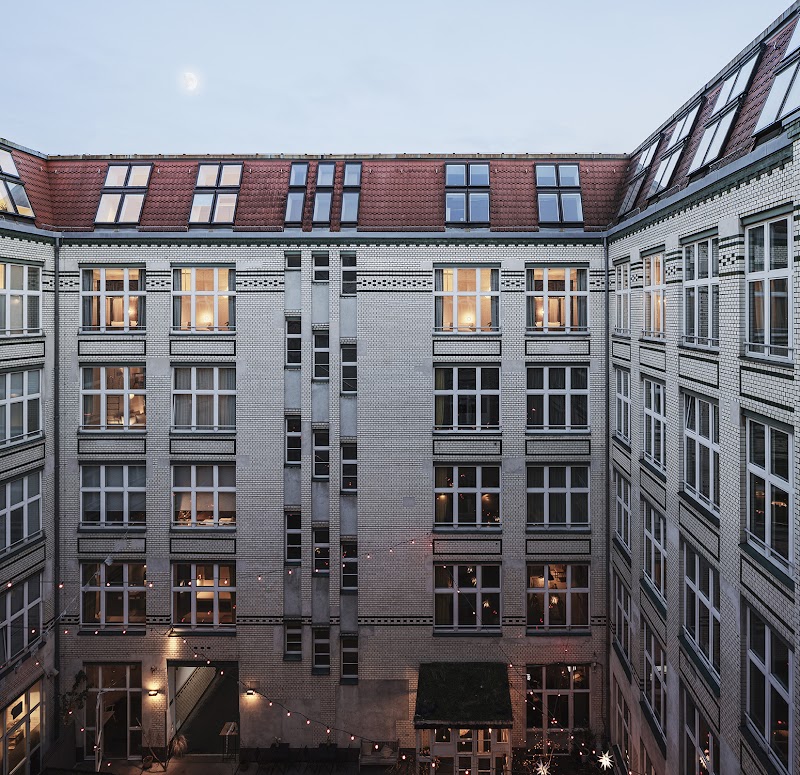
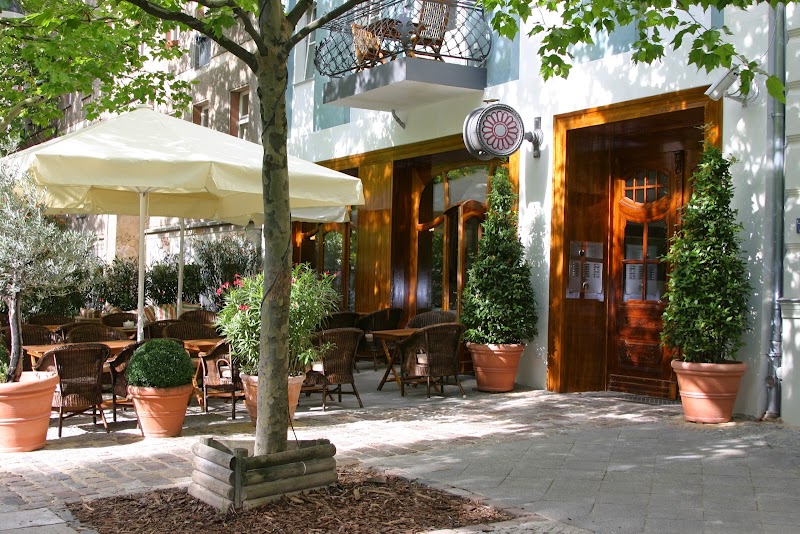
Prenzlauer Berg, Berlin's most gentrified neighbourhood, has produced a cluster of boutique hotels that serve the district's international creative residents — design-conscious properties in restored Gründerzeit apartment buildings, with independent coffee shops on the ground floor and cycling racks rather than valet parking. The neighbourhood's concentration of independent restaurants, organic markets, and gallery spaces provides exactly the lifestyle infrastructure that boutique hotel guests in this demographic require.
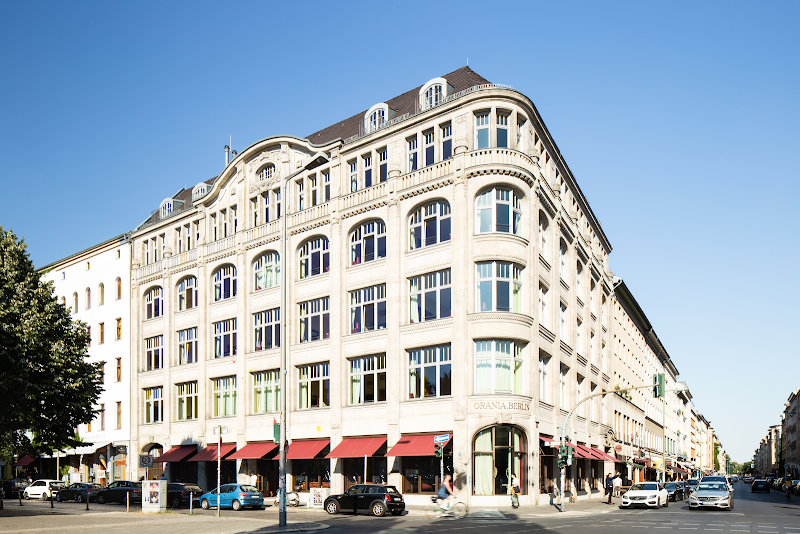
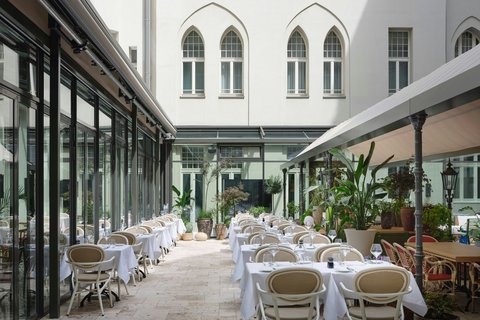
Kreuzberg and Neukölln offer a more abrasive and more authentic version of the boutique experience. Orania.Berlin on Oranienstrasse is the flagship — a genuine luxury boutique property that sits within Kreuzberg's landscape rather than above it. The neighbourhood's multicultural grocery stores, döner kebab shops with 50-year histories, and canal-side parks create a context for boutique travel that the Mitte luxury hotels structurally cannot offer.
Charlottenburg's boutique tier represents old West Berlin's independent hotel tradition — properties in the prosperous streets between the Kurfürstendamm and the Savignyplatz that have operated for decades as alternatives to the international chains. Hotel am Steinplatz is the most accomplished: a 1913 Jugendstil building housing a genuinely beautiful hotel with an excellent bar and restaurant, positioned between the Kudamm and the Tiergarten.
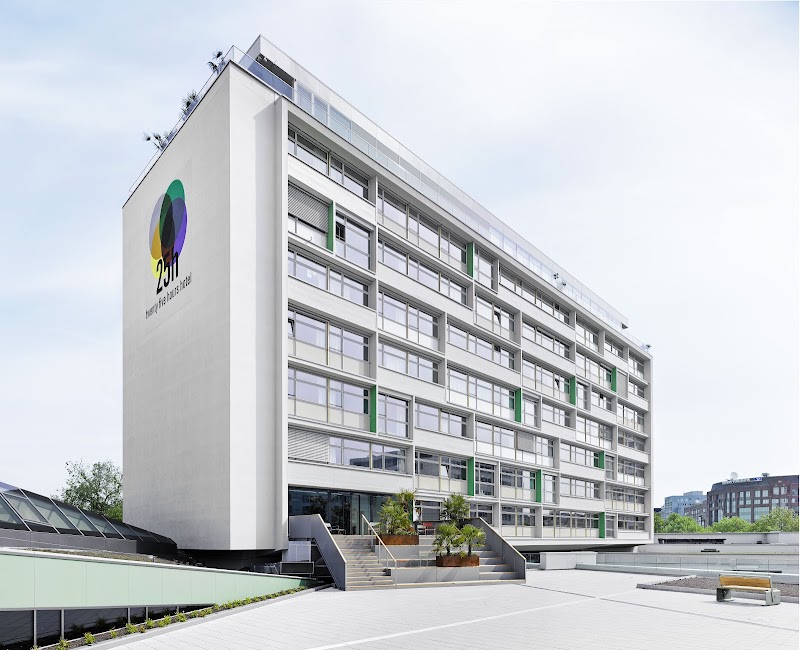
Berlin's most distinctive independent hotel development of the past decade has been the 25hours group's expansion into the city — properties in Charlottenburg (former Bikini Berlin building, facing the Berlin Zoological Garden) and in Hamburg and Frankfurt that established a pan-European model for playful, design-conscious budget-to-mid-range boutique accommodation. The Bikini Berlin location is particularly successful: a mid-century commercial building converted into a hotel where jungle-print rooms face the zoo's chimpanzee enclosure, and the Monkey Bar on the ninth floor is one of the city's most reliably good casual dining and cocktail venues.
Berlin boutique hotels cluster in neighbourhoods where the design energy is genuine — Mitte's gallery district north of Oranienburger Strasse, the Hackescher Markt area with its interconnected courtyards (Hacksche Höfe), Prenzlauer Berg's Kastanienallee strip, Kreuzberg's Bergmannstrasse, and Neukölln's increasingly developed Weisestrasse. Staying in any of these areas with a boutique hotel provides access to the neighbourhood's actual daily life rather than the tourist infrastructure that concentrates around the main sights.