Berlin's luxury hotel market reflects the city's complex geography — Mitte's historic axis (Under den Linden, Brandenburg Gate, Gendarmenmarkt) concentrates the grandest properties, while Tiergarten's embassy quarter and Charlottenburg's prosperous west Berlin legacy provide contrasting bases for the city's most interesting boutique luxury options.
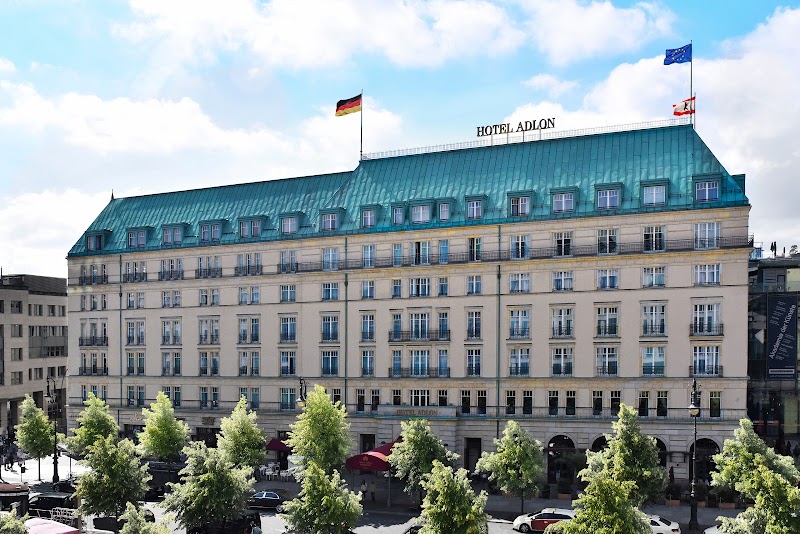
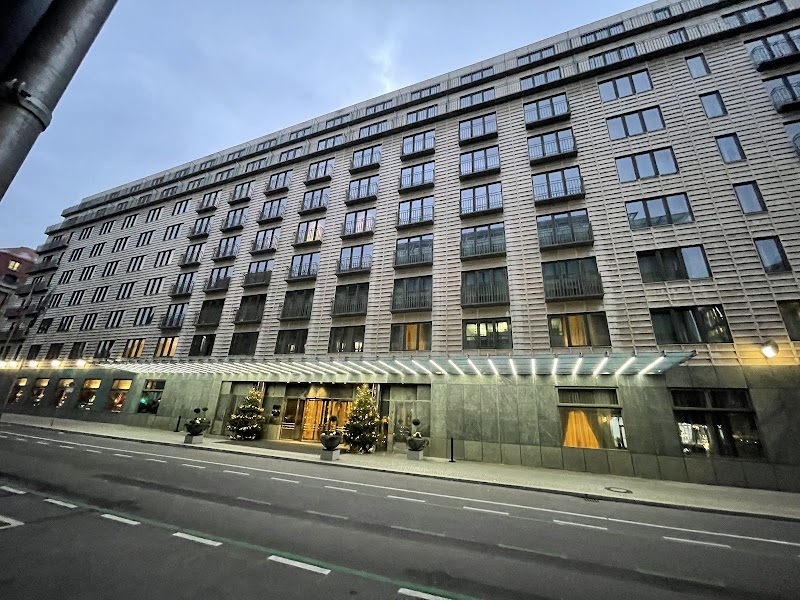
Hotel Adlon Kempinski is the city's most historically resonant luxury address — rebuilt in 1997 on the site of the legendary 1907 original that hosted Kaiser Wilhelm II, Marlene Dietrich, Tsar Nicholas II, and virtually every significant figure of early 20th-century Europe. The original Adlon was destroyed in 1945; the current property is faithful to the spirit if not the fabric. The Lorenz Adlon Esszimmer's two Michelin stars represent Berlin's finest hotel dining; the marble lobby fountain is a landmark in its own right; the Brandenburg Gate view from upper floors is unmatched in the city.
The Regent Berlin, facing the Gendarmenmarkt, occupies the city's most beautiful baroque square — the twin Deutscher Dom and Französischer Dom flanking the Konzerthaus, an architectural ensemble of extraordinary completeness. The 195-room hotel delivers classical luxury in a quieter register than the Adlon; the Charlotte & Fritz restaurant is one of Mitte's better hotel dining rooms; the square outside offers evening strolling and concert access that the Brandenburg Gate address doesn't.
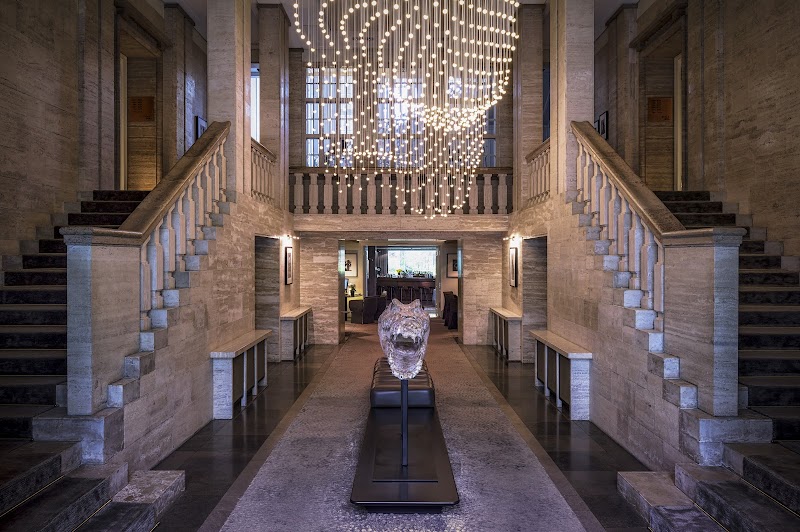
Das Stue (under the SO/ Berlin brand) in Tiergarten is the city's most architecturally considered small luxury hotel — Patricia Urquiola's design of a 1930s Danish Embassy building has been widely cited as one of the best hotel interiors completed in Europe in the past decade. The 78 rooms are warm and intelligent; the Cinco restaurant (Michelin-starred) is Berlin's most intimate fine-dining experience; the hotel's backing onto the Berlin Zoological Garden creates a unique natural sound environment. This is the hotel for guests who find the Adlon's scale and grandeur slightly overwhelming.
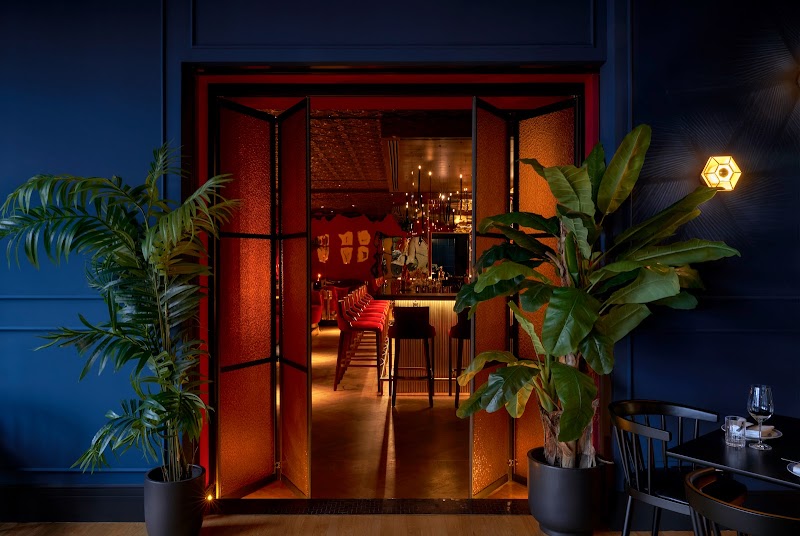
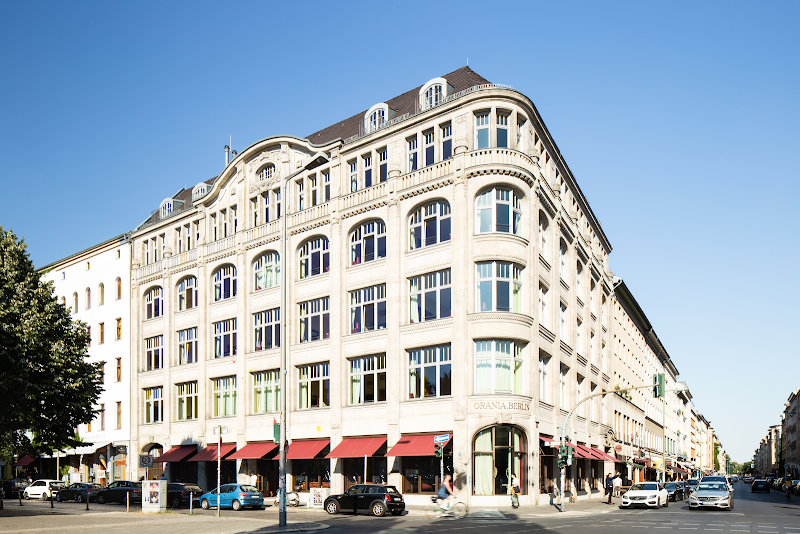
Orania.Berlin in Kreuzberg represents Berlin's most authentically local luxury proposition — 41 rooms in a Wilhelmine building on Oranienstrasse, excellent food, a jazz programme that has become a genuine cultural institution in its own right, and a neighbourhood (Kreuzberg SO36) that is entirely unlike the museum-and-monument tourism of Mitte. Staying here provides a Berlin experience that the grand hotels cannot — the multicultural, creative, frequently chaotic energy of the city's most genuinely alternative district, experienced from a base of genuine quality.
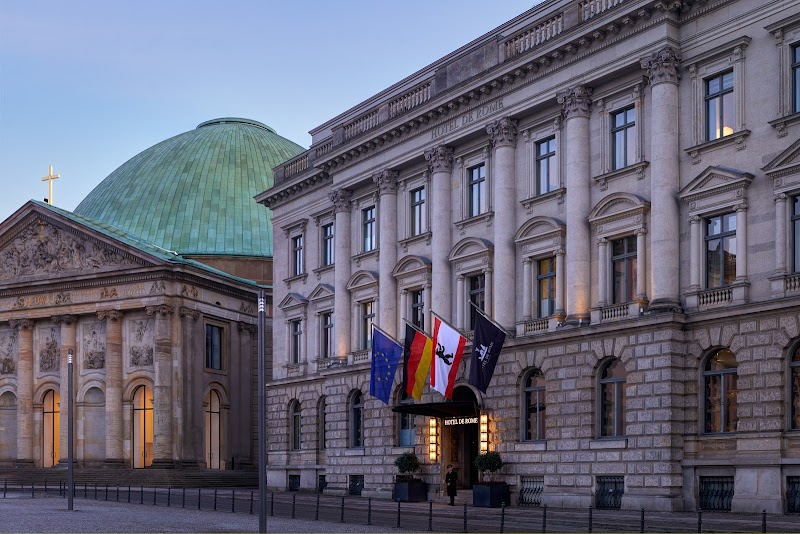
Hotel de Rome on Bebelplatz occupies the 1889 Dresdner Bank building — a spectacular Gründerzeit structure whose original bank vault has been converted into a spa pool of extraordinary originality. The Rocco Forte approach (understated, precise, impeccably run) suits Berlin well; the location beside the Staatsoper Unter den Linden and facing the Humboldt University puts you at the centre of the city's intellectual and cultural history.
Berlin's luxury hotel market pricing remains significantly lower than Paris, London, or even Munich — excellent luxury rooms regularly available for €250–400/night where equivalent properties in Paris would start at €450–700. The city's continuing investment in cultural infrastructure (the Stadtschloss/Humboldt Forum reopening, the Futurium, the constant evolution of the gallery scene) makes the hotel investment feel proportionate to the experience available.