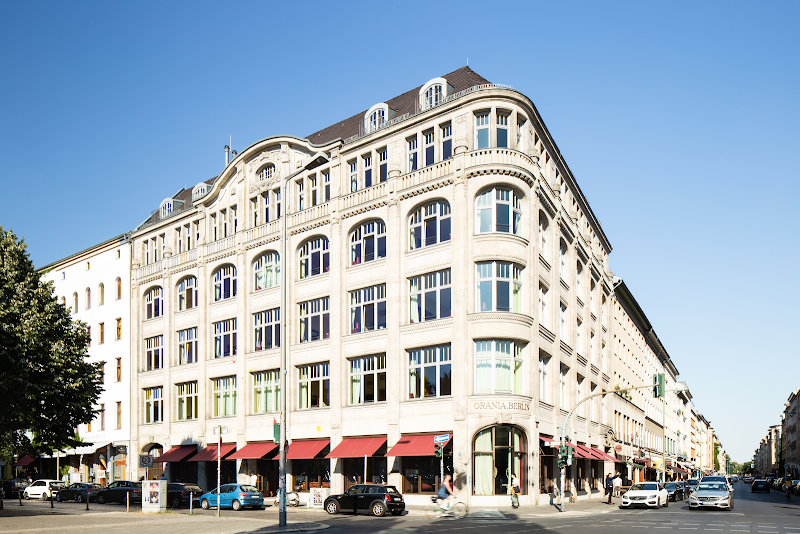
Kreuzberg divides naturally into two distinct sub-neighbourhoods that residents distinguish clearly. SO36 — named for the old West Berlin postal code — is the eastern part, bordered by the Landwehrkanal to the south and Oranienstrasse running through its centre. This is historically the Turkish and working-class neighbourhood, the area of punk squats and political activism in the 1980s, now also home to Orania.Berlin, the Görlitzer Bahnhof park, the RAW-Gelände precursor (Schlesischer Busch), and the majority of the area's best bars and restaurants. SW61 (the other postal district, now called Kreuzberg-Mitte) is the more prosperous western section — the Bergmannstrasse with its independent shops and cafés, the Viktoriapark hill with its Prussian war memorial and the Schultheiss waterfall, and the Mehringdamm commercial spine.
The Landwehrkanal, running east-west through Kreuzberg's southern edge, is the neighbourhood's social artery in summer. The canal towpath from Kottbusser Brücke to the Paul-Lincke-Ufer and beyond becomes a continuous outdoor living room in warm weather — blankets spread on the grass, cheap beer from the adjacent Spätis, music drifting from houseboats. This is the Berlin that photographs share but can't be manufactured in tourist areas.
Kreuzberg's food scene is the city's most genuinely multicultural — and therefore its most interesting. The Turkish Market on Maybachufer (canal towpath, Tuesday and Friday) is the best market in Berlin: fresh gözleme, excellent olives and cheese, cheap vegetables, and a social mix that reflects the neighbourhood accurately. The area around Bergmannstrasse and the Chamissoplatz is where Kreuzberg's more upscale independent restaurant scene concentrates — wine bars, natural wine shops, and creative small restaurants that would fit in Copenhagen or Hackney without modification.
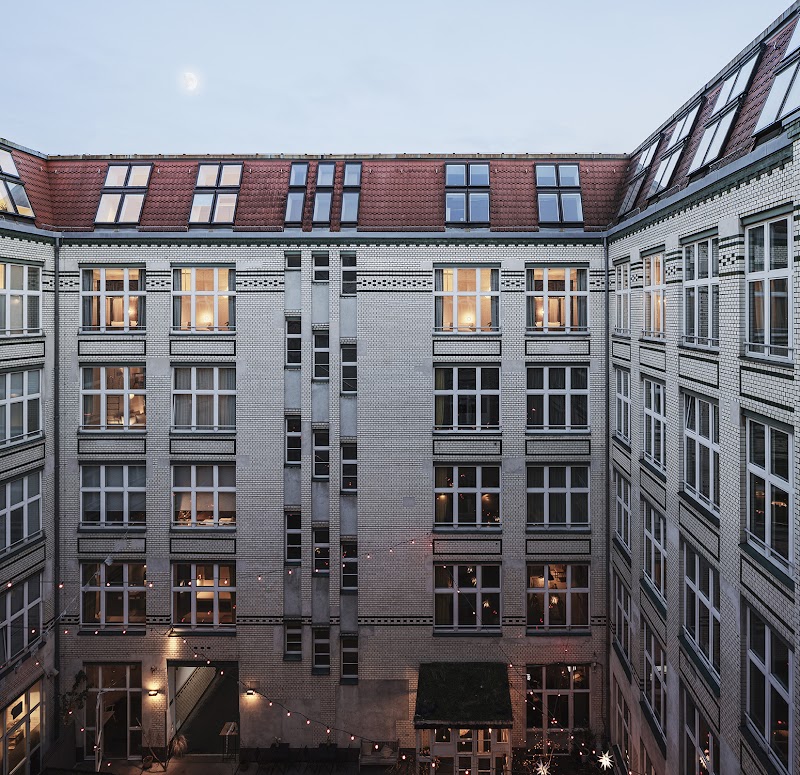
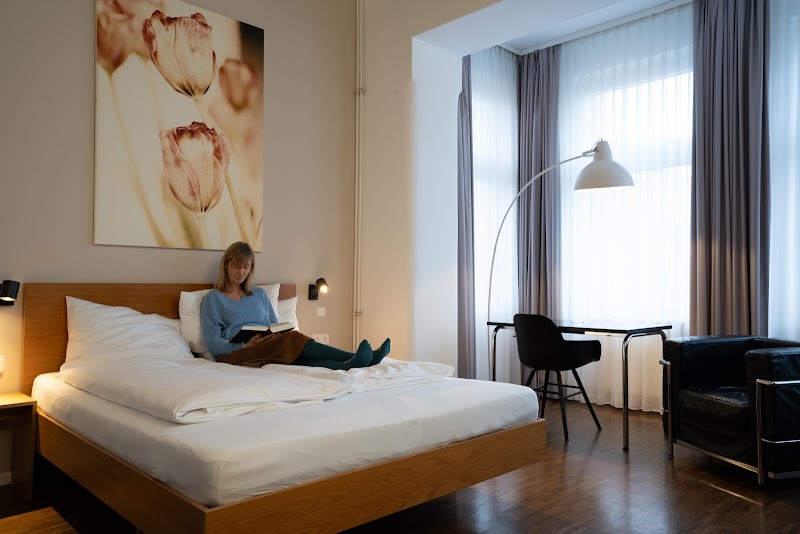
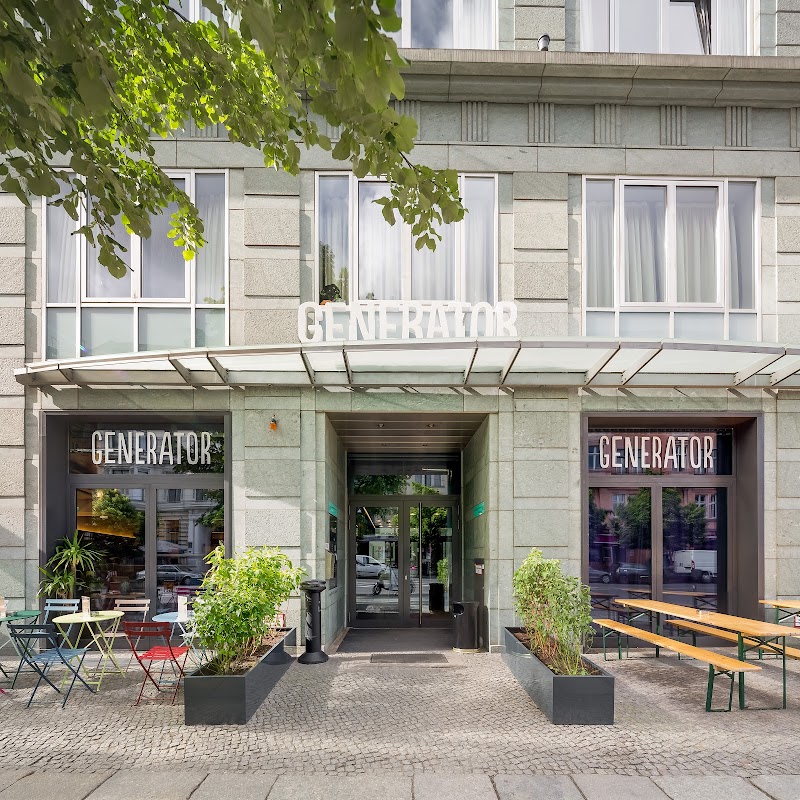
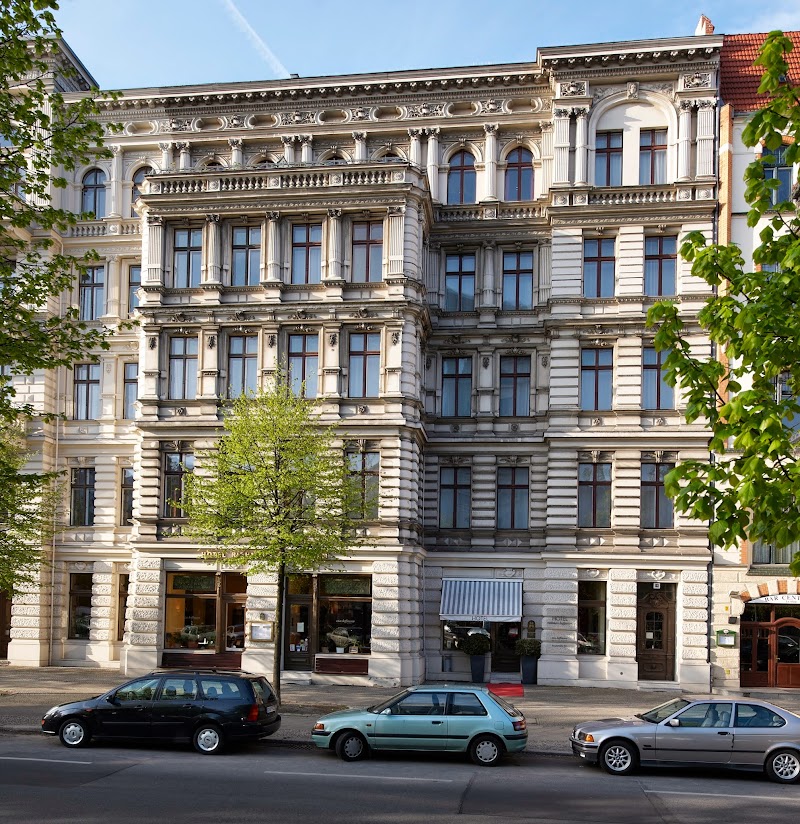
Hotels in Kreuzberg are fewer and smaller than in Mitte — the neighbourhood's historically anti-commercial ethos has resisted large hotel development. Orania.Berlin is the only genuinely luxury option; most Kreuzberg accommodation is apartment-style (the neighbourhood's abundant pre-war housing stock converts well to serviced apartments) or small independent guesthouses. This scarcity is itself a recommendation: if Kreuzberg hospitality can be found, it tends to reflect the neighbourhood's character rather than generic hotel culture.
Practical information: Kreuzberg is 15–20 minutes from Mitte's main sights by U-Bahn (U1/U6 from Schlesisches Tor or Kottbusser Tor to Stadtmitte or Brandenburger Tor). The neighbourhood's own attractions — the Jüdisches Museum (Jewish Museum), the Topography of Terror, the Deutsches Technikmuseum, Checkpoint Charlie (at the Kreuzberg/Mitte border) — are substantial in their own right. The nightlife zone around Schlesische Strasse and the clubs on the Spree embankment (Tresor at Mitte border, the various Schlesische Strasse venues) is the city's most active after midnight.