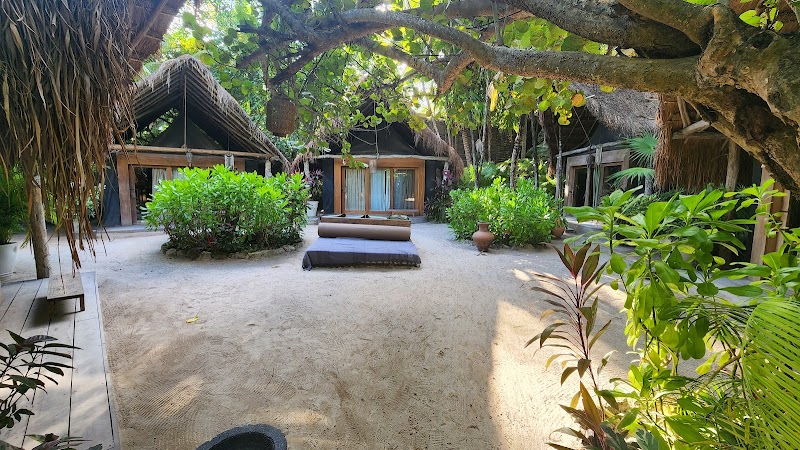
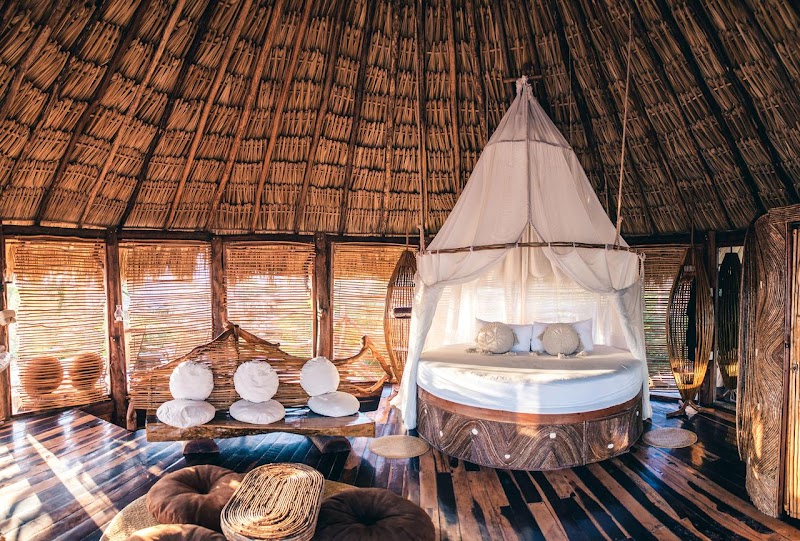
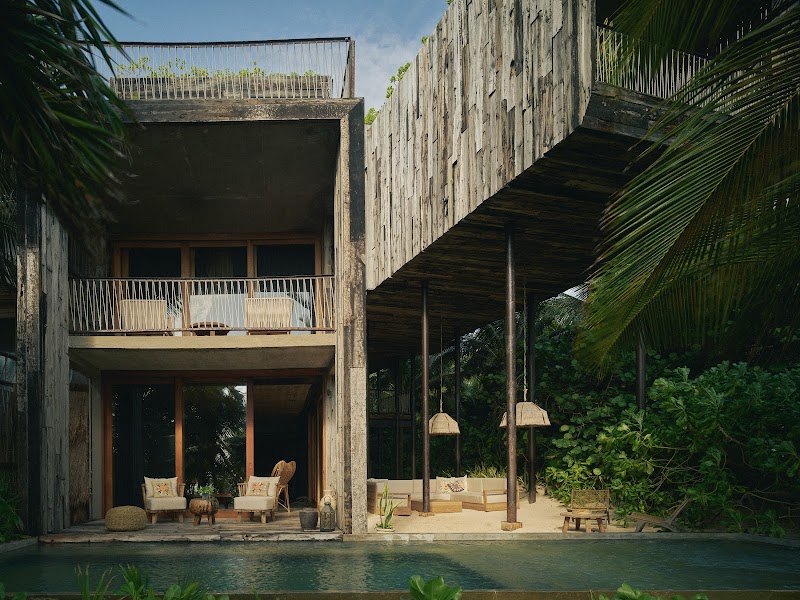
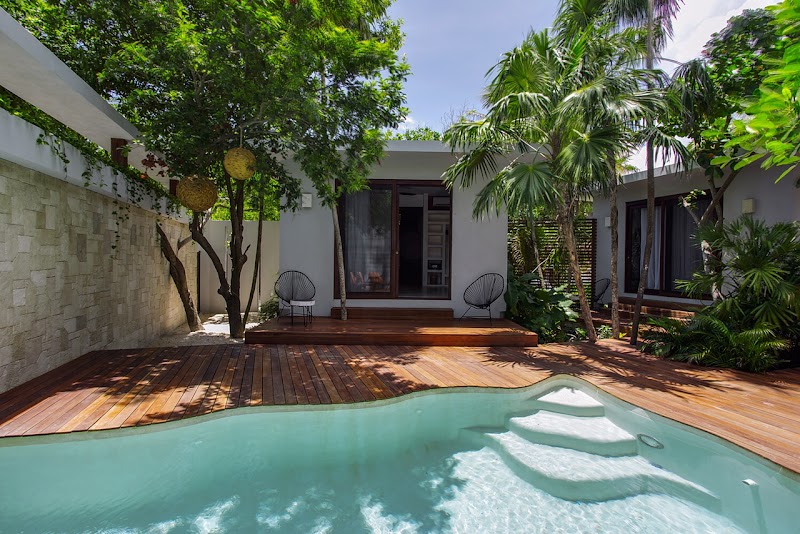
Tulum's restaurant scene concentrates along the Tulum Beach Road (Carretera Tulum-Boca Paila), a 10km jungle-to-sea corridor lined with boutique hotels, yoga shalas, and open-air restaurants that have collectively developed into one of the most distinctive dining strips in the Americas. The cuisine tends toward wellness-influenced Mexican-international fusion — raw fish tostadas, wood-fired whole snapper, handmade masa tortillas with local squash and black beans, and mezcal-based cocktails incorporating wild-foraged herbs. This is a food scene that takes its ingredients seriously in a way that occasionally tips into preciousness but more often produces genuinely beautiful plates.
The Hartwood restaurant on the beach road is the most celebrated table in Tulum — a wood-fired kitchen using no electricity and no gas, sourcing exclusively from local farms and the surrounding jungle, serving a menu that changes daily based on what arrived from the fields that morning. The queue forms outside before the restaurant opens; there are no reservations. Arca, a few hundred meters north, operates on similar principles with slightly more structural finesse — local ingredients, wood-fired cooking, handmade pasta using Yucatecan heritage grains. Both represent the pinnacle of Tulum's ambitious food culture.
The Tulum town (pueblo) — distinct from the beach hotel zone — has a completely different food character. The downtown streets around the central plaza and Avenida Tulum have excellent local taquerias, cochinita pibil stands, and traditional Mayan-influenced cooking at genuinely accessible prices. La Eufemia on Calle Centauro del Norte is the best sit-down Mayan kitchen in the pueblo; the breakfast spots around the Chedraui supermarket area serve huevos motuleños (eggs on black bean-covered tortilla with plantain and peas) in a way that grounds you after the beach road's more ethereal cooking.
Cenote dining is a unique Tulum ritual — several hotels and restaurants have built their food and beverage programs around the extraordinary freshwater sinkholes that dot the Yucatán's limestone karst landscape. Grand Cenote (3km from town) has an adjacent restaurant; Cenote Dos Ojos and the restaurants around the Sian Ka'an biosphere reserve offer some of the most atmospheric meal settings anywhere on earth.
Tulum's mezcal culture deserves its own chapter. The bars and mezcalerías of the beach road — Gitano in the jungle, the bar at Nomade, Matilda on the hotel strip — serve serious curated mezcal lists drawn from small Oaxacan producers, alongside Mexican craft beer and natural wines that reflect Tulum's broadly international, eco-conscious clientele. The ritual of drinking mezcal in a jungle setting with firelight and the sound of the Caribbean somewhere beyond the trees is something you don't encounter elsewhere.