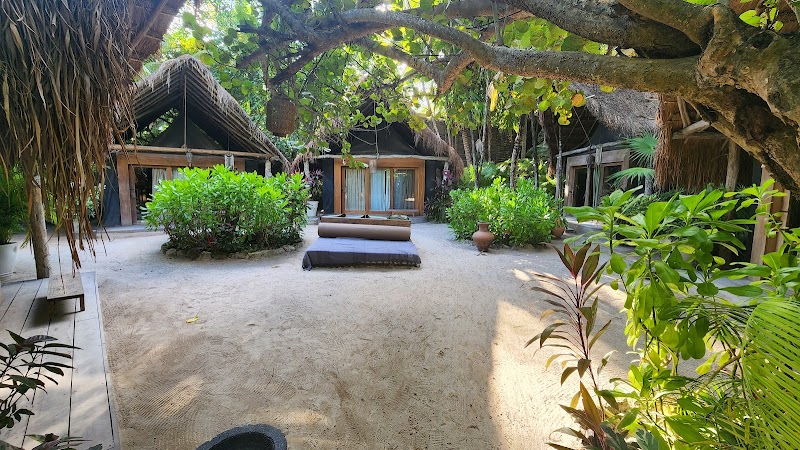
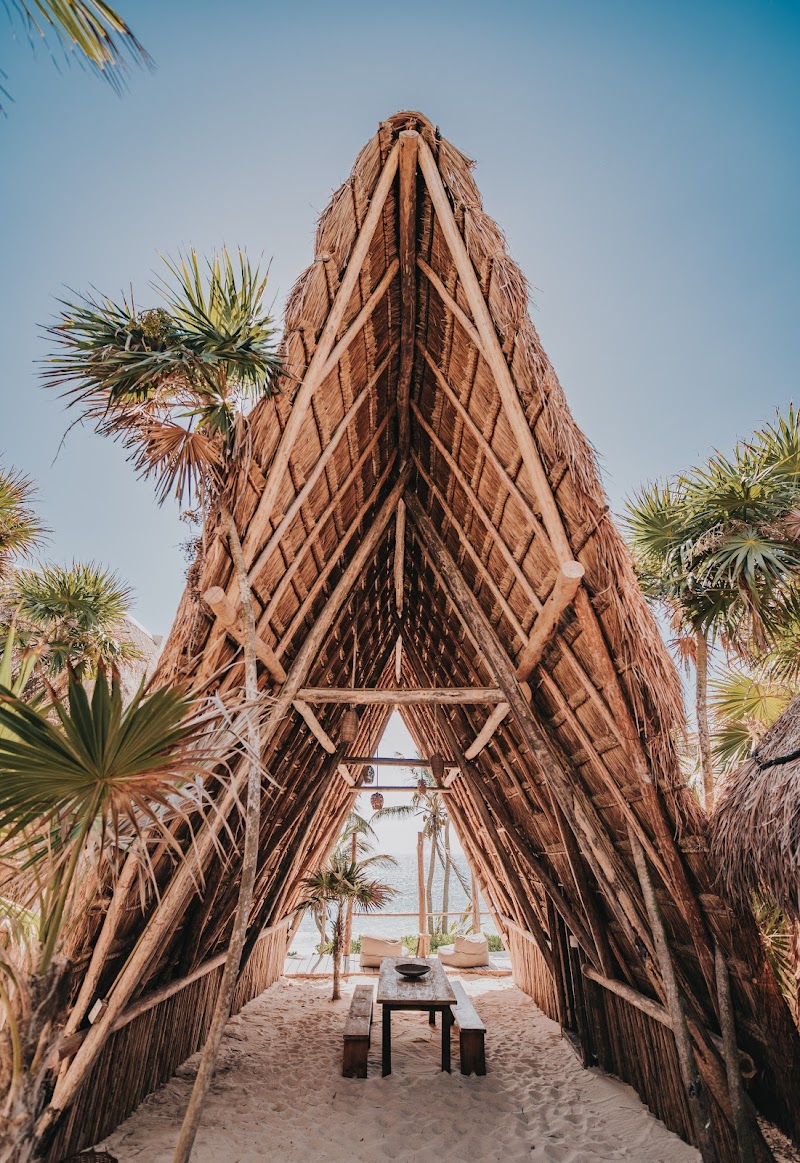
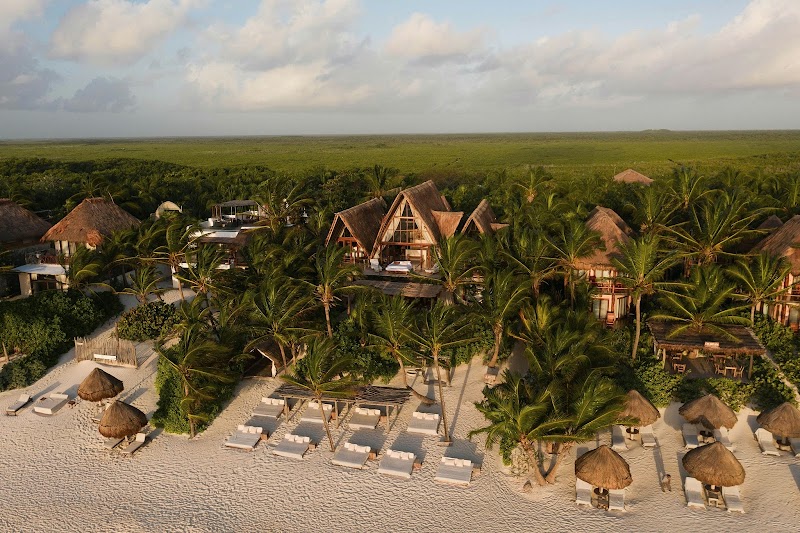
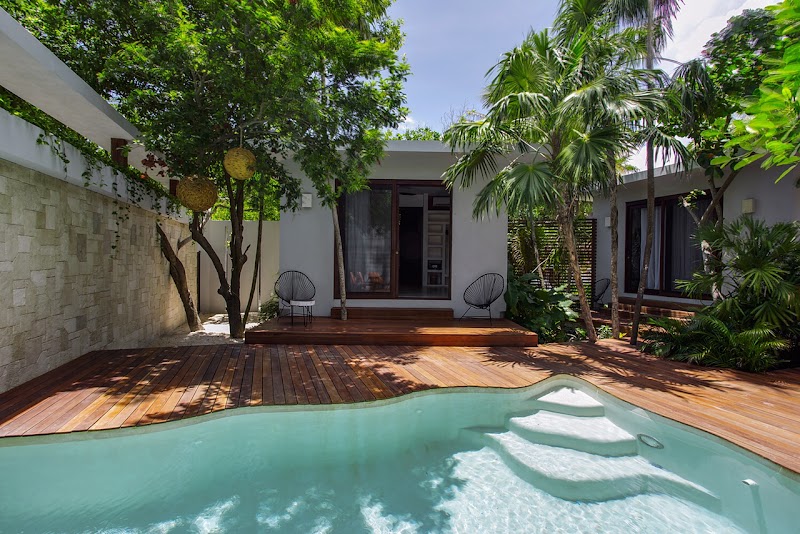
Tulum luxury operates on different terms than the all-inclusive resorts of Cancún or the polished five-star towers of Mexico City. What you're buying on the Beach Zone is atmosphere, architecture, and a form of deliberate disconnect — from electricity in some cases, from Wi-Fi in most, from the ordinary world entirely. The best hotels don't just give you a beautiful room; they construct a full sensory experience around the jungle-meets-Caribbean setting that Tulum's geography makes uniquely possible.
The price premium for beachfront in Tulum is substantial and real. The hotel strip — officially Carretera Tulum-Boca Paila — runs about 10 kilometres through a UNESCO-adjacent biosphere reserve. Because building permits are tightly controlled (at least officially), truly beachfront rooms are finite. That scarcity, combined with the destination's global profile, means top-tier properties regularly command rates that rival the Maldives or St. Barths. What you get in return is not a pool with a swim-up bar — it's a palapa-roofed villa where howler monkeys wake you at dawn and the Caribbean is 40 metres from your outdoor shower.
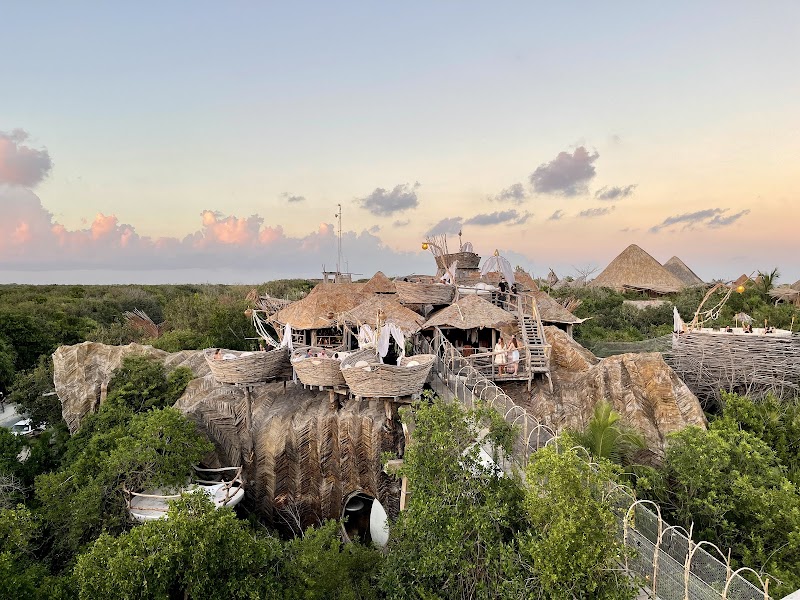
Azulik is the crown jewel and the most discussed hotel in Tulum's history. Its treehouse villas have no right angles, no electricity, no mirrors — Roth Taller de Arquitectura designed each structure as a living organism woven into the jungle canopy. The Mayan-inspired Uh May spa, the SFER IK museum and art compound on the grounds, and the network of rope bridges connecting villas to the clifftop ocean views make Azulik feel less like a hotel and more like a self-contained world. The adult-only policy ensures the atmosphere stays consistent.
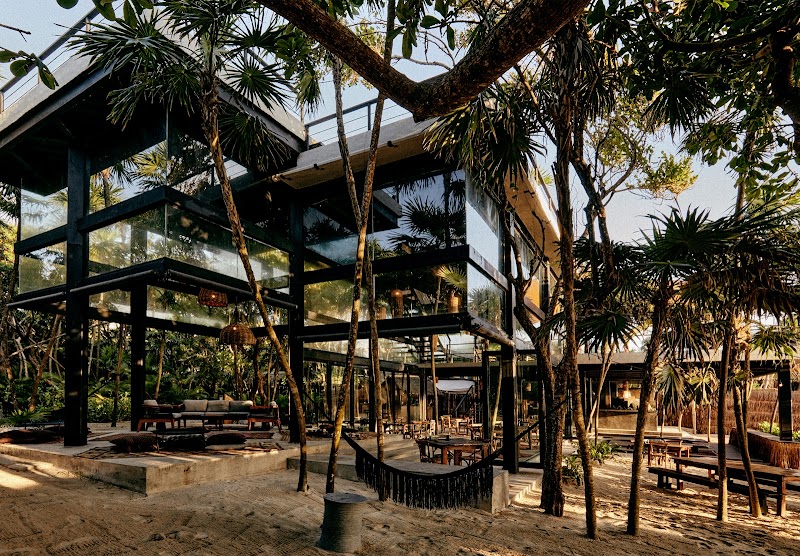
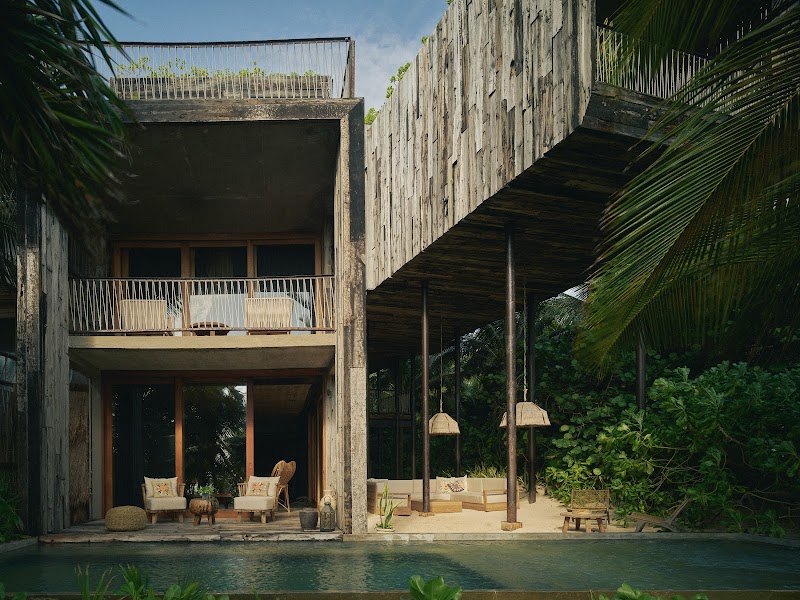
Be Tulum and Nomade represent two distinct personalities at the top of the market. Be Tulum — 62 suites and villas in a jungle garden — is the quieter, more design-focused option: raw stone, outdoor rain showers, beds under woven canopies, and service that feels genuinely attentive rather than performatively spiritual. Nomade is the opposite pole: a wellness destination with a capital W, where Kundalini yoga, cacao ceremonies, and fire rituals are core to the guest experience rather than optional extras. Both sit on excellent private beach stretches.
Casa Malca earned its reputation through a remarkable origin story — the former Tulum home of Pablo Escobar, now reimagined as a 40-room boutique hotel with one of the Zone's best private beaches. The history is part of the marketing, but the product stands on its own: a beautiful palapa-and-stone property with excellent food, a long stretch of white sand, and a guest mix that skews artistic and fashion-forward.
La Valise sits at the more intimate end of the luxury spectrum — just 7 suites in a property that operates closer to a private villa rental than a hotel. There are no programmed experiences, no shaman on staff — just exceptionally beautiful rooms, a private beach palapa, and the sense that you've found a secret. Rates are in line with Azulik and Be Tulum, but the experience is deliberately lower-key.
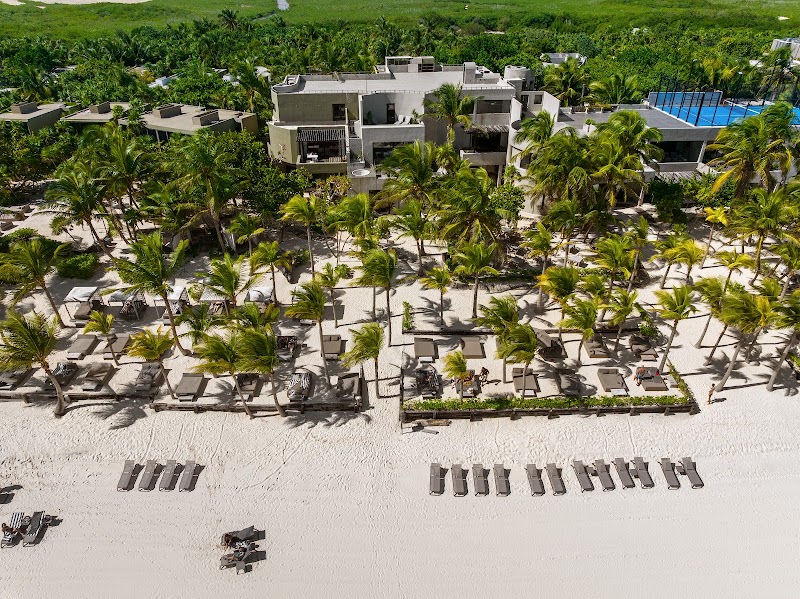
Sanara, positioned beside Papaya Playa Project, makes a strong argument for what luxury can look like when it's focused on the body rather than the architecture. The TOUT wellness center is among the best in the Yucatán — full Ayurvedic treatments, yoga teacher trainings, and personalized wellness protocols. The rooms are beautiful, the beach is excellent, and the restaurant sources from local organic producers.
One practical note: the sargassum seaweed situation on the beach strip varies significantly by season and by specific location. The southern reaches of the Hotel Zone (where Azulik, Nomade, and Papaya Playa Project are clustered) tend to fare better than the northern end, but conditions shift with wind patterns and require checking closer to your travel date. The best hotels manage their stretches actively, but even the most expensive property can't control the ocean. Check recent guest photos before confirming any beachfront booking.
The luxury market in Tulum functions almost entirely without traditional hotel loyalty programs. You're booking direct with properties or through Booking.com, and the relationships are personal rather than points-based. Many of the top hotels close or reduce operations May through September during the low season — confirm availability and operating status if traveling outside peak season (November through April).