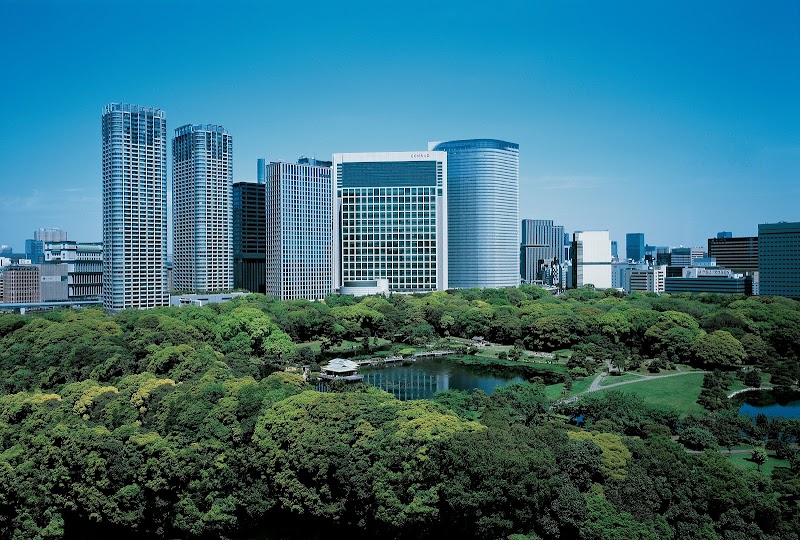
Ginza's hotel landscape is shaped by its identity as Japan's premier luxury commercial district. The neighbourhood's primary function — presenting global luxury brands to Japanese and international shoppers — creates an atmosphere of refinement that carries through into hotel product, restaurant quality, and the general standard of street-level interaction. Service in Ginza operates at a register that even other luxury Tokyo neighbourhoods struggle to match: the expectation of absolute discretion, effortless efficiency, and a kind of professional warmth that feels simultaneously personal and entirely composed.
The architectural environment of Ginza has been dramatically upgraded in recent years. The opening of the Tokyu Plaza Ginza, the K11 Musea artisanal mall, and the Ginza Six luxury complex have added new architectural anchors to a neighbourhood already rich in mid-century and Modernist buildings. The result is a streetscape of considerable visual interest — particularly the stretch of Chuo-dori that becomes a pedestrian zone on weekend afternoons, turning Tokyo's most expensive shopping street into an outdoor gallery of architecture, fashion, and human spectacle.
For cultural travellers, Ginza offers unique access to Japan's art market. The neighbourhood has the highest concentration of commercial galleries of any Tokyo district, ranging from auction house outposts to cutting-edge contemporary spaces. The Pola Museum Annex, the Shiseido Gallery, and numerous independent galleries can be explored in a single morning's walk from any Ginza hotel. This cultural density, combined with the extraordinary food culture of the district — Ginza has more Michelin-starred restaurants per square kilometre than almost anywhere on earth — creates an exceptionally rich visitor experience.
The proximity to the Imperial Palace and Hibiya Park gives Ginza guests access to some of central Tokyo's most beautiful open spaces, a counterweight to the neighbourhood's commercial intensity that becomes increasingly precious as a Tokyo trip lengthens. A morning walk through the Imperial Palace grounds, followed by breakfast at a Ginza coffee shop that has been operating since before World War II, is a distinctly Tokyo pleasure.