Asakusa's hotel landscape is shaped by the neighbourhood's identity as one of Japan's most popular domestic tourist destinations. This creates a paradox: while the area around Senso-ji is genuinely crowded in daytime, Asakusa retains a neighbourhood authenticity at its edges and in the early morning that the more popular tourist districts have completely surrendered. Hotels a few streets removed from the main temple approach find themselves in genuinely residential Tokyo — wooden buildings, neighbourhood bathhouses, family-run restaurants, and the particular quiet of a neighbourhood where old Tokyo still makes itself heard.
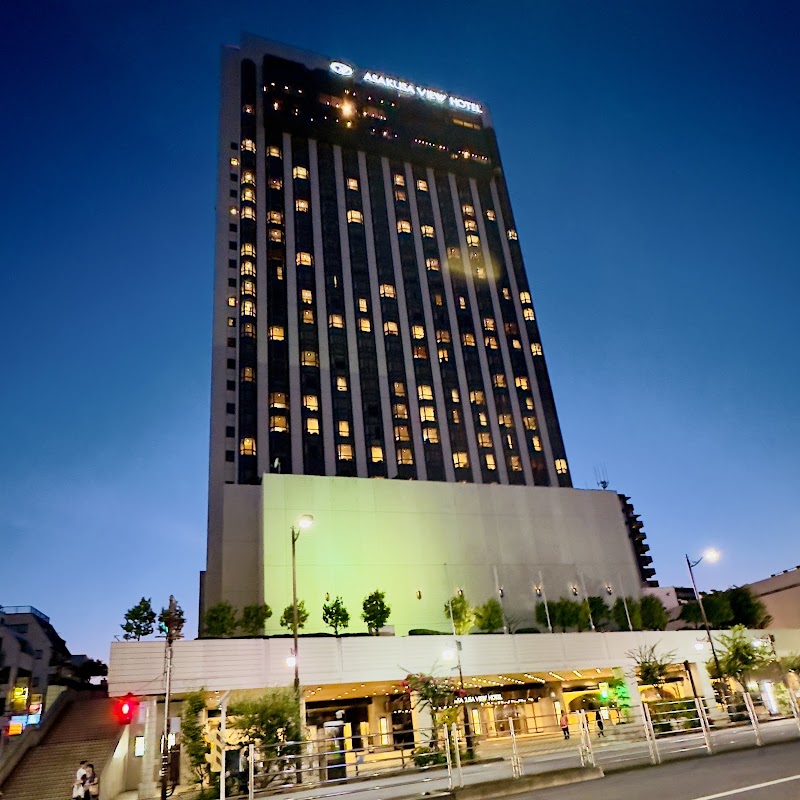
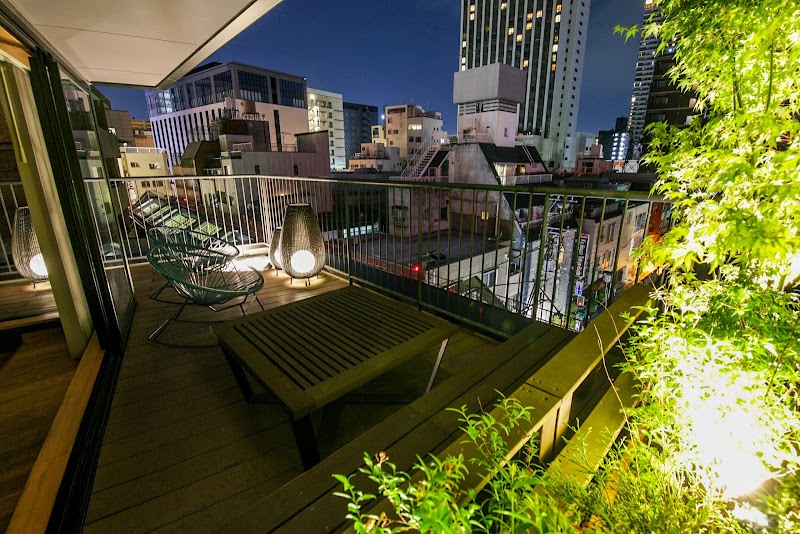
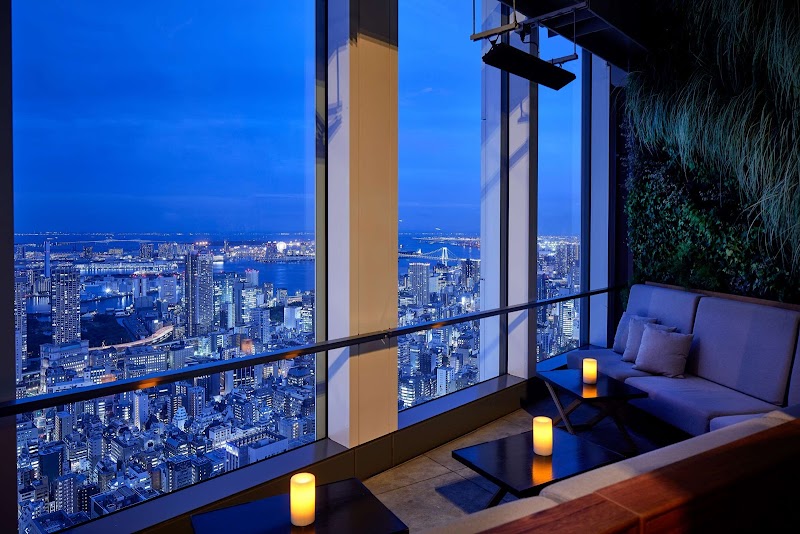
The hotel inventory in Asakusa spans a wider range than most Tokyo neighbourhoods. Large international chain hotels occupy positions above the Sumida River, their upper floors delivering dramatic views of the Tokyo Skytree tower across the water — one of Tokyo's most compelling and photogenic contrasts, ancient street life below and futuristic architecture above. Meanwhile, a growing number of machiya-style guesthouses and boutique ryokan have opened in restored traditional buildings, offering more intimate Japanese experiences than the business hotel sector. The range from ¥5,000 capsule hotels to ¥50,000 luxury ryokan suites is broader here than in any other major Tokyo neighbourhood.
Asakusa's craft culture is one of its most distinctive and hotel-relevant features. The neighbourhood's traditional industries — fans, paper goods, Japanese sandals (zori), hand-made combs, lacquerware — are still practiced by working artisans whose workshops are accessible on foot from any Asakusa hotel. Several of the neighbourhood's better hotels organise artisan workshop experiences for guests, which represent a form of cultural access unavailable from more sanitised tourist-district accommodations. The morning market approach to Senso-ji — arriving before the tourist groups at 7am, watching incense offerings and elderly worshippers, and eating breakfast at a temple-side tea house — is one of Tokyo's most quietly moving experiences.
The culinary scene in Asakusa leans toward traditional Japanese categories that the neighbourhood has been serving for generations. Tempura — said to have been introduced to Japan in the adjacent Asakusa area — is available at venerable restaurants that have been operating for over a century. Kaminarimon dango (rice dumplings), ningyo-yaki (temple cakes), and the unique Asakusa soba tradition all provide distinctive food experiences that differ entirely from the ramen and sushi that dominate other neighbourhoods.