Skip to content

Tokyo — Traveler Guide

Best Food Hotels in Tokyo

Tokyo holds more Michelin stars than any other city on Earth, and where you stay shapes everything about how you eat. The right hotel puts you steps from a third-generation soba master, a counter izakaya that seats eight, or a tempura shrine where the batter is lighter than morning mist. These properties don't just provide a bed — they serve as launchpads into the most sophisticated food culture on the planet.

food hotels Tokyo best hotels near Tokyo restaurants Tokyo foodie hotels hotels near Tsukiji Tokyo
Best Food Hotels in Tokyo

Quick Answer

The Best Food Hotels in Tokyo at a Glance

Tokyo holds more Michelin stars than any other city on Earth, and where you stay shapes everything about how you eat. The right hotel puts you steps from a third-generation soba master, a counter izakaya that seats eight, or a tempura shrine where the batter is lighter than morning mist. These properties don't just provide a bed — they serve as launchpads into the most sophisticated food culture on the planet.

  1. 1
    Aman Tokyo Otemachi / Marunouchi · $$$$ · ★ 9.6 Exceptional
  2. 2
    The Peninsula Tokyo Hibiya / Yurakucho · $$$$ · ★ 9.4 Exceptional
  3. 3
    Mandarin Oriental Tokyo Nihonbashi / Mitsukoshi · $$$$ · ★ 9.3 Exceptional
  4. 4
    Park Hyatt Tokyo Nishi-Shinjuku · $$$ · ★ 9.1 Superb
  5. 5
    The Okura Tokyo Toranomon / Azabu · $$$ · ★ 9.0 Superb

5 hotels reviewed · Price range: $$$$, $$$ · Last updated March 2026

About This Guide

Tokyo's culinary geography is as intricate as its train map. Ginza is the old guard of fine dining — white-tablecloth temples where kaiseki chefs have been perfecting their craft for half a century. But walk ten minutes north and you're in Tsukiji Outer Market, where vendors have been selling yellowfin tuna and tamagoyaki since before most Western restaurants were founded. Staying near the Ginza-Tsukiji axis means you can eat extraordinary sushi at 7am and a $400 omakase dinner at 8pm without ever hailing a cab.

Shinjuku and Shibuya offer a different register entirely. Golden Gai — a cluster of 200 impossibly tiny bars northwest of Kabukicho — is where food journalists, manga artists, and off-duty sushi chefs drink together at counters barely wide enough for your shoulders. Nishi-Shinjuku's depachika (department store basement food halls) at Takashimaya and Isetan are pilgrimage sites in themselves, stacking regional wagashi, kurobuta pork katsu, and Hokkaido soft-serve into dizzying abundance. A hotel within walking distance means you'll be grazing all day.

For ramen obsessives, the Ikebukuro-Higashi-Shinjuku corridor is ground zero. Ivan Ramen in Meguro, Fuunji in Shinjuku, Nakiryu in Minami-Otsuka (the first ramen shop to earn a Michelin star) — these are pilgrimage stops that don't require reservations, just patience and an early alarm. Shibuya's Niku Yokocho (Meat Alley) heaves with yakitori smoke from 5pm onward, while Ebisu and Daikanyama shelter the quiet, chef-driven bistros and natural wine bars that feed Tokyo's creative class.

The sheer depth of Tokyo's food culture — from a three-seat hand-roll bar in Nishi-Azabu to a department store sushi conveyor that outperforms restaurants in most global capitals — means proximity matters enormously. The hotels listed here are chosen specifically for their walkable access to concentrated eating districts, their concierge expertise in navigating reservation-only omakase, and their own food programs that hold their own against the city outside.

One insider note: Tokyo's best meals often require reservations months in advance, especially at Sukiyabashi Jiro (Ginza), Saito, and Florilège. Book your hotel first, then use the concierge to work the phones. Many of these properties have relationships that open doors closed to the public — it's one of the most underrated amenities in the city.
Insider Tips

  • 1

    Book omakase restaurants 2–3 months in advance via Tableall or Omakase.jp — these platforms handle English bookings for counters that previously required Japanese-speaking intermediaries.

  • 2

    Visit the Tsukiji Outer Market between 6am and 8am for the best sushi breakfast, then loop to Ginza's backstreets for morning coffee at one of the neighborhood's exceptional third-wave cafés.

  • 3

    Golden Gai bars typically have a cover charge (¥500–1,000) and serve only 4–8 people — arrive before 8pm on weekdays to avoid queues. Many bars specialize in a theme (film, jazz, horror), so research your spot beforehand.

  • 4

    Tokyo's depachika food hall basement closes around 8–9pm and marks down prepared foods by 30–50% in the final hour — some of the best value eating in the city happens during this window.

  • 5

    IC cards (Suica or Pasmo) work as payment in most convenience stores and many ramen shops — load ¥5,000 on arrival and use contactless payments to avoid fumbling with change at busy lunch counters.

Our Picks

Best Food Hotels in Tokyo

5 hotels · Updated February 2026

Aman Tokyo — Otemachi / Marunouchi
$$$$ Ultra-luxury
★ 9.6 Exceptional

Otemachi / Marunouchi

Aman Tokyo

Perched on the top six floors of the Otemachi Tower, Aman Tokyo is a study in serene Japanese aesthetics — washi paper walls, 30-meter swimming pool overlooking the Imperial Palace gardens, and a breakfast that reads like a masterclass in Japanese morning ritual. Its location on the edge of Marunouchi puts you a five-minute walk from the Ginza dining corridor and within easy reach of the Tsukiji Outer Market for dawn tuna. The concierge here is legendarily well-connected, with direct lines to reservation-only omakase counters across the city.

  • Omakase Access
  • Imperial Palace Views
  • Ultra-Luxury
Check Availability
The Peninsula Tokyo — Hibiya / Yurakucho
$$$$ Ultra-luxury
★ 9.4 Exceptional

Hibiya / Yurakucho

The Peninsula Tokyo

The Peninsula occupies prime real estate between Hibiya Park and the Imperial Palace moat, and its food credentials are impeccable — the Peter restaurant on the 24th floor offers panoramic views over the city, while the ground-floor The Lobby serves afternoon tea with remarkable precision. The Yurakucho and Hibiya location is a ten-minute walk to Ginza's omakase corridor and equally close to the historic Hibiya food halls. Guest relations staff are trained specifically in restaurant navigation and can typically secure last-minute seats at counters that would otherwise require months of planning.

  • Fine Dining Access
  • Business Travelers
  • City Views
Check Availability
Mandarin Oriental Tokyo — Nihonbashi / Mitsukoshi
$$$$ Ultra-luxury
★ 9.3 Exceptional

Nihonbashi / Mitsukoshi

Mandarin Oriental Tokyo

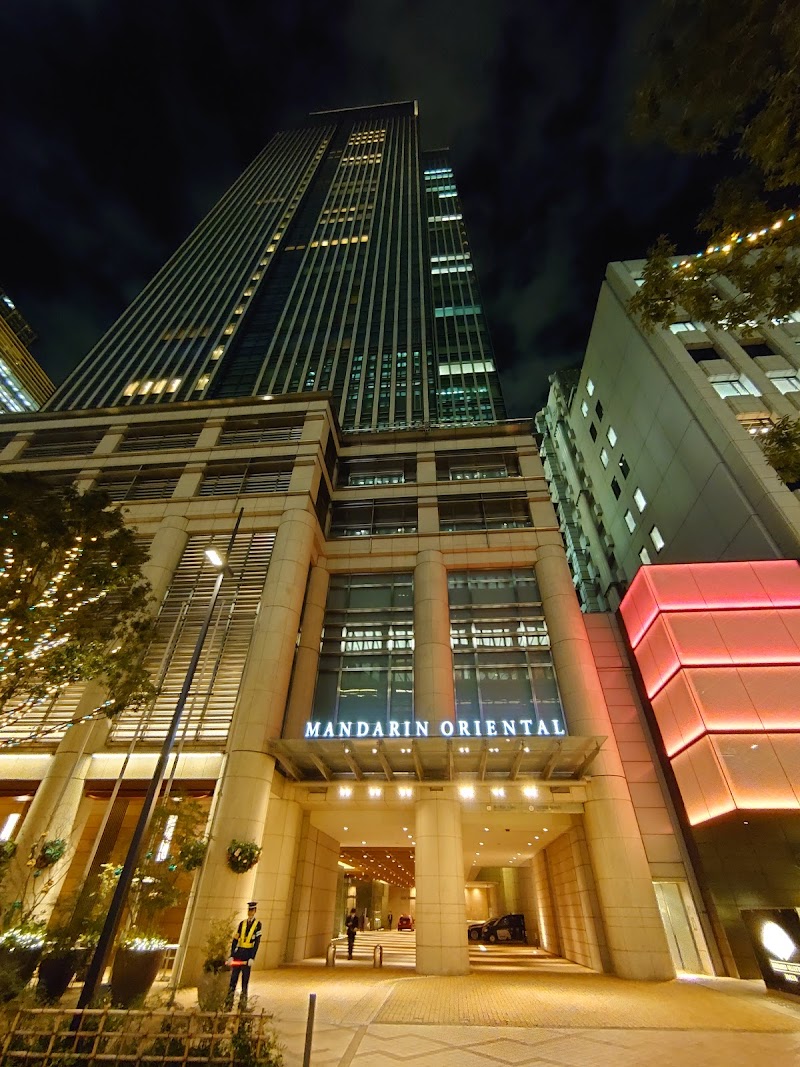
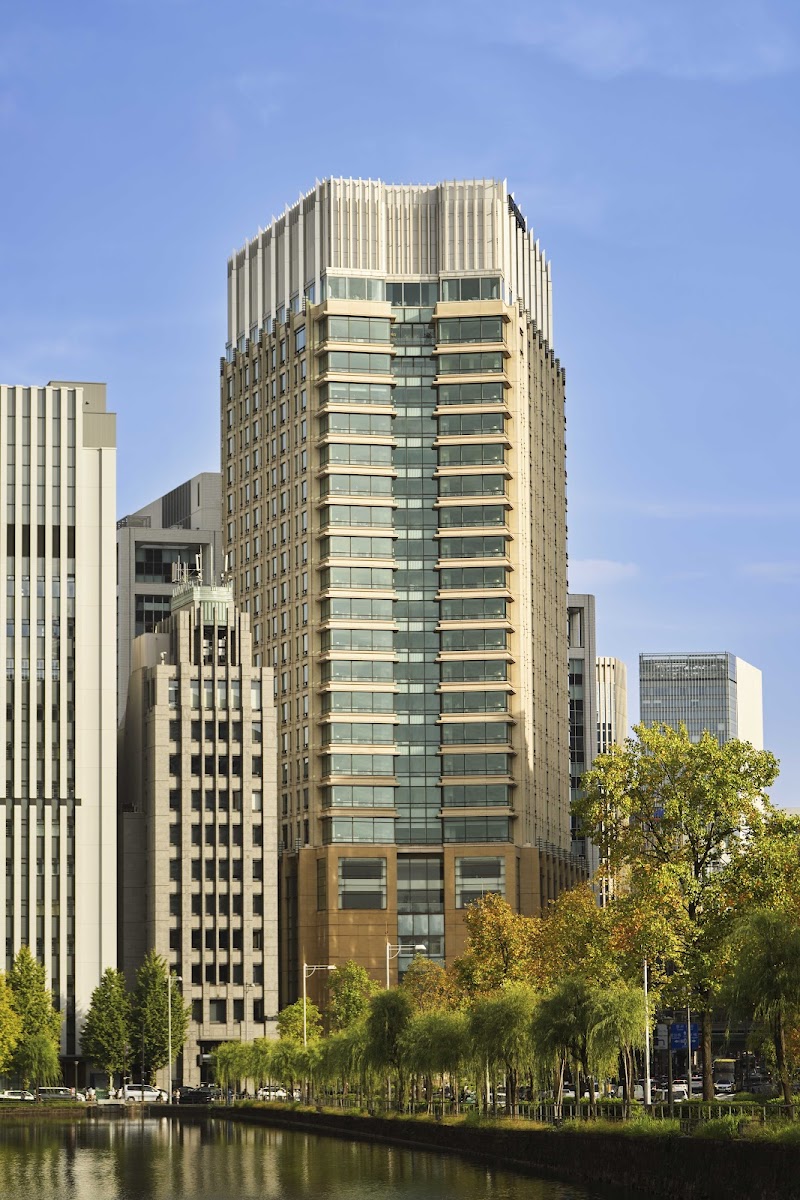
Rising above the Nihonbashi Mitsui Tower in the heart of Tokyo's historic merchant district, the Mandarin Oriental sits directly above a Michelin-starred dining destination in its own right — the Tapas Molecular Bar and Cantonese restaurant Sense have both held stars for years. Nihonbashi itself is a foodie district of quiet genius: the basement of the adjacent Mitsukoshi department store stocks the most extraordinary curated Japanese food hall in the city. Tsukiji is a 15-minute taxi ride; the Ginza omakase strip is under 20 minutes on foot.

  • On-Site Michelin Dining
  • Department Store Food Hall
  • Business
Check Availability
Park Hyatt Tokyo — Nishi-Shinjuku
$$$ Upscale
★ 9.1 Superb

Nishi-Shinjuku

Park Hyatt Tokyo

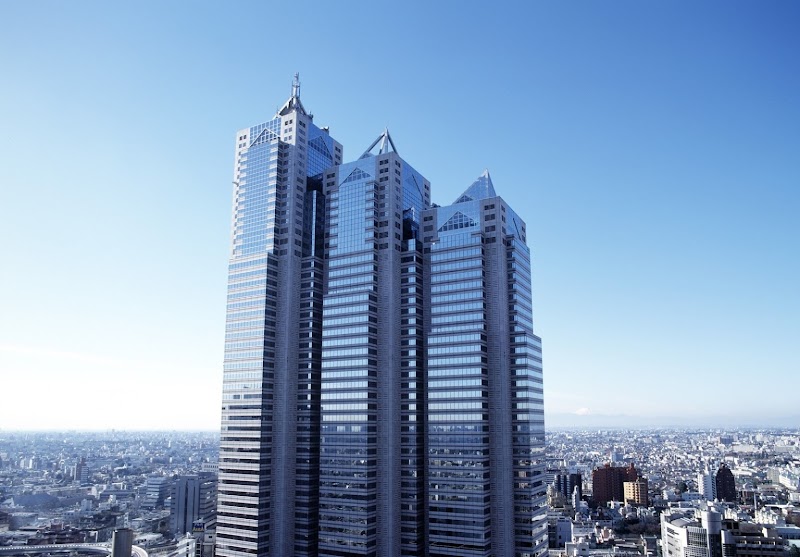
Immortalized by Sofia Coppola's Lost in Translation, the Park Hyatt occupies floors 39–52 of the Shinjuku Park Tower and remains one of Tokyo's most atmospheric addresses. The New York Bar on the 52nd floor is worth the visit for the view alone, but the real food prize is the location: Shinjuku's Takashimaya and Isetan depachika food halls are minutes away, Fuunji ramen is a short walk, and Golden Gai's labyrinthine bar scene is reachable on foot. The hotel's own Girandole restaurant serves a European breakfast that competes with anything in the city.

  • Golden Gai Access
  • Iconic Shinjuku
  • Atmospheric Bar
Check Availability
The Okura Tokyo — Toranomon / Azabu
$$$ Upscale
★ 9.0 Superb

Toranomon / Azabu

The Okura Tokyo

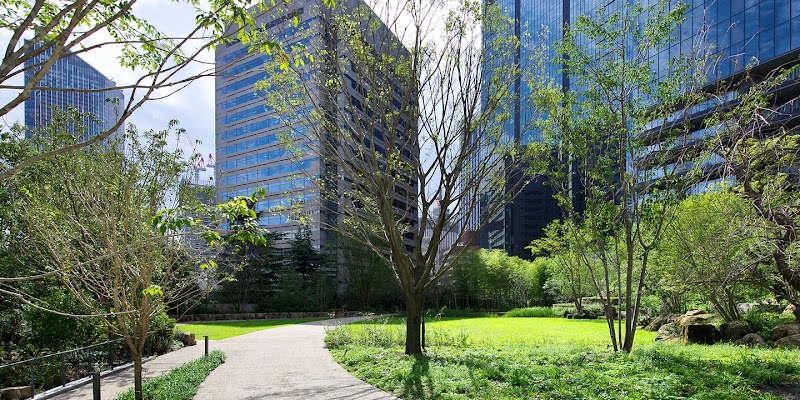
The Okura is a Tokyo institution — redesigned in 2019 but retaining its mid-century Japanese soul, it sits in the embassy district between Toranomon and Azabu where many of the city's most discreet high-end restaurants operate. The hotel's own Yamazato restaurant holds a Michelin star for its kaiseki cuisine, and the Orchid Bar is one of the finest classic cocktail programs in Japan. The Nishi-Azabu and Hiroo dining strips — home to Florilège, Narisawa, and dozens of under-the-radar French-Japanese bistros — are a short cab ride away.

  • On-Site Kaiseki
  • Embassy District
  • Classic Tokyo
Check Availability

Common Questions

Frequently Asked Questions

Which Tokyo neighborhood is best for food lovers?

Ginza and Tsukiji offer the densest concentration of world-class dining, from $500 omakase counters to legendary breakfast sushi. Shinjuku's Golden Gai and depachika food halls are unmissable, while Ebisu and Daikanyama host the city's most exciting chef-driven bistros. Most serious food travelers stay in Ginza or Shinjuku for central access.

Do Tokyo hotels help with restaurant reservations?

Yes — concierge services at the major luxury hotels (Aman Tokyo, The Peninsula, Mandarin Oriental) have established relationships with reservation-only omakase restaurants. Some of Tokyo's best counters don't take public reservations at all and rely entirely on hotel or trusted-introducer referrals. This is one of the best arguments for staying at a top hotel in Tokyo.

Is it easy to find good food near luxury Tokyo hotels?

Absolutely. Even the hotel neighborhoods themselves — Marunouchi, Ginza, Nishi-Shinjuku — are packed with excellent restaurants at every price point. Japan's convenience stores (7-Eleven, FamilyMart) also serve genuinely good food around the clock, so you'll never go hungry.

What is the best time to visit Tokyo for food?

Spring (March–April) brings sakura-themed kaiseki menus and seasonal ingredients like bamboo shoot and cherry blossom. Autumn (October–November) is peak season for matsutake mushroom and Pacific saury. Summer offers fresh eel (unagi) and cold soba in abundance. Each season transforms restaurant menus dramatically.

Are there good budget food options near Tokyo's top hotels?

Tokyo is unique among world capitals in that its budget food (ramen from ¥900, conveyor sushi, standing soba bars) is genuinely outstanding. Near any major hotel, you can eat brilliantly for under ¥2,000 per meal. The city's depachika food halls and covered shotengai shopping streets always have excellent options.

Ready to book Tokyo?

Prices and availability change daily. Lock in the best rate by booking early — most of our top picks offer free cancellation.

View All Tokyo Hotels