Monti — Rome's first rione, the ancient Suburra district of Imperial Rome — occupies the Esquiline Hill between the Colosseum and the Termini station. It was one of the most densely populated and socially diverse districts of ancient Rome, home to poets (Horace reportedly grew up here) alongside dyers, leather workers, and the full spectrum of the Empire's social pyramid. Today it retains that democratic eclecticism: artist studios beside wine bars beside elderly Roman families who have lived in the same apartment for fifty years.
The neighborhood's revival began in the 1990s, driven by the same creative-class migration that transformed Brooklyn and Shoreditch. Young artists and designers took over workshops and studios, followed by the vintage clothing shops, artisan jewelers, and natural wine bars that now define the Via del Boschetto and Via Urbana corridors. Monti today feels like the authentic Rome that many visitors imagine but rarely find — genuinely inhabited, not performed.
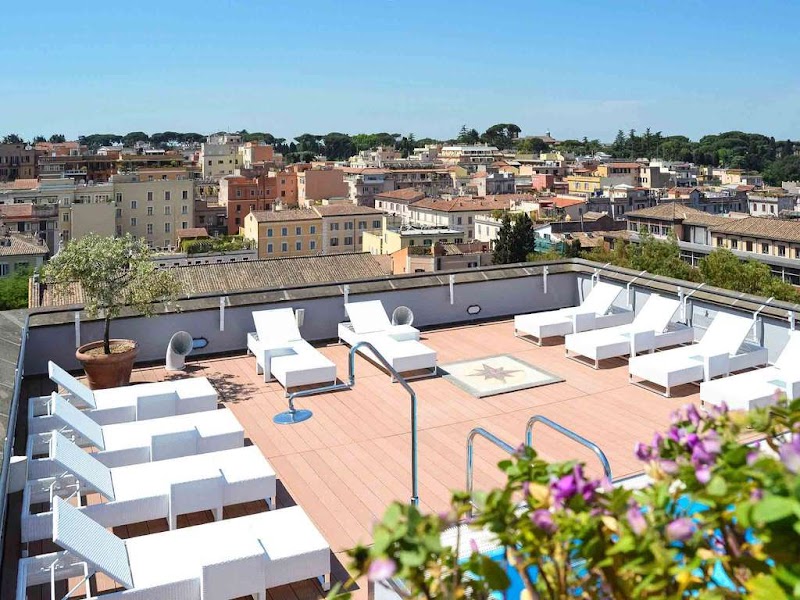
For hotel stays, Monti occupies an interesting position: close enough to the Colosseum and Roman Forum to make those monuments a genuine 10-minute walk, far enough from the tourist corridor to feel residential. The neighborhood has limited traditional hotel infrastructure — most accommodation is in small guesthouses, B&Bs, and apartment-hotel hybrids that have flourished in the converted palazzi — but the handful of proper hotels that operate here are excellent.
The dining and drinking scene in Monti centers on two parallel streets: Via del Boschetto (more restaurant-focused) and Via Urbana (the wine bar and aperitivo corridor). Pigneto, the adjacent neighborhood to the east, has the most interesting cocktail bars in Rome. The walk from Monti to the Colosseum takes 10 minutes; to the Pantheon, 30 minutes on foot through streets that pass Trajan's Forum and the Vittorio Emanuele monument.