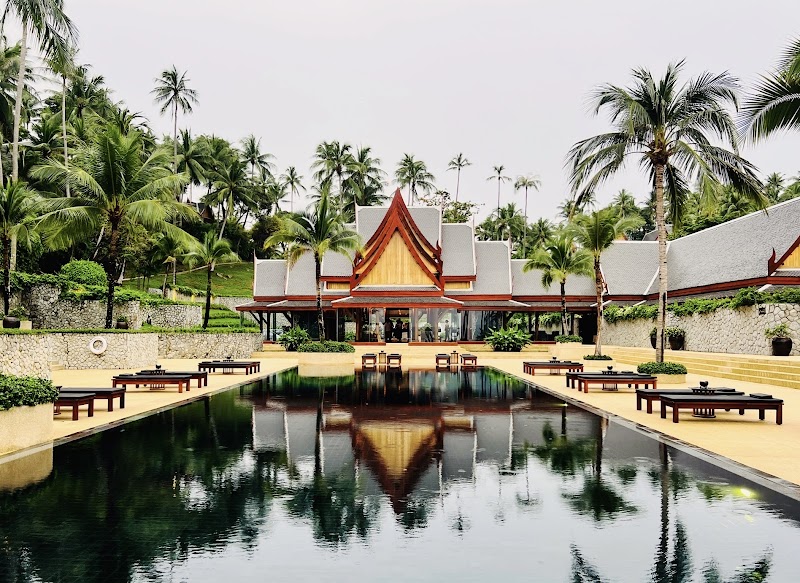
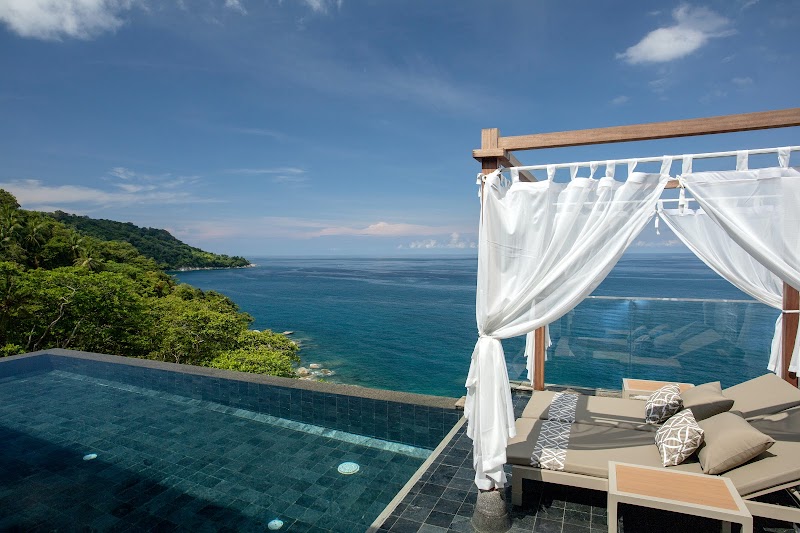
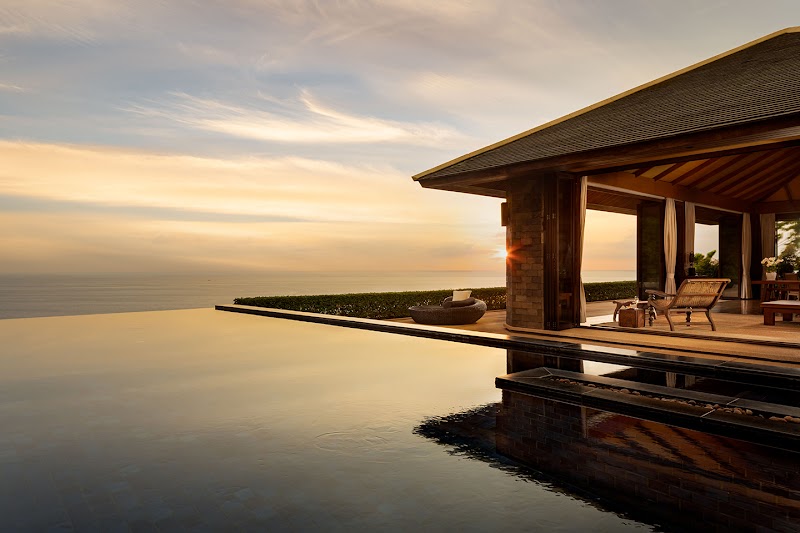
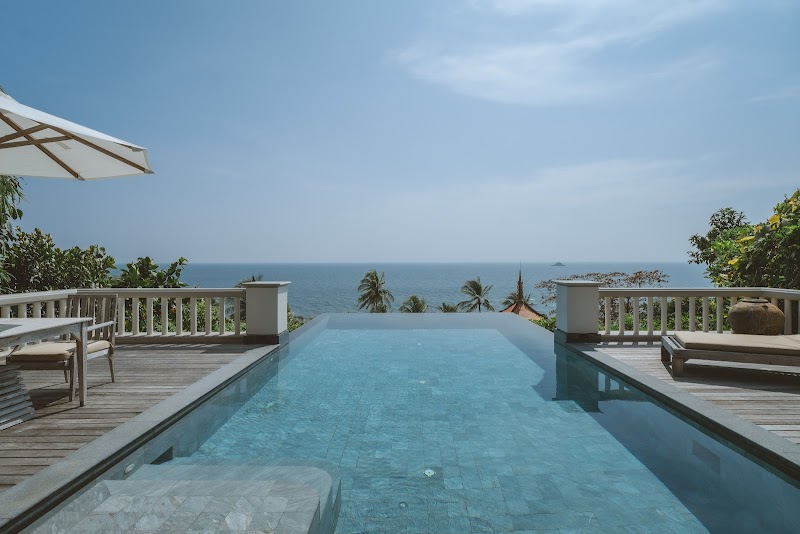
Phuket's topography is essential to understanding its views. The island is not flat — it has a mountainous central spine and a series of dramatic headlands and promontories that divide the west coast's beaches into discrete coves: Kamala, Surin, Bang Tao, and Laguna to the north; Patong (the most developed) in the center; Karon, Kata, and Kata Noi to the south; and the extraordinary Phromthep Cape promontory at the island's southernmost tip where the full Andaman panorama is revealed.
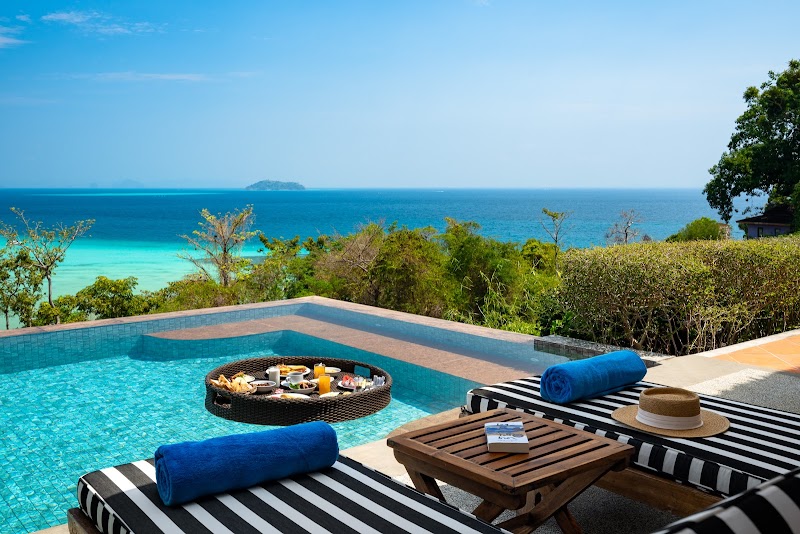
The west coast's evening views are the island's defining visual experience — the sun sets over the Andaman Sea from Phuket's west-facing beaches and headlands in a display that begins at 5:30pm (winter) to 7pm (summer) and transitions through the full sunset color spectrum. The high-season pilgrimage to Phromthep Cape for sunset (November to April) draws hundreds of visitors, but the view from a private infinity pool in a hillside hotel above Kata Beach or Surin — with the sea below and the limestone islands in silhouette — is the premium version of this experience.
Phang Nga Bay, accessible by boat from the north coast of Phuket, offers the island's most dramatic geological views — the bay's limestone karst islands (James Bond Island, Koh Panyee, Ko Tapu) rise vertically from the water in shapes that appear sculptural rather than natural. Hotels on Phuket's north coast near Ao Po or Natai Beach have early-morning bay views on clear days, and the various boat tours departing from Bang Rong pier provide access to the bay's full visual drama.
Phuket Town, the island's historic Chinese-Portuguese shophouse district on the east coast, provides a completely different visual context — looking east across the Pak Bang Strait toward the mainland's mountains and across the mangrove coastline that the west coast's beach development obscures. The Old Town's Sino-Portuguese architecture, with its ornate facades and inner courtyards, is increasingly recognized as one of Southeast Asia's most distinctive architectural ensembles, and the boutique hotels embedded in these buildings have views of the historic streetscapes that beach-resort hotels cannot offer.
The Kata-Karon viewpoint (accessible by road or motorbike from Kata Noi) provides the most complete Phuket view: the arc of three connected bays (Kata Noi, Kata, Karon) visible simultaneously from a headland that also faces southwest toward open Andaman sea. This free viewpoint, 169 meters above the beach, is the best-known vantage point on the island outside Phromthep Cape and provides the context for understanding Phuket's beach geography.