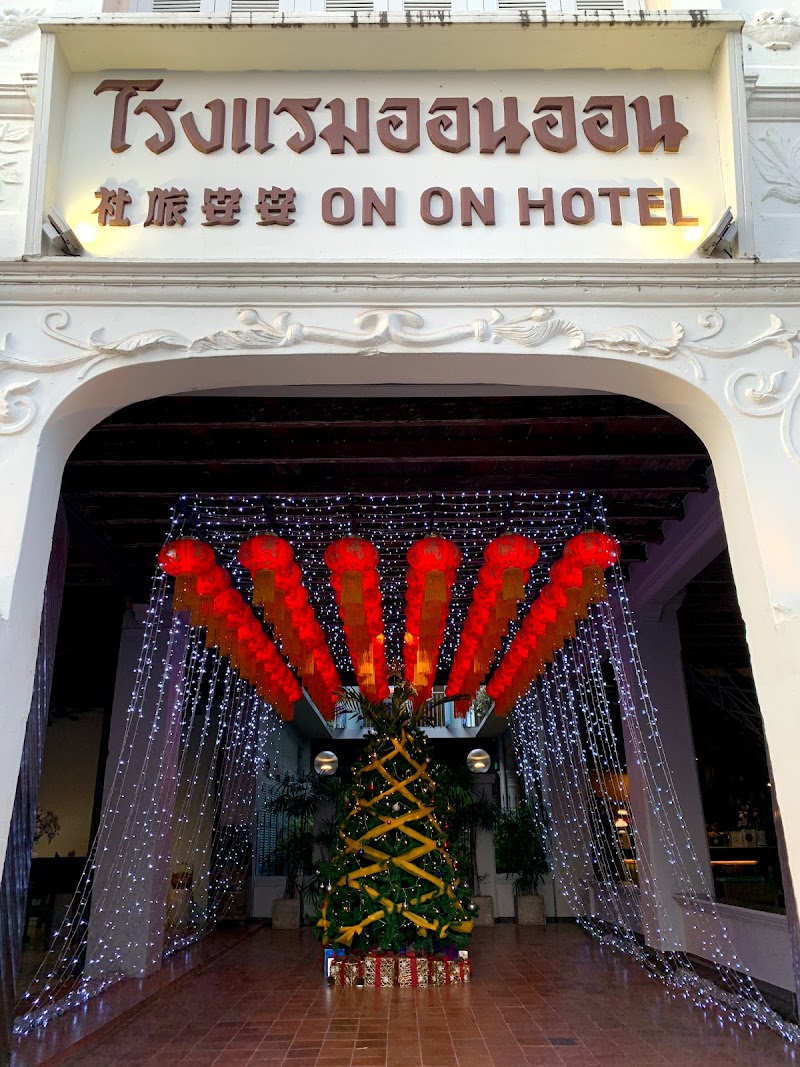
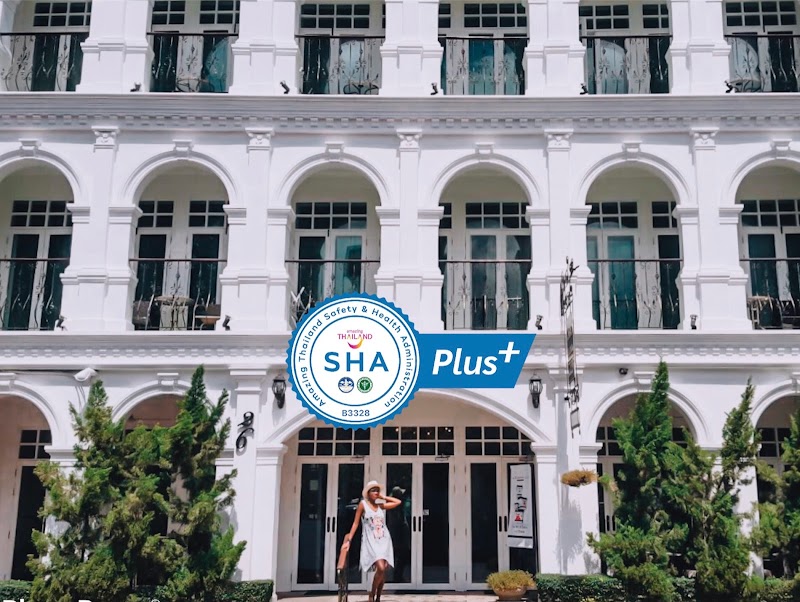
Phuket Town — the island's historic capital — is the unlikely center of Phuket's finest boutique hotel scene. The Sino-Portuguese shophouse architecture along Thalang Road, Dibuk Road, and Soi Rommani is among the best-preserved in Southeast Asia, and a cluster of design-conscious owners have spent the past decade converting these century-old buildings into genuinely atmospheric small hotels. Walking the old town in the morning, stopping for coffee at one of the traditional kopitiam coffee shops, and discovering these properties tucked between art galleries and antique shops is one of the great pleasures of Phuket travel.
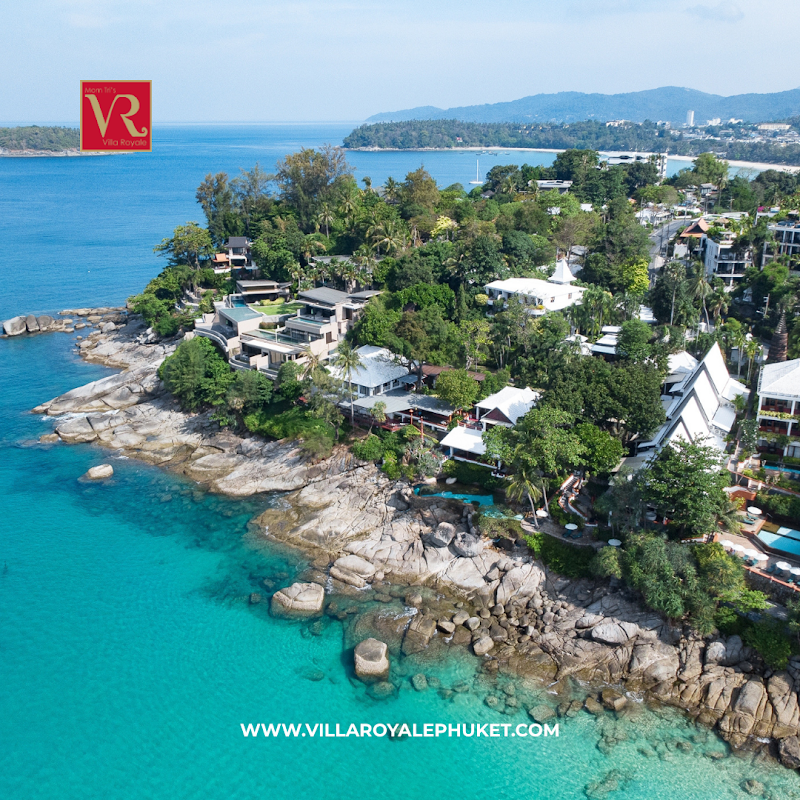
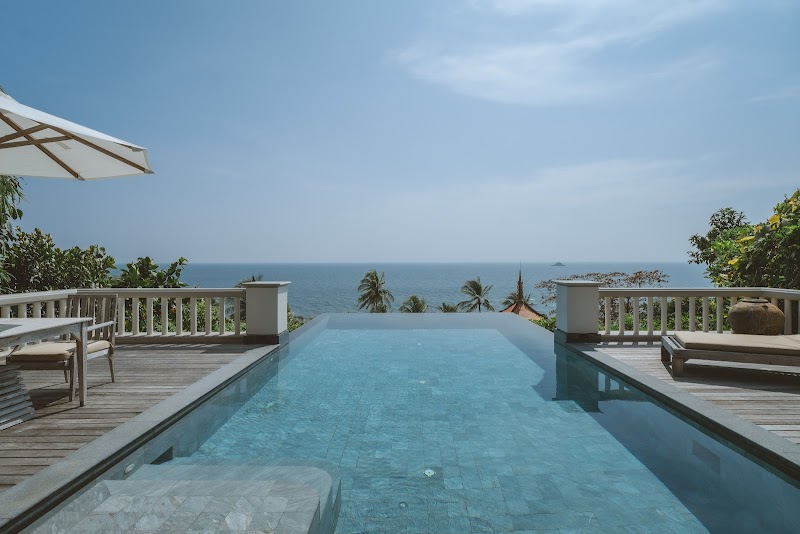
Kata Noi and Kata Yai, on the southwest coast, are Phuket's most scenically beautiful beach areas — twin bays separated by a rocky headland, with calmer seas than Patong and a more relaxed demographic mix of families, divers, and independent travelers. The hillside roads above Kata have become home to a cluster of boutique villas and small hotels that exploit dramatic elevation for sweeping ocean views. The trade-off is that reaching the beach requires either a walk (steep) or a motorbike taxi, but the seclusion justifies the effort.
Surin Beach and Kamala, on the middle west coast, occupy a middle ground between the mass-tourism intensity of Patong and the quieter south. Surin in particular has attracted some of Phuket's most sophisticated dining — Catch Beach Club, Bampot Kitchen & Bar, and the acclaimed The Surin Phuket resort set the tone for a beach area that has positioned itself carefully as an alternative to Patong's chaos.
Phang Nga Bay, accessible by longtail boat from various Phuket piers, is strictly speaking off the island but within easy reach of northern Phuket. The bay's limestone karst islands, mangrove channels, and the spectacular James Bond Island environment have attracted a handful of extraordinary small eco-lodges and glamping properties that place guests directly within this Jurassic landscape. Staying overnight in the bay, rather than on a day trip from Phuket, transforms the experience entirely.
For the architecturally curious, Phuket Town's boutiques are the primary draw. These aren't hotels with Chinese antiques dotted around for atmosphere — they're buildings where the history is structural: glazed ceramic tiles from Guangdong, teak louvered shutters designed for tropical ventilation, and internal courtyards that channel evening breezes exactly as their original owners intended 120 years ago.