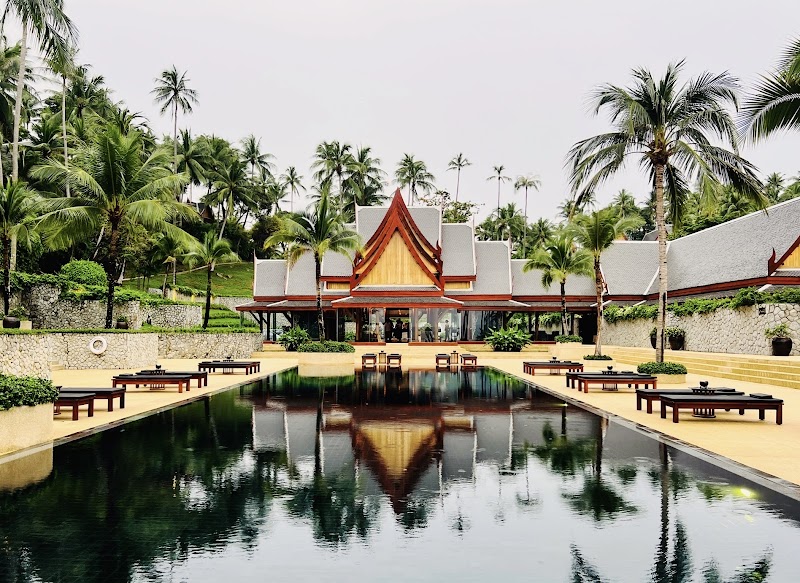
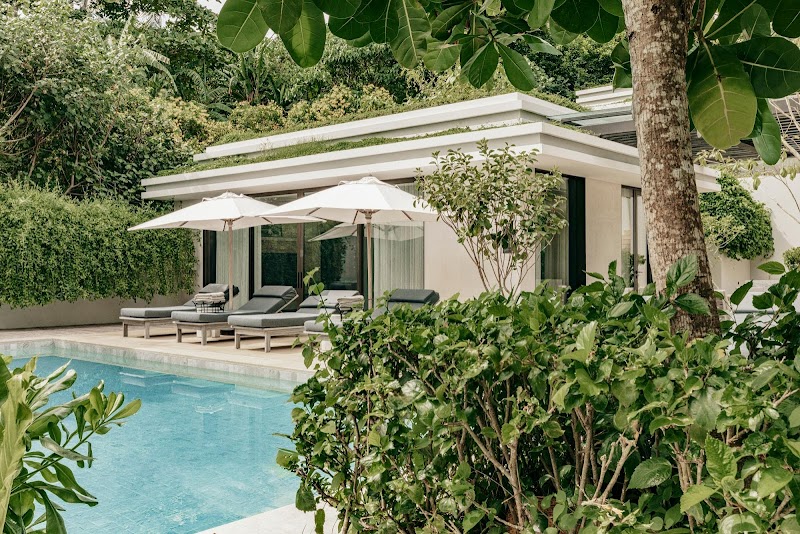
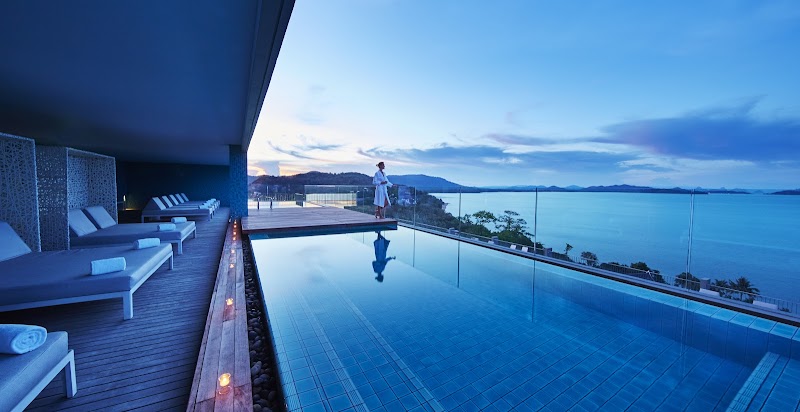
Phuket's luxury accommodation story begins in 1988 with Amanpuri, the resort that Adrian Zecha built on Pansea Beach and that established the vocabulary for high-end resort design across all of Southeast Asia. More than three decades later, the property still sets the standard — a seamless integration of architecture, landscape, and service that newer competitors have spent fortunes trying to replicate. The Aman formula (low density, total privacy, unhurried service) proved so influential that the entire premium end of Phuket's hotel market gravitates toward it.
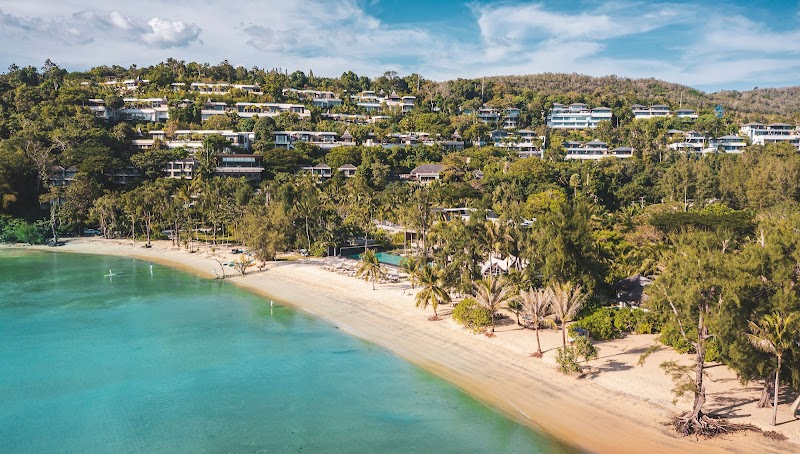
The geography of Phuket luxury follows a clear pattern. The island's west coast faces the Andaman Sea and delivers the best sunsets; virtually every top-tier resort is positioned to take advantage of this. The southwest — Patong's headlands, Kata, Kata Noi, and the capes below — concentrates the highest density of design-forward properties. The northwest and north (Nai Thon, Layan, Mai Khao) offer more space and fewer tourists, increasingly attracting brands seeking genuinely secluded sites. Cape Panwa in the southeast sits apart from the main tourist track, offering panoramic ocean views in multiple directions.
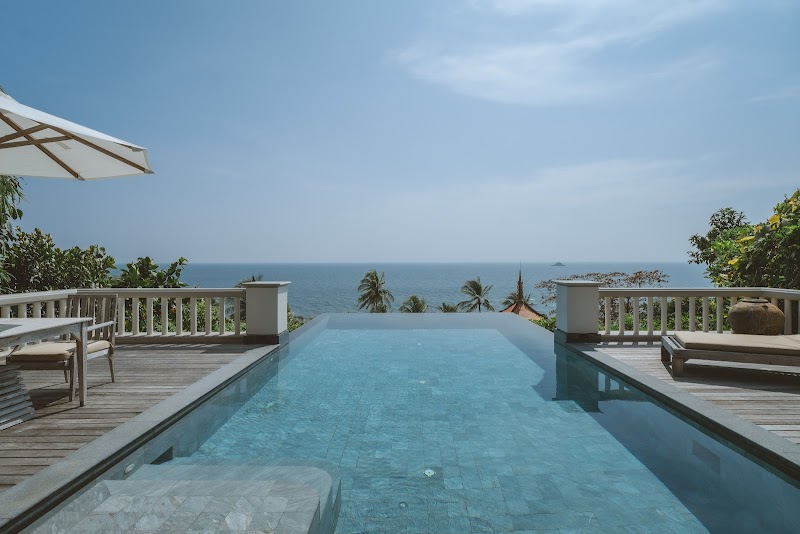
Trisara, in Phuket's less-developed northwest near Nai Thon Beach, is the island's best argument for seeking out less obvious locations. The resort occupies a private bay accessed by a steep private road, its pool villas cascading down the hillside with an intimacy that even Aman finds difficult to match. The PRU restaurant — a Michelin-starred farm-to-table operation growing much of its produce on the resort's own organic farm — elevates the culinary experience well beyond what most resort restaurants achieve. Staying at Trisara meaningfully feels like an escape rather than a luxury performance.
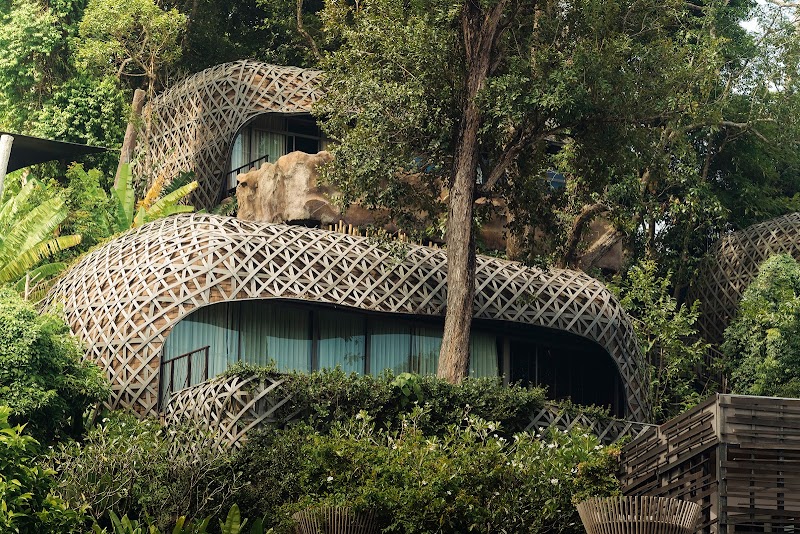
Keemala, above Kamala Beach, represents a different kind of luxury — theatrical, architecturally adventurous, and spa-centric. The 38 villas and pool tents are built into a rainforest canopy, each themed around a mythical clan with distinct design vocabularies. The property's Mala Spa is one of Thailand's most celebrated, and the combination of Ayurvedic treatments, Thai herbal therapies, and a genuinely tranquil natural setting makes it the island's best dedicated wellness retreat. This is Phuket for travellers who want their luxury to come with meaning.
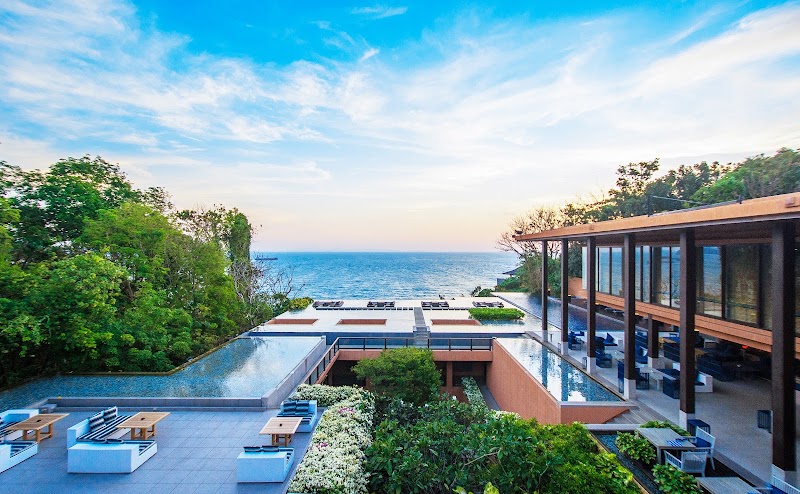
Rosewood Phuket at Emerald Bay and Como Point Yamu on the Cape Yamu peninsula both represent the newer generation of Phuket luxury — properties built with global brand standards and strong design briefs but capable of delivering local character alongside five-star reliability. Rosewood's Asaya spa and the beach club at the foot of the cliff are excellent; Como's Italian-Thai fusion restaurant makes the most of the peninsula's seafood access.
For those whose budget extends into Amanpuri's range (villas start well north of $2,000 per night in high season), the experience is genuinely transformative. The coconut grove setting, the private beach, the teak pavilions hovering between the trees: it's the template for a reason. Book well in advance — the property has only 40 pavilions and 30 villas and fills months ahead of the December-to-March high season.
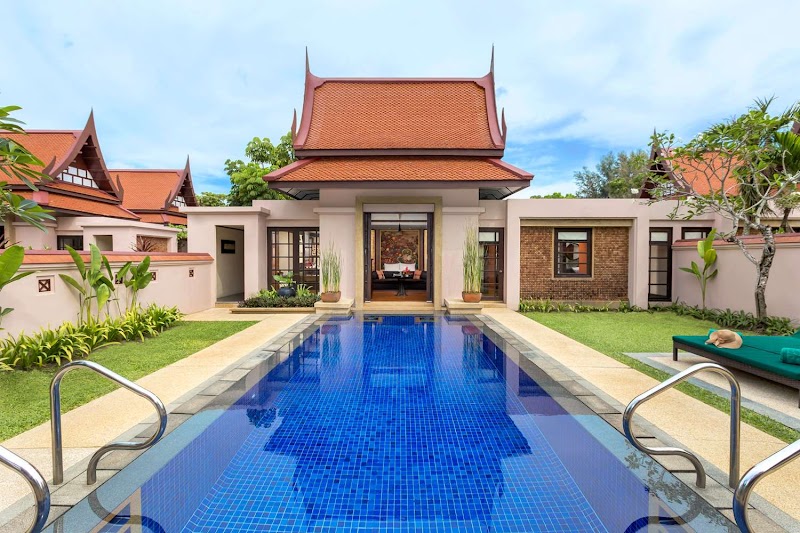
Banyan Tree Phuket in Bang Tao Bay offers a slightly different luxury proposition — a comprehensive spa resort with larger villa footprints, its own lagoon, and strong family infrastructure alongside the romance-focused amenities. The Banyan Tree Spa is the brand's flagship and among the best in Asia. Bang Tao Bay is also home to the Laguna Phuket complex, which allows guests to access multiple resort properties within a single beachfront development.
Timing matters significantly for luxury Phuket stays. The November to April dry season delivers reliably clear skies, calm seas, and peak prices. May to October brings the southwest monsoon — lower rates, lush green landscapes, and the Andaman Sea's famous emerald colour — but some beach activities are restricted by swells. The most value-conscious luxury window is May to June or October to November, when prices drop 30–40% from peak but conditions remain generally excellent.