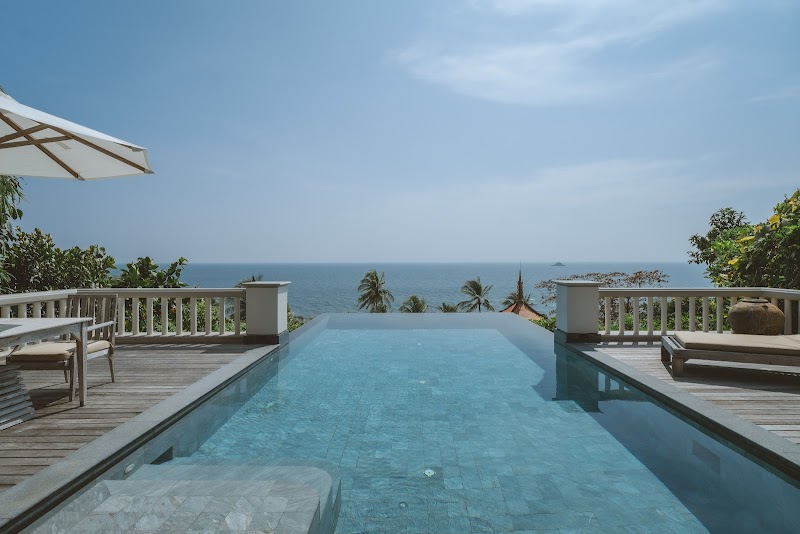
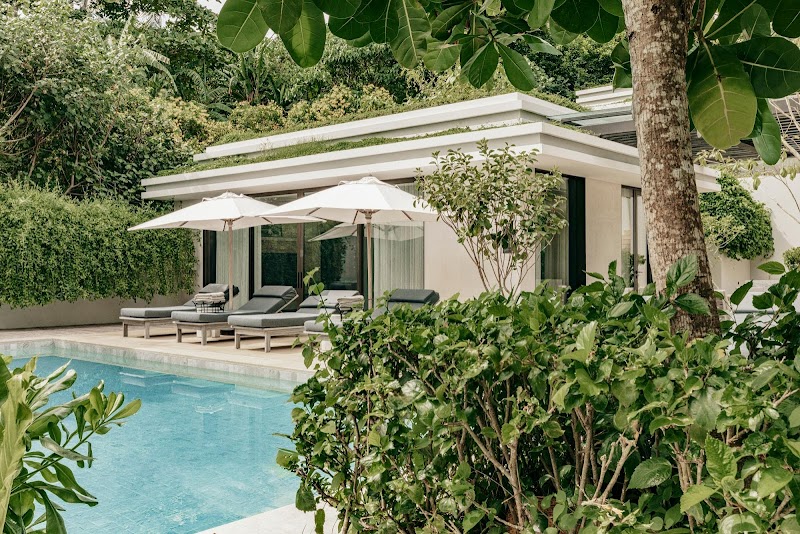
Phuket's geography is the key to understanding its honeymoon potential. The island sits in the Andaman Sea off Thailand's southern peninsula, with a mountainous interior jungle spine separating the developed west coast beaches from the quieter east coast and the extraordinary Phang Nga Bay to the north. The west coast beaches — Patong, Kata, Karon, Surin, Kamala, Nai Thon — are what most visitors picture, and the variation between them is enormous: Patong is Thailand's most developed beach resort town, loud and relentlessly commercial; Surin is sophisticated, expensive, and understated; Nai Harn in the south is perhaps the finest of all — wide, protected, and frequented more by Phuket residents than tourists.
The Phang Nga Bay experience is central to any honeymoon at the northern end of the island. The bay's 40+ limestone karst islands — some rising 300 meters from flat water, jungle-crowned and vertical-faced — create an environment of alien beauty that the James Bond Island photographs have made globally recognizable but still fail to convey at scale. A private longtail boat from Royal Phuket Marina or Ao Po Grand Marina into the bay at dawn — before the tour boats arrive — takes honeymooners into sea caves, mangrove channels, and the still-water lagoons between the karstswheel channels that are entirely otherworldly.
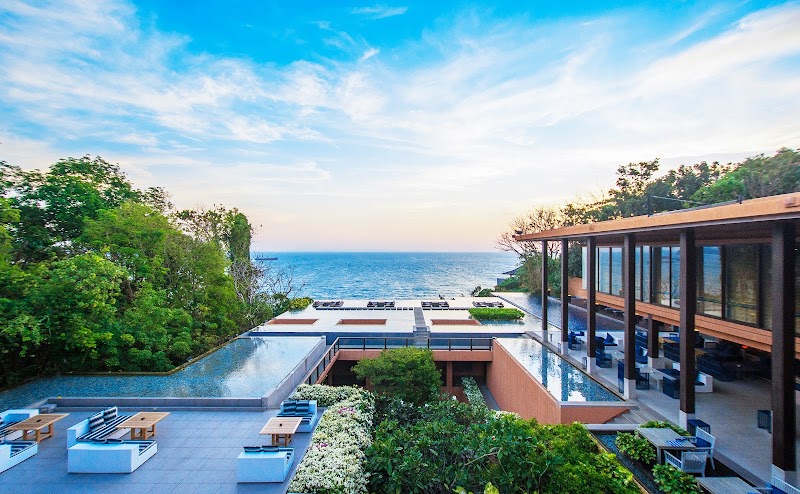
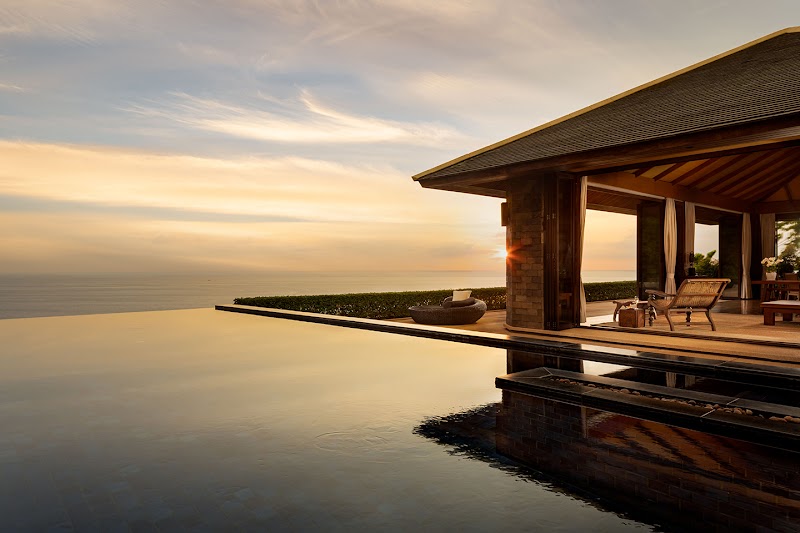
The Bukit Peninsula at Phuket's southern tip has attracted the island's most architecturally ambitious hotels — clifftop properties above Kata Noi, Nai Harn, and Rawai that exploit the dramatic topography to create infinity pools and dining terraces with sea views of extraordinary reach. The road here is difficult — switchbacks on limestone cliffs — but the reward is a seclusion that feels genuine even in Phuket's most-visited season. The sunset from any of the Bukit's elevated positions, with the Andaman Sea catching the last light and Phang Nga Bay visible to the north, is one of Southeast Asia's great natural spectacles.
Phuket Town's Sino-Portuguese heritage district is often overlooked by honeymoon visitors focused on beaches, and this is a missed opportunity. The Old Town's Thalang Road, Dibuk Road, and Phang Nga Road contain a remarkable collection of 19th-century shophouses, Peranakan mansions, and clan houses whose architectural heritage reflects Phuket's Chinese tin-mining prosperity. The monthly First and Last Sunday Walking Street market closes these streets to traffic and opens them to food, craft, and local performance — but the architecture is compelling on any morning walk, particularly with coffee from one of the traditional kopitiam cafes on Dibuk Road.
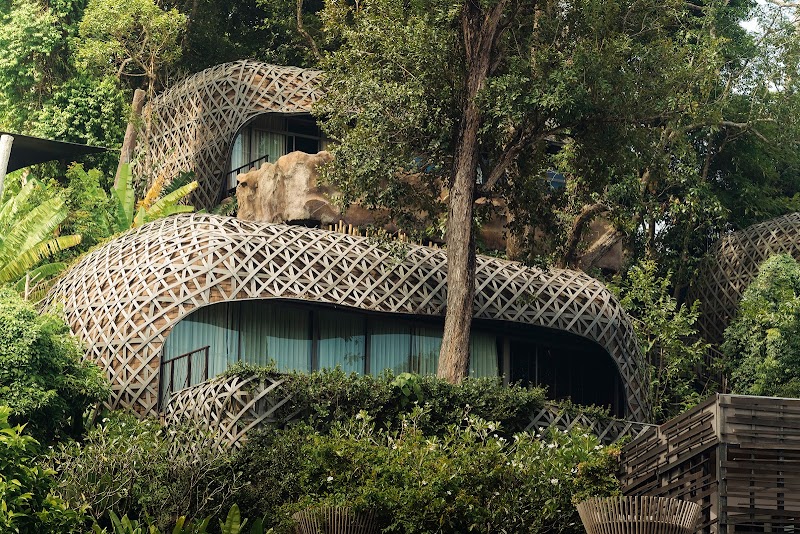
Thai massage and spa culture in Phuket reaches its most refined at the island's premier properties. The Trisara's PRU restaurant — a Michelin-starred farm-to-table experience in a tropical garden — and the Keemala's spa, where treatments are conducted in pavilions suspended above the jungle, represent a Phuket that has outgrown its package holiday origins and become one of Southeast Asia's most serious luxury destinations. Evening spa rituals for couples — traditional Thai herbal compress massage, followed by an outdoor bath in a flower-filled stone tub — are a Phuket honeymoon essential available at most boutique and luxury properties.