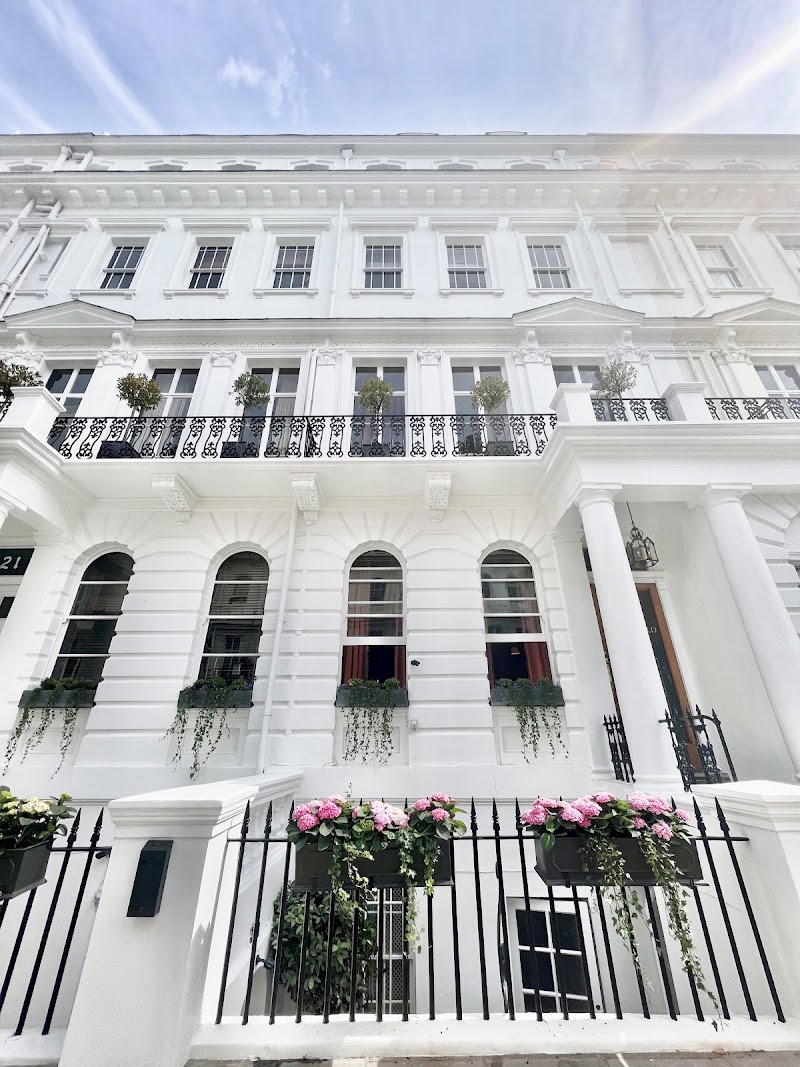
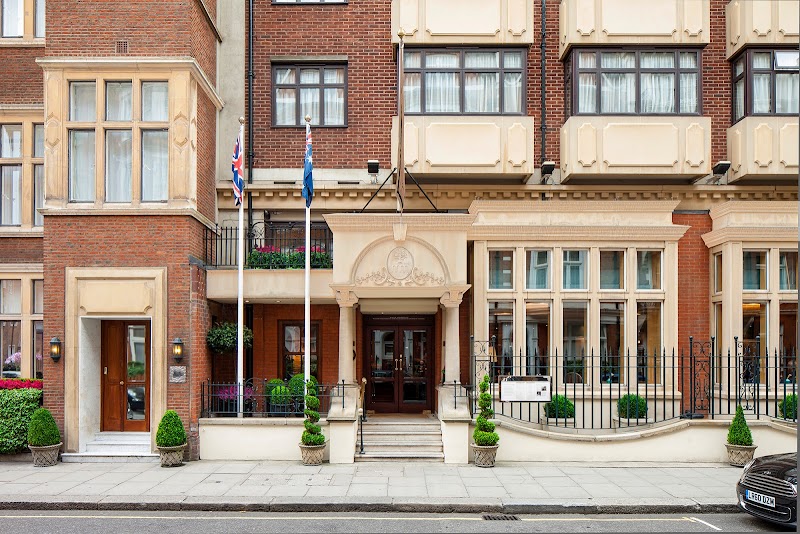
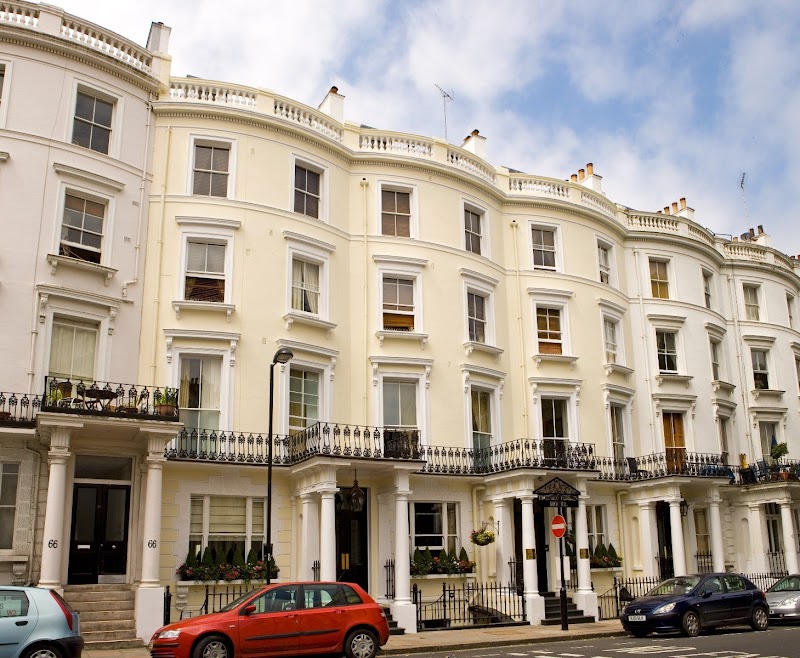
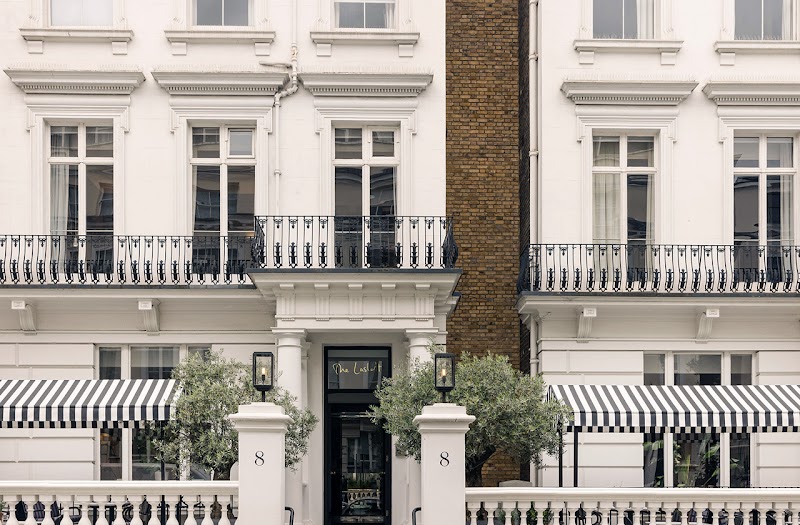
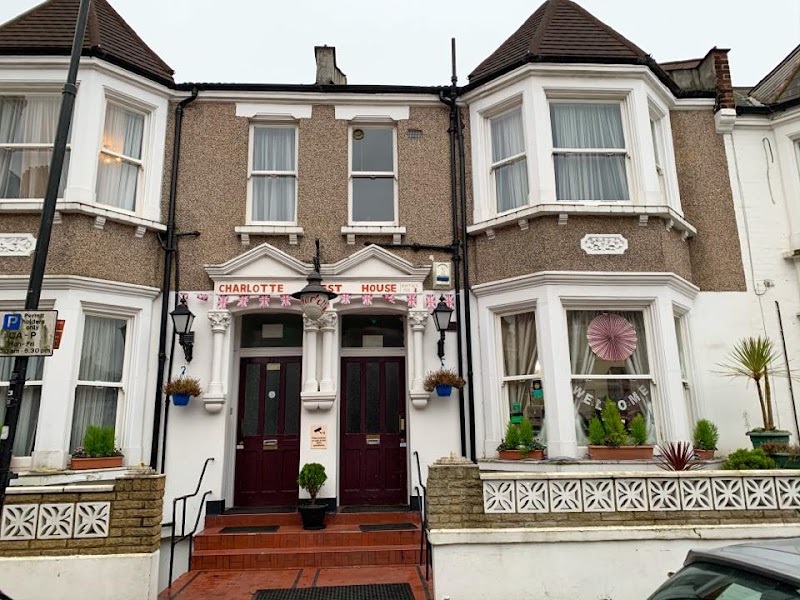
Notting Hill's hotel landscape is defined by the same residential architecture that makes the neighbourhood so visually distinctive: stucco-fronted Victorian terraces painted in the candy-box colours that have made the Portobello Road area one of the most photographed urban environments in the world. Most hotels here are in converted townhouses of 20–50 rooms — the neighbourhood's streets don't accommodate larger buildings — which produces an intimacy that the chain hotels of Bayswater (immediately south) cannot match.
Portobello Road market is the neighbourhood's major visitor draw: the antiques section (north of the Westway flyover) on Saturday mornings is among the world's finest for 19th and early 20th-century decorative arts, silverware, vintage clothing, and ceramics. The food market section (south, around Portobello Green) operates Thursday–Saturday and draws a local rather than tourist crowd. For hotel guests, the ability to walk to the market from their room rather than navigating transport is a genuine lifestyle advantage.
The Notting Hill Carnival — held on the August Bank Holiday weekend (the last weekend of August) — transforms the neighbourhood into the largest street festival in Europe: 2.5 million attendees, 40 sound systems, and the Caribbean energy that the neighbourhood has hosted since the 1950s. Hotels in Notting Hill book up 6–12 months in advance for Carnival weekend and charge a significant premium; booking outside this period offers the best value and the best version of the neighbourhood.
For restaurants and bars, Notting Hill punches above its size: The Ledbury on Ledbury Road (two Michelin stars, regularly listed among the UK's best restaurants), Ottolenghi on Notting Hill Gate (the original café of the chef who transformed British eating habits), and the Electric Diner on Portobello Road are all within a 10-minute walk of most neighbourhood hotels.