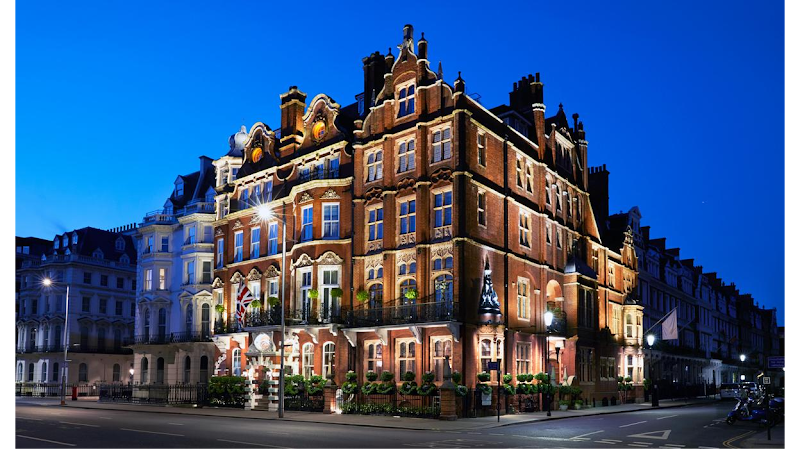
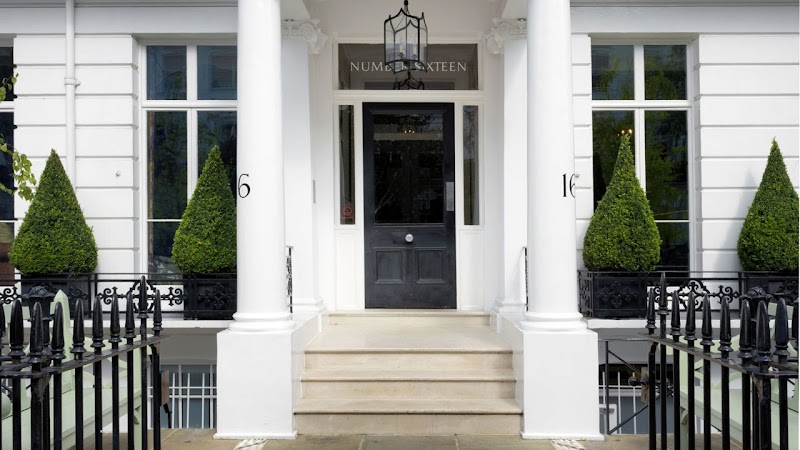
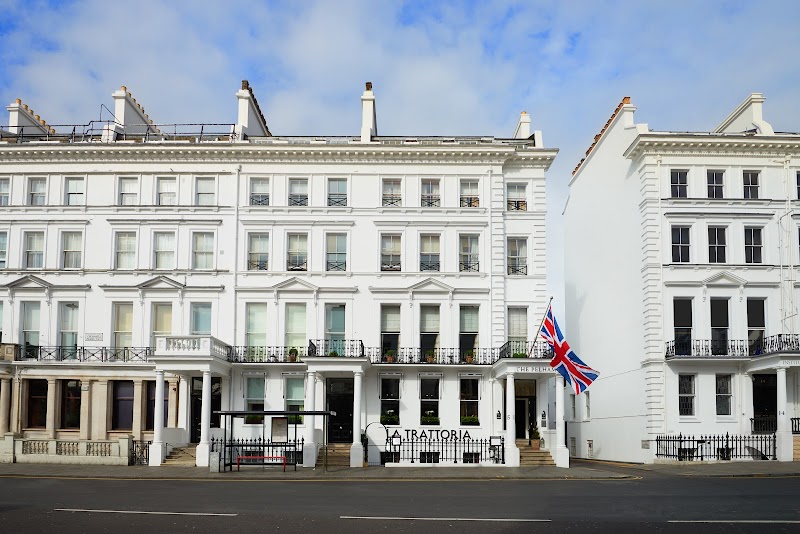
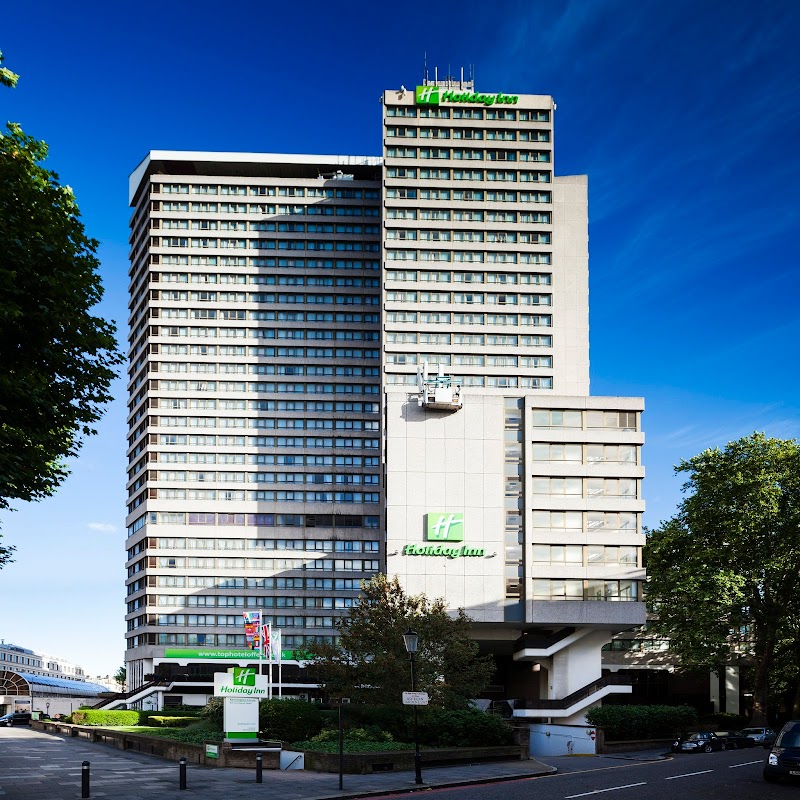
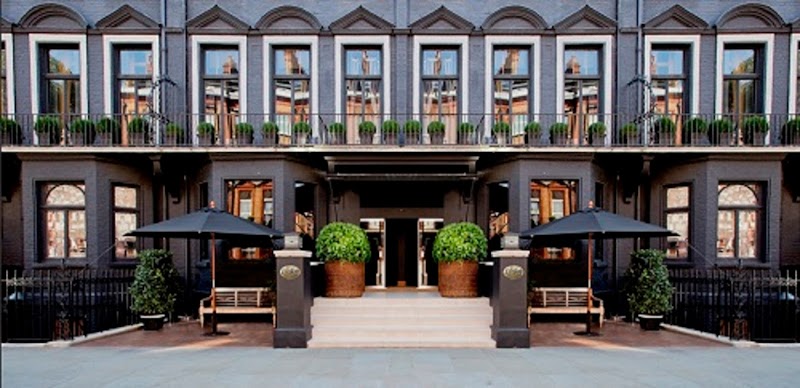
The Kensington hotel landscape is defined by its Victorian terraced hotels and converted townhouses — properties that were built as private residences for the wealthy professional classes who colonised the area after the Great Exhibition of 1851 and have since been converted into hotels of various sizes and quality levels. The best — the Pelham, the Number Sixteen, the Milestone Hotel — retain the residential feeling of their original incarnation while providing genuinely professional hotel services.
The museum zone geography is Kensington's primary attraction for hotel guests. Exhibition Road, which connects the Natural History Museum, the Science Museum, and the V&A in a single straight line, is one of the world's most extraordinary cultural corridors — three institutions of world class within 500 metres, all free, all within walking distance of every hotel in the neighbourhood. For families, for design professionals, for anyone interested in natural history or decorative arts, this concentration is unsurpassed.
Kensington High Street provides the neighbourhood's commercial infrastructure: John Lewis, Whole Foods, a Waitrose, and a concentration of restaurants that includes some genuinely excellent options above the tourist standard. Clarke's Restaurant on Kensington Church Street (Sally Clarke's pioneering seasonal British restaurant, open since 1984) and Launceston Place on Launceston Place (modern British, Michelin-starred) represent the neighbourhood at its finest culinary register.
Hyde Park's southern edge runs along Kensington Gore — which means that most Kensington hotels are within a 10-minute walk of the Serpentine Gallery (free, regularly world-class contemporary art exhibitions), the Diana Memorial Playground, and the longest stretch of free public parkland in central London. This park access is a lifestyle amenity that no amount of hotel investment can replicate.