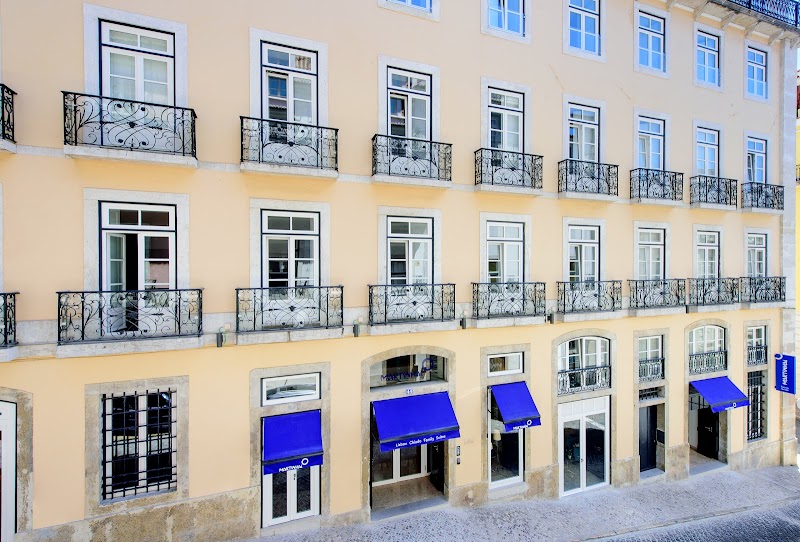
Chiado sits at the intersection of Lisbon's past and its contemporary cultural ambition. The neighbourhood was largely destroyed by a fire in 1988 and rebuilt over the following decade — a process that produced some of the city's best contemporary architecture alongside carefully restored historic facades. The result is a neighbourhood of exceptional density and variety: the Bertrand bookshop (founded 1732), the Museu do Chiado, the Teatro Nacional de São Carlos opera house, and some of Lisbon's finest restaurants and wine bars are all within a few hundred metres of each other.
For hotel guests, Chiado offers the best combination of authenticity and comfort in the city. The neighbourhood is central but elevated — a fifteen-minute walk downhill to the Praça do Comércio and the Tagus, ten minutes uphill to Príncipe Real and Bairro Alto. The famous Elevadors (funiculars) connect Chiado to the Baixa below and to various viewpoints above. The tram network serves the area well, with several lines connecting to the Alfama, Belém, and the eastern riverfront.
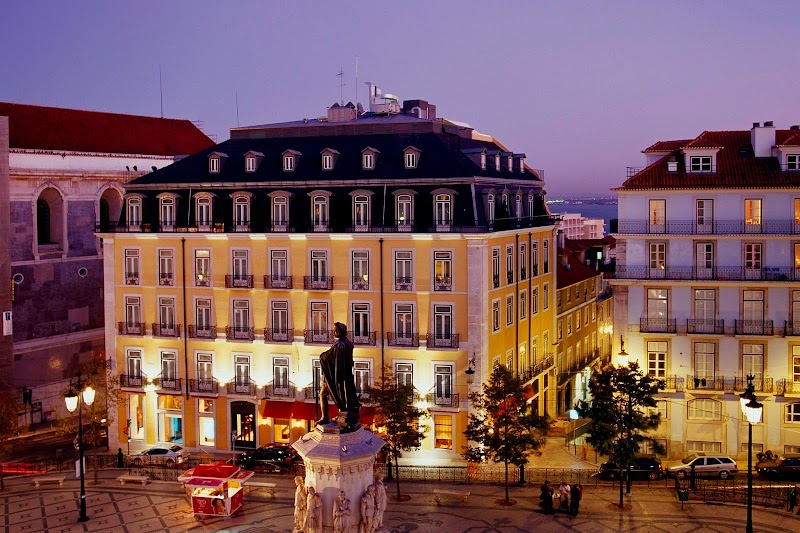
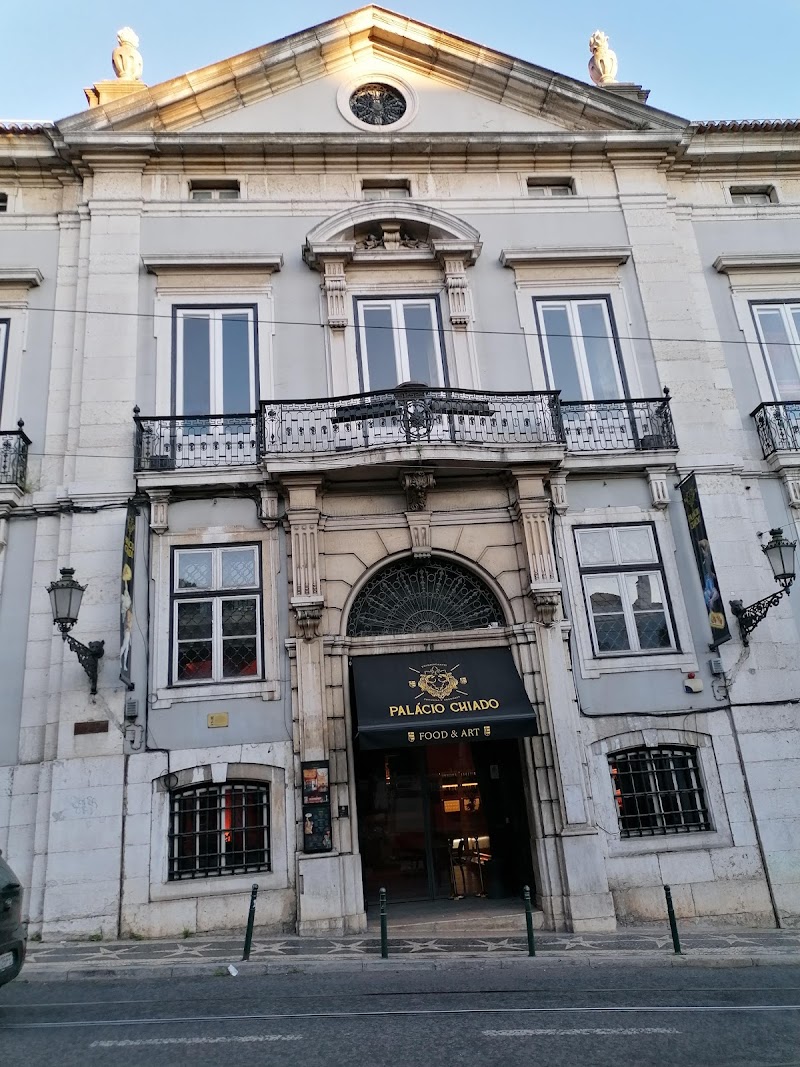
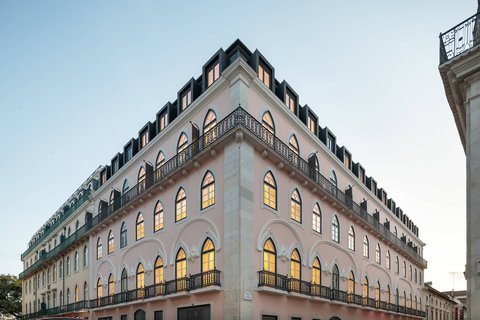
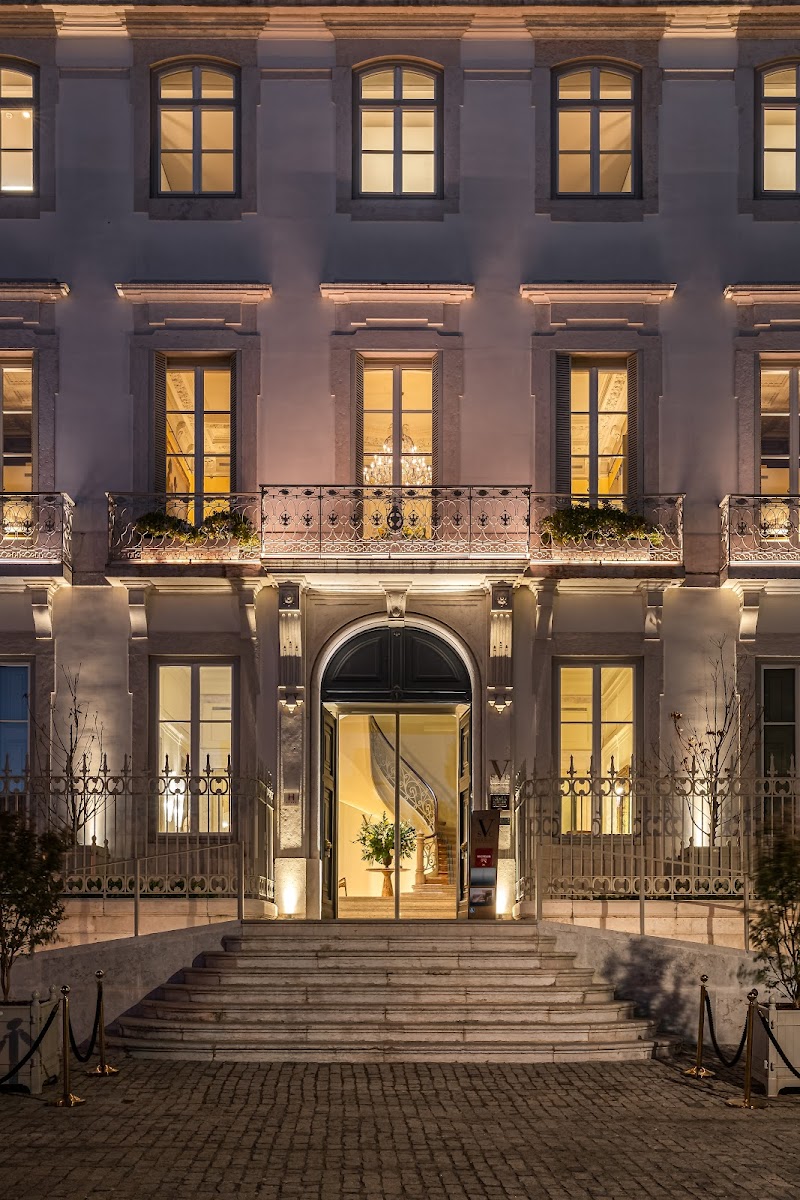
The Bairro Alto Hotel, sitting directly on the boundary between Chiado and Bairro Alto, represents the neighbourhood at its luxury apex. The building is a 19th-century palace; the terraces overlook the Tagus; the service is exceptional. The Palácio Chiado nearby offers a different kind of luxury — an 18th-century aristocratic palace now housing a restaurant and event space with boutique hotel accommodation of extraordinary character.
Dining in Chiado is excellent across all price points. Taberna da Rua das Flores for traditional Portuguese food; Belcanto (José Avillez's Michelin two-star) for contemporary Portuguese fine dining; and the new generation of natural wine bars (Garrafeira do Chiado, By the Wine) for informal evenings. The neighbourhood's café culture — Brasileira, A Cevicheria, Pharmácia — is also among Lisbon's finest.