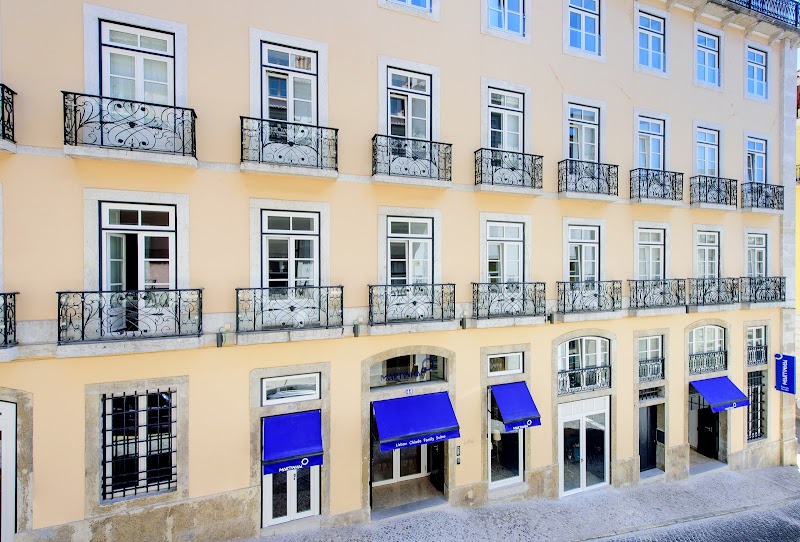
Bairro Alto sits on the hill west of Chiado, built in the 16th century as the city's first planned expansion beyond the medieval core. It was historically the neighbourhood of printers, intellectuals, and artists — the printing presses of Portugal's first newspapers occupied its streets — and this intellectual tradition persisted through the Salazar dictatorship in the form of underground fado houses and bookshops that served as informal meeting points for writers and dissidents.
The neighbourhood's modern reputation is built on its nightlife. From around 10pm, the narrow streets — too tight for cars — fill with Lisboetas moving between tascas and bars. This is not the tourist nightlife of Alfama's fado houses but something more spontaneous and local: friends standing on the street with glasses of wine from bars whose counter comes to a hatch in the wall. The density of drinking establishments is extraordinary — some blocks have four or five bars in as many buildings — yet the atmosphere remains distinctly neighbourhood rather than entertainment district.
By day, Bairro Alto is significantly quieter. The Príncipe Real border to the north is the city's most sophisticated shopping and café district. The Miradouro de São Pedro de Alcântara — a formal garden terrace with a long stone balustrade — offers one of Lisbon's signature views across the Baixa to the castle. The Igreja de São Roque, unremarkable from outside, contains one of the most extravagant baroque interiors in Portugal.
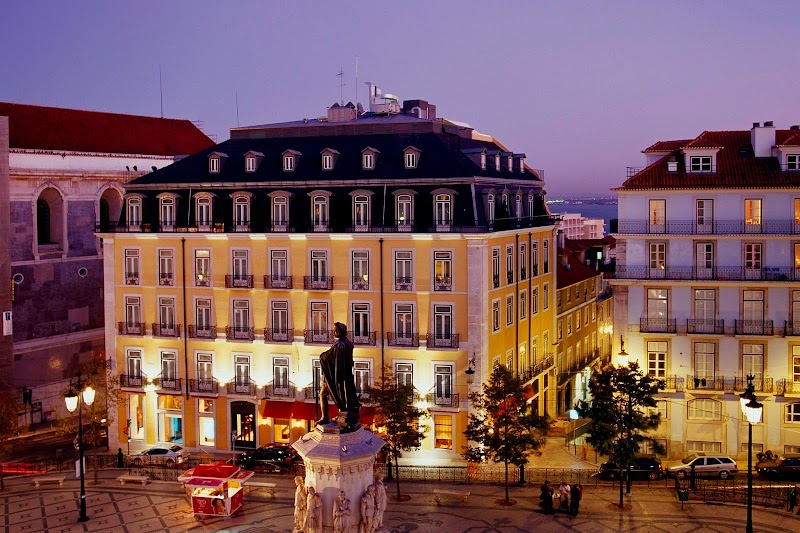
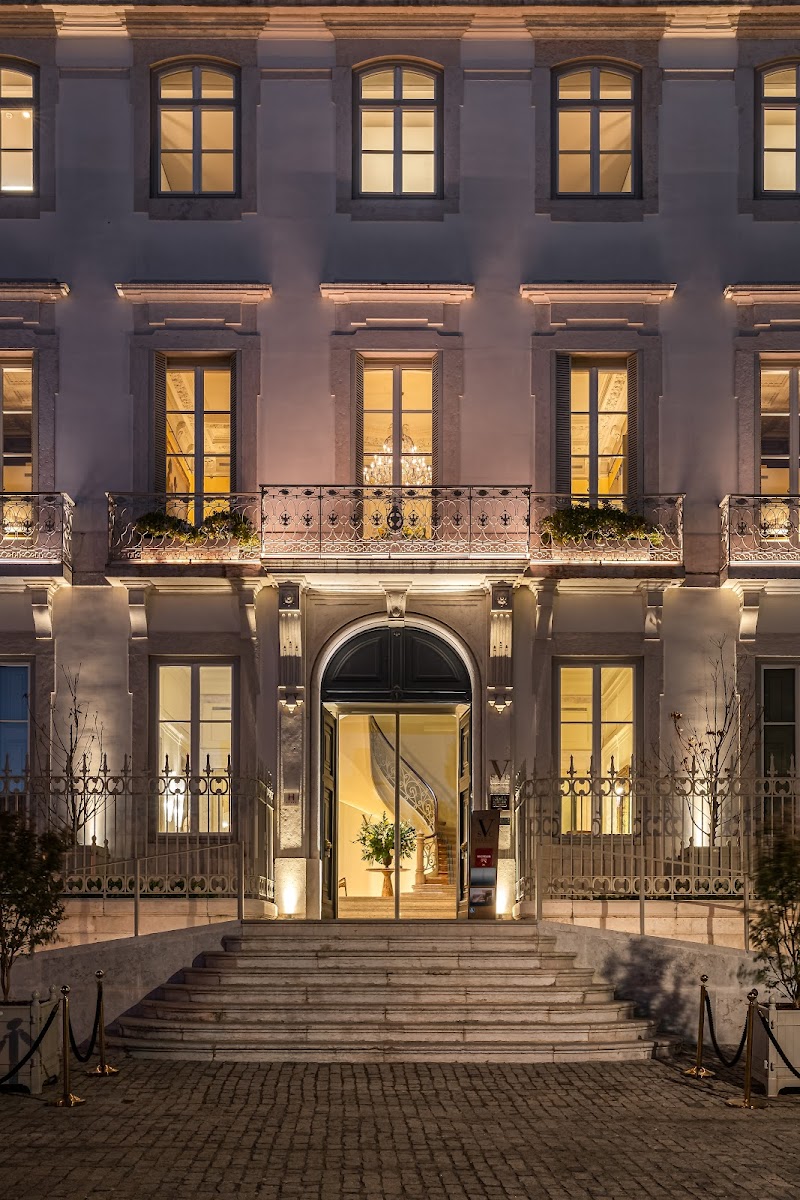
For accommodation, Bairro Alto has one defining choice: the Bairro Alto Hotel itself, which occupies a 19th-century palace and represents some of the finest hospitality in Portugal. Beyond this landmark property, the neighbourhood has limited dedicated hotel stock — most visitors use Chiado properties as a base for exploring Bairro Alto on foot, as the two areas are separated by only a few minutes' walk.
Practical note: the noise. Saturday nights in Bairro Alto can be extremely loud until 3–4am. Rooms facing the street in any hotel or guesthouse will involve noise. Light sleepers should request interior-facing rooms or consider Chiado as a quieter alternative base with equivalent walking access.