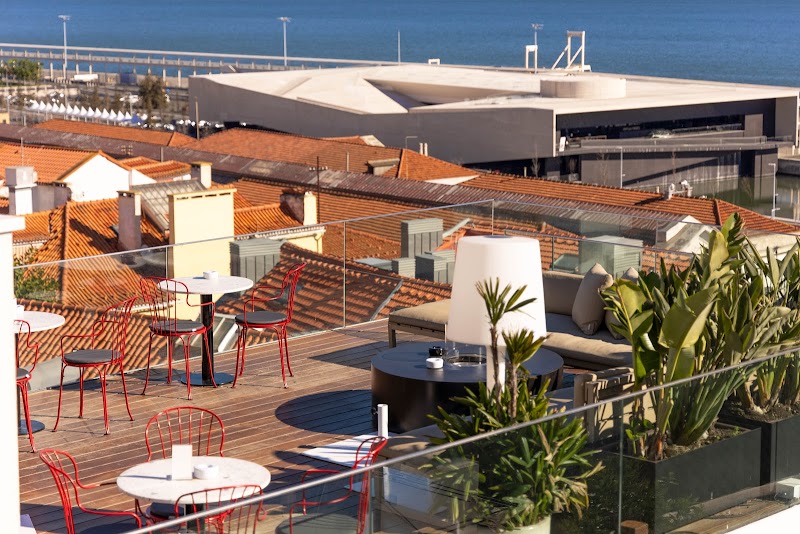
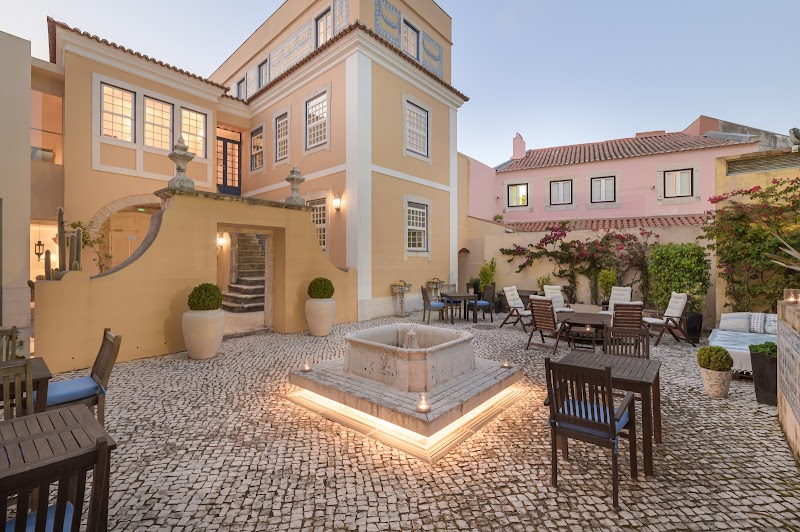
Lisbon's boutique hotel landscape emerged rapidly after the city's tourism boom in the 2010s, accelerated by a Portuguese government tax incentive programme that encouraged historic building restoration. The result is an unusually rich concentration of small hotels occupying buildings of genuine historical and architectural interest — former palaces on the river, merchant houses in Chiado, Moorish-influenced properties in the Alfama, and Pombaline baroque structures in the Baixa.
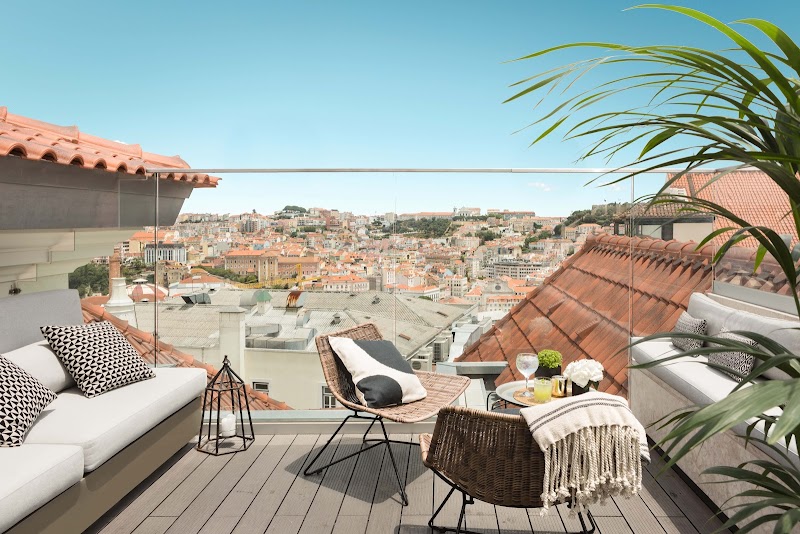
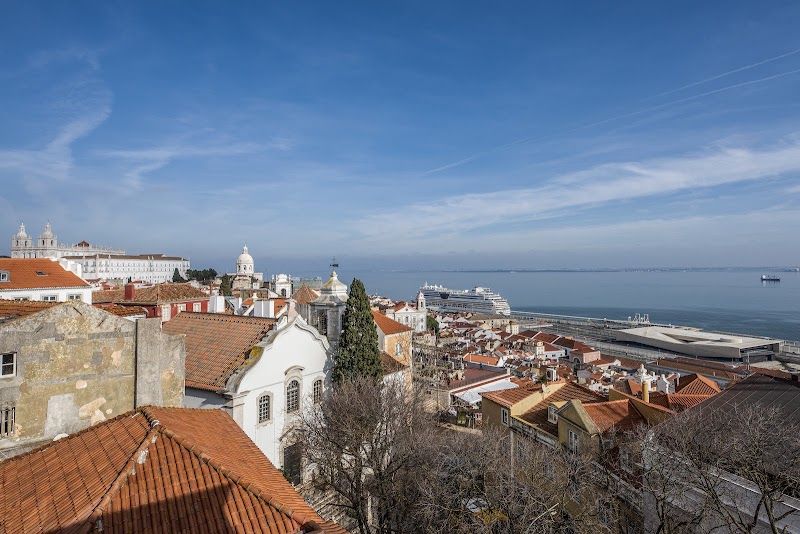
The Alfama is the city's oldest neighbourhood and the spiritual heart of fado music. Boutique hotels here — Memmo Alfama, Santiago de Alfama, Solar do Castelo — occupy buildings within the medieval fabric, often with terraces offering castle views and river panoramas. The atmosphere is irreducibly authentic; fado houses, tile painters, and the sound of mourning music drifting from open windows are all part of the experience. The streets are steep, narrow, and cobbled — romantic but impractical for heavy luggage.
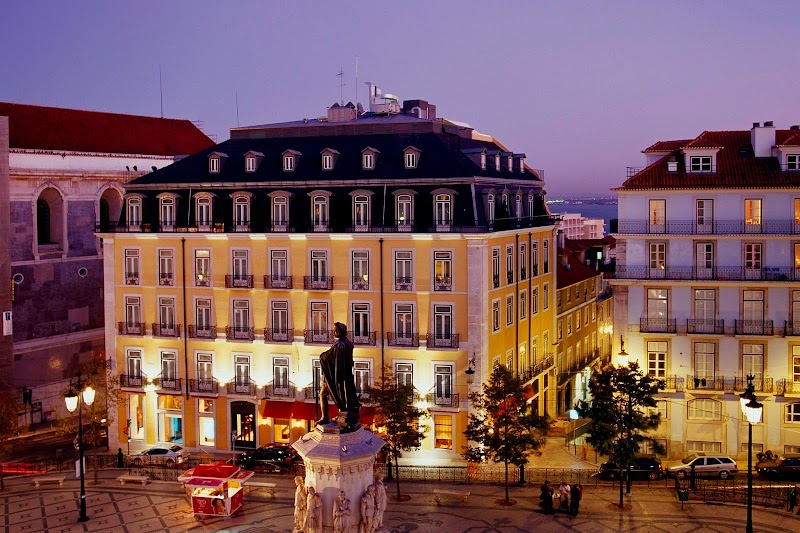
Chiado is Lisbon's most literary neighbourhood — the neighbourhood of Fernando Pessoa, of the Brasileira café, of the Bertrand bookshop (the world's oldest operating bookshop). Boutique hotels here — Bairro Alto Hotel, Palácio Chiado — have a sophisticated, culturally aware character that matches the neighbourhood. Rates are higher than the Alfama but the restaurant and café options within walking distance are significantly better.
Príncipe Real, north of Chiado, has become Lisbon's design and fashion quarter, with a concentration of independent boutiques, antique dealers, and the city's best natural wine bar (by the bottle) scene. The Lumiares and Verride Palácio Santa Catarina represent the neighbourhood's boutique hotel offer — intimate, design-conscious properties in historic palaces with river views.
Practical consideration for boutique Lisbon: the city's hills mean that seemingly short distances involve significant ascents. Most boutique hotels in the Alfama and Bairro Alto are accessible only on foot for the last 100–200 metres. Tuk-tuks (the city's omnipresent tourist three-wheelers) can navigate narrower streets; consider one for luggage transport on arrival.