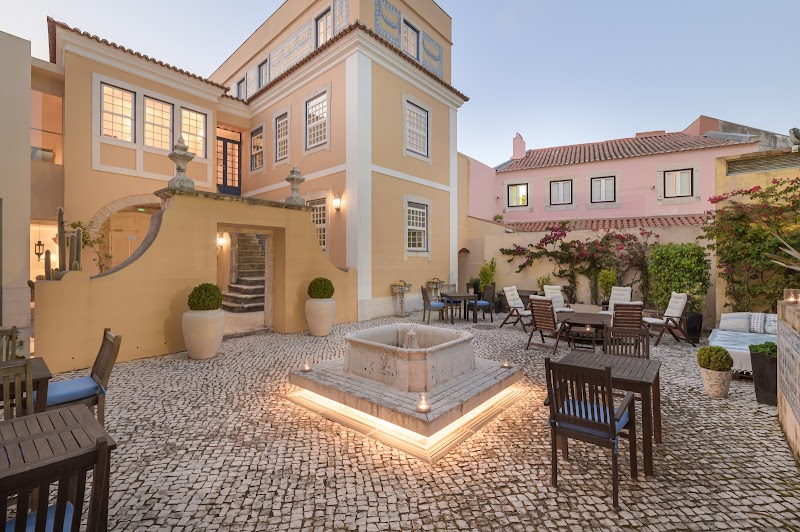
Lisbon's budget hotel market has been transformed by the city's rise as a tourism destination since 2010. The influx of visitors created demand not just for luxury accommodation but for well-designed budget properties that offer the Lisbon atmosphere — the azulejos, the vintage trams, the neighbourhood tascas — without the premium price tags of palace hotels and boutique conversions.
The result is a budget hotel sector that competes effectively across the €60–€120 bracket. Design hostels have evolved into genuine hybrid properties offering private rooms at hostel prices; converted 1930s buildings in the Baixa have been modernised into clean, well-located hotels at mid-market prices; and the outer neighbourhoods of Mouraria and Santos offer excellent value for visitors comfortable with a 15-minute walk to the main tourist sites.
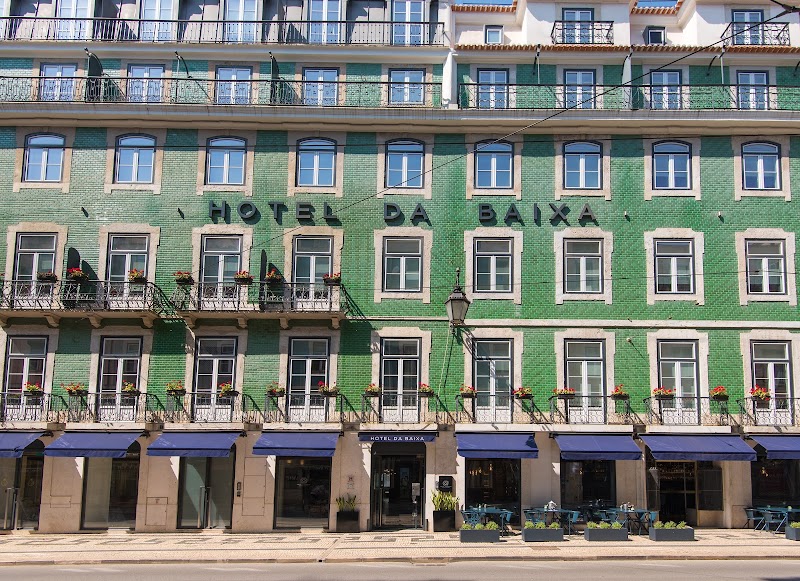
Location strategy is critical at the budget end. The Baixa grid — roughly the area between Rossio square and Praça do Comércio — offers the most central position at the most competitive prices, particularly in properties occupying upper floors of commercial buildings. The Mouraria neighbourhood, immediately below the castle, is slightly less central but considerably more authentic, with lower prices and better access to the local food and music scene.
The Alfama is tempting for budget accommodation due to its photogenic character, but practical drawbacks are significant: very limited room sizes in converted medieval buildings, challenging access with luggage on steep cobbled streets, and noise from fado houses and tourist groups in the evenings. For most budget travellers, Mouraria or Baixa offer better value with equivalent cultural richness.
Season matters considerably for Lisbon's budget market. Shoulder season (November–March, excluding Christmas and New Year) sees prices drop 30–50% from summer peaks. The sweet spots are January–February and late October–November, when prices are lowest and the city is least crowded. Web Summit in November is the one exception: prices spike to summer levels during conference week.
What Lisbon does better than almost any European city at the budget level is food. The pastelarias (pastry shops) serving pastéis de nata for €1.20, the tascas offering lunch menus for €8–10, the garrafeiras (wine shops) selling excellent Alentejo wines for €5–8 per bottle — the food budget in Lisbon can be managed exceptionally well even when the hotel budget is tight.