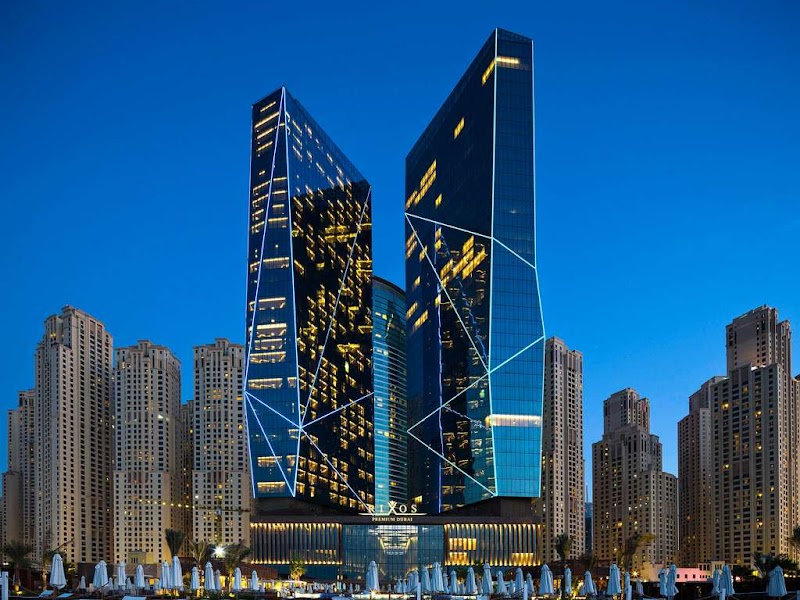
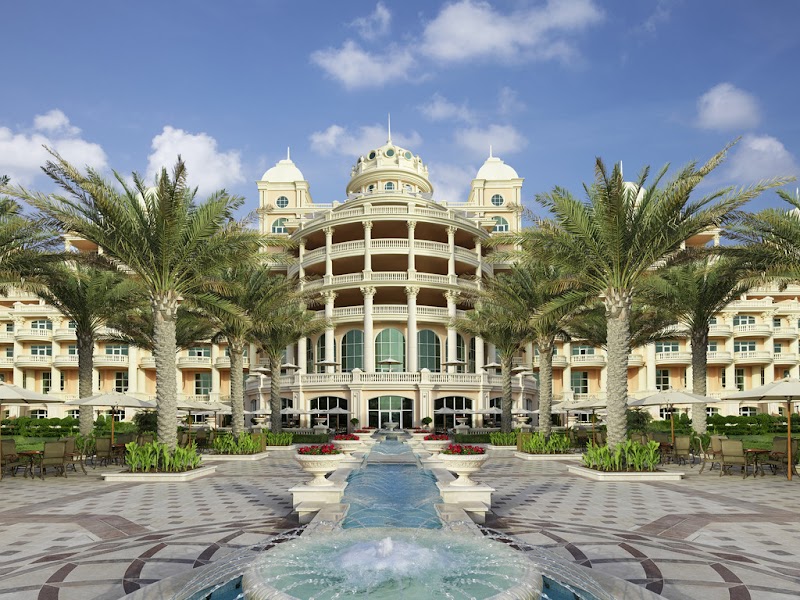
Dubai's all-inclusive hotel sector is led by Rixos, the Turkish luxury all-inclusive brand that has built its best properties on the JBR beachfront. The Rixos model — which originated in Antalya and Bodrum — translates extremely well to Dubai's beach resort context: a private beach, multiple restaurants with rotating menus, beach club activation, and a comprehensive entertainment programme create a complete resort experience that makes the headline room rate genuinely represent full holiday value.
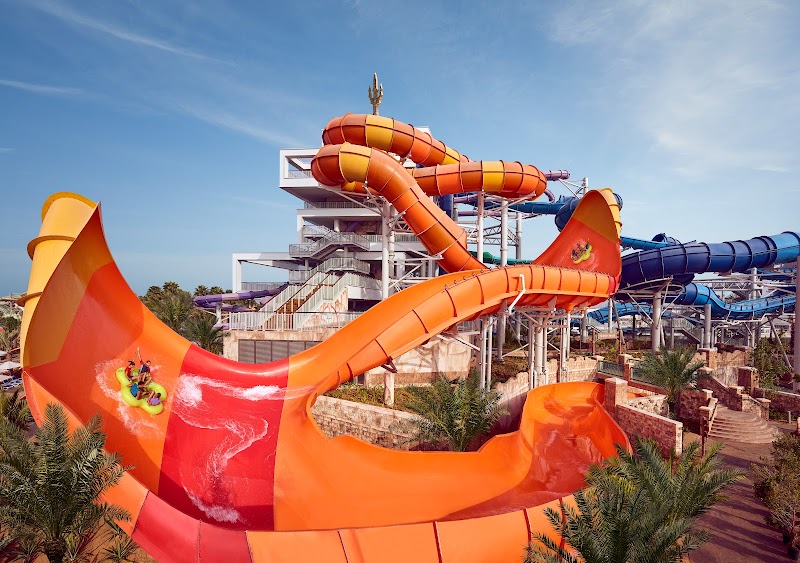
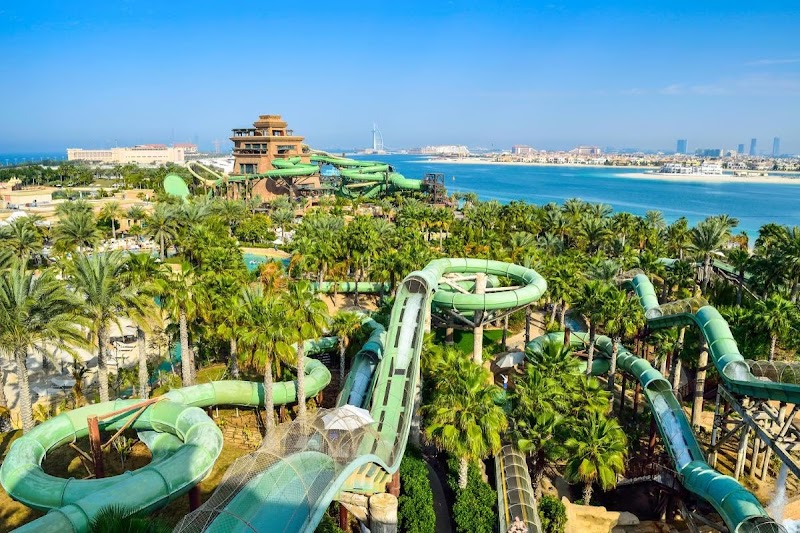
The Atlantis The Palm operates what is effectively a de facto all-inclusive model for families — Aquaventure waterpark access and the Lost Chambers Aquarium are included in the room rate, the on-site restaurants are comprehensive enough to spend an entire stay without leaving the resort, and the room-only rate plus activities creates a value proposition comparable to explicit all-inclusive pricing.
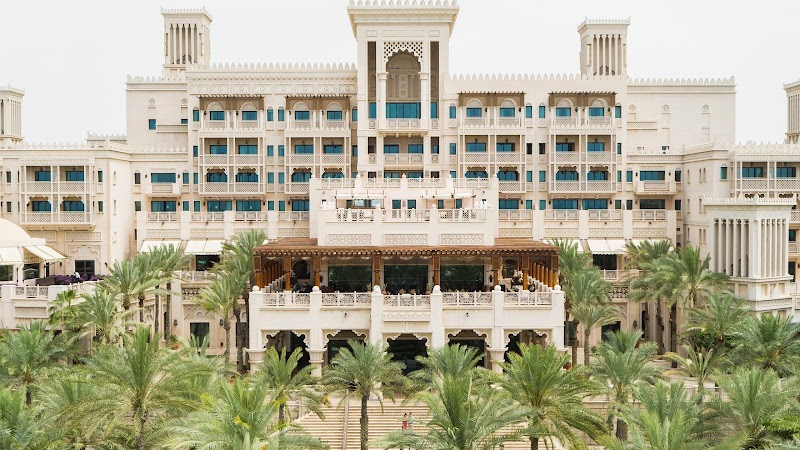
For couples and adult guests, the Jumeirah Al Qasr and its Madinat Jumeirah complex neighbours effectively function as all-inclusive resort environments without the formal all-inclusive pricing model — the 40+ restaurants and bars within the complex, combined with the private beach, pools, and Wild Wadi adjacency, create a resort world that removes any need to venture beyond the resort boundary for an entire stay.
Practical considerations for all-inclusive Dubai: alcohol is typically included in all-inclusive packages at most major properties, but premium wine and spirits may carry a supplement. Water sports, in-room minibar beyond daily allowance, and off-resort activities (desert safaris, city tours) are almost always charged separately. The Rixos Wristband colour coding system distinguishes service levels — premium wristbands include access to higher-grade restaurants.
All-inclusive rates in Dubai are highest in November–March. The format represents particularly good value in summer (June–September) when the all-in price drops significantly and the quality of beach and pool experience remains identical.