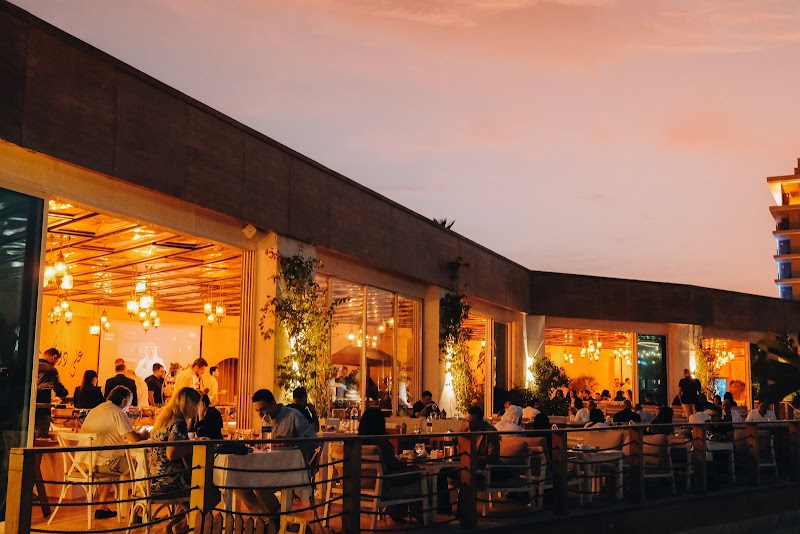
JBR was developed in the mid-2000s as one of the world's largest single-phase residential developments, and its 40 residential towers were supplemented by a commercial retail and hotel strip (The Walk) that has become one of Dubai's most successful urban spaces. The 1.7km promenade is pedestrianised, well-shaded in sections, and densely populated with restaurant choices ranging from local shawarma shops to Michelin-grade dining.
The beach itself — JBR Open Beach — is one of Dubai's most democratically used public spaces. It is free to access, has lifeguards, outdoor gyms, beach volleyball courts, and a consistent quality of cleanliness maintained by Dubai Municipality. This is the beach where Dubai residents come rather than just tourists, and the atmosphere reflects that — more local, more diverse, and more spontaneous than the private hotel beaches of the Palm or Jumeirah.
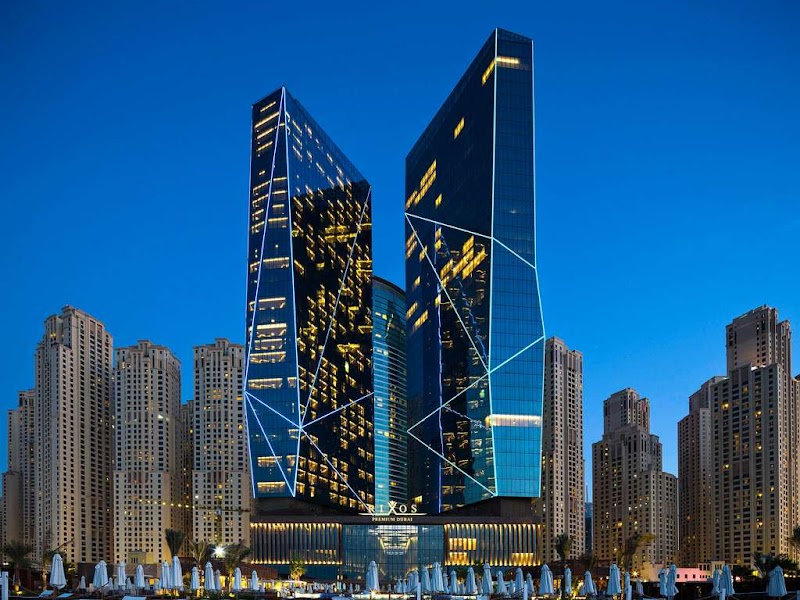
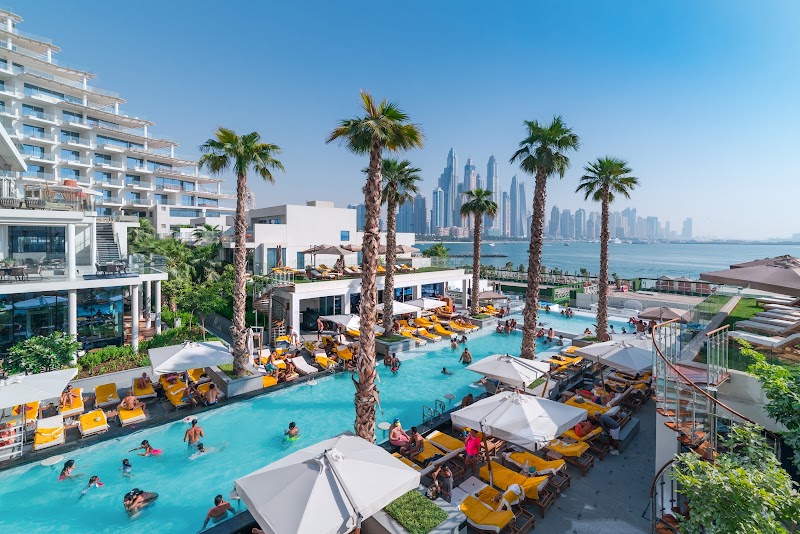
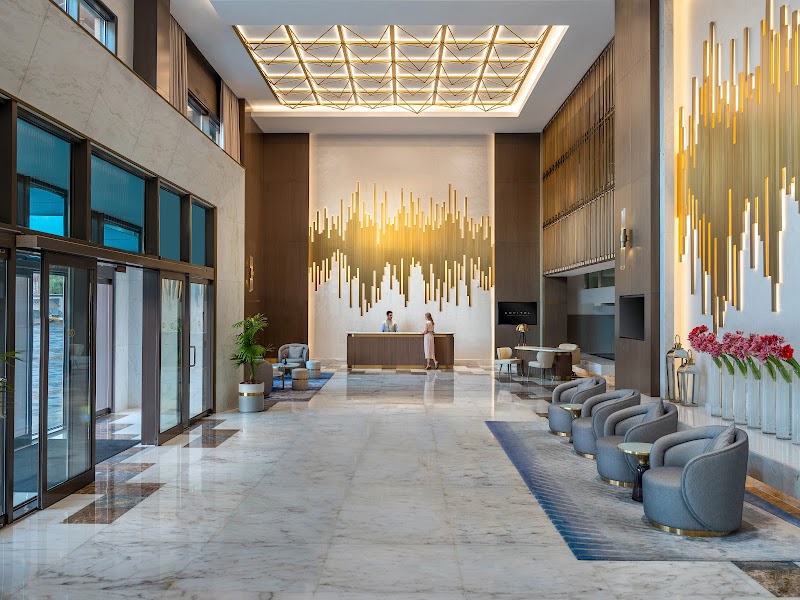
Hotels in the JBR area cluster into two categories: those directly on The Walk (like Address Beach Resort and Rixos Premium JBR) and those within a 5–10 minute walk (Caesars Palace Bluewaters, the Marina hotels). The direct-beachfront hotels command a premium for the shorter walk to the sand, but the overall neighbourhood benefits all properties within the broad JBR-Marina corridor.
Bluewaters Island — visible from JBR beach and connected by a footbridge — has added the Ain Dubai (the world's largest observation wheel) and Caesars Palace as additional JBR-adjacent attractions. The easy walkability between JBR, Bluewaters, and the Marina creates a leisure district that is genuinely impressive in scale and variety.
For nightlife, JBR's outdoor venues (Zero Gravity beach club, Nasimi Beach, Barasti) are among Dubai's most popular, running events and DJ nights particularly on Thursday and Friday evenings. Hotels in this area tend to attract guests who want to participate in this energy — it's not the quietest part of Dubai to sleep in, and light sleepers should request high-floor rooms away from the promenade.