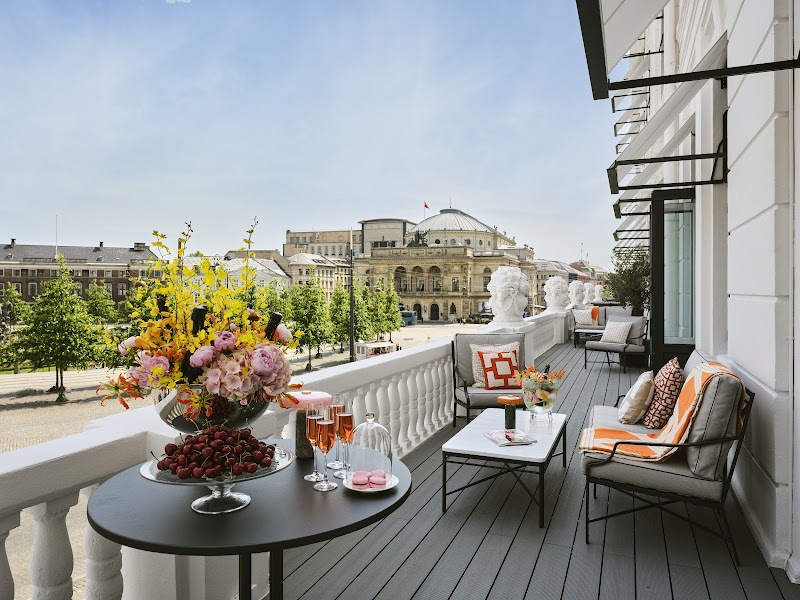
The luxury hotel conversation in Copenhagen organizes itself around a few clearly differentiated positions. At the absolute apex sits Hotel d'Angleterre — an 18th-century palace hotel on Kongens Nytorv whose operating philosophy hasn't wavered since Tchaikovsky and Marlene Dietrich were among its guests: the finest materials, the finest service, and the finest possible location. The Marchal restaurant's Michelin star is earned genuinely; the spa occupies vaulted ceilings below ground; and the 90 rooms are furnished with an artisanal care that modern luxury hotels typically approximate rather than achieve.
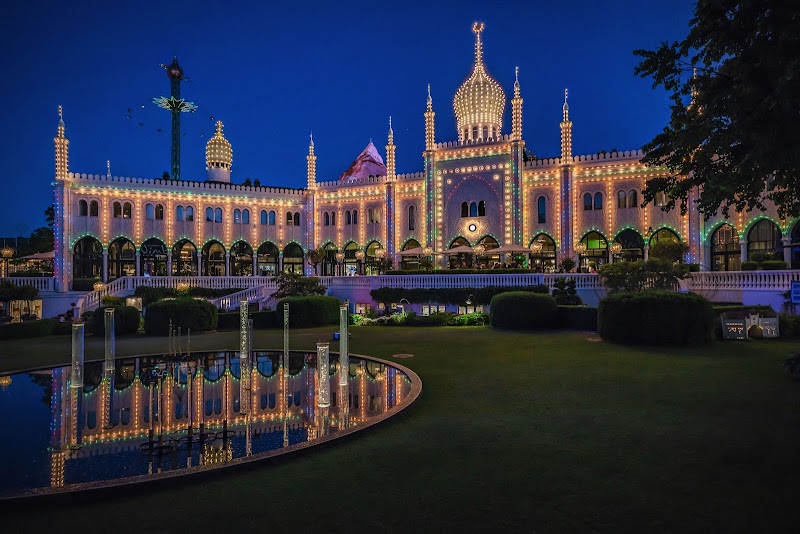
The Nimb Hotel is the most genuinely unique luxury option in Copenhagen — occupying the 1909 Moorish-fantasy building inside Tivoli Gardens. Seventeen individually designed rooms and suites make it one of Europe's smallest significant luxury hotels, and the experience is correspondingly intimate. Guests who stay at Nimb are inside Tivoli after closing time — the pleasure garden illuminated outside the window while the rest of Copenhagen accesses it only during operating hours. The brasserie (one of Copenhagen's most consistently excellent restaurants), the hotel bar, and the confiserie make it impossible to leave the building for long. Nimb operates at a scale and uniqueness that makes comparing it to other Copenhagen hotels almost meaningless.
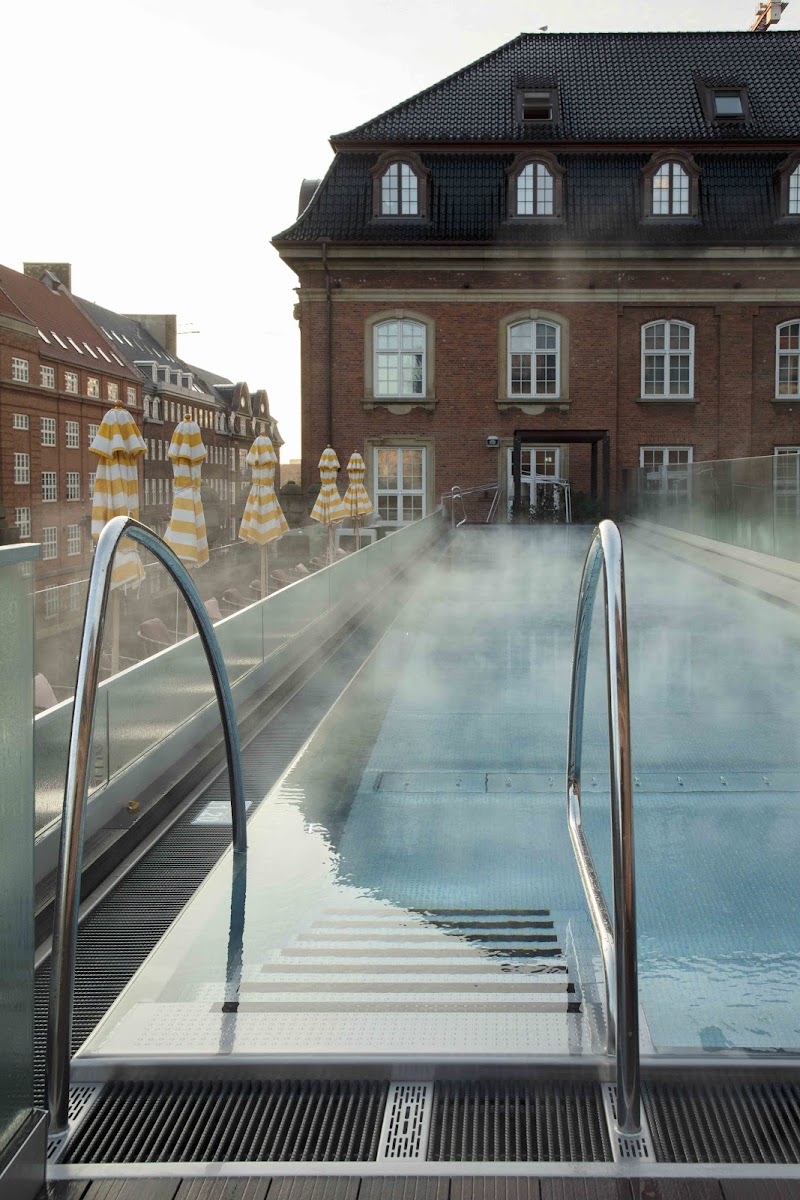
Villa Copenhagen is the most exciting architectural luxury proposition: the former Central Post Office on H.C. Andersens Boulevard converted into a 390-room hotel by a team that understood both the heritage value and the contemporary demand. The main postal hall — a magnificent late-19th-century space of vaulted ceilings and polished stone — now functions as the lobby bar and social hub, and the rooftop pool with Copenhagen panorama is the definitive warm-weather destination in the city. Villa Copenhagen rates sit significantly below d'Angleterre while delivering a comparable design experience.
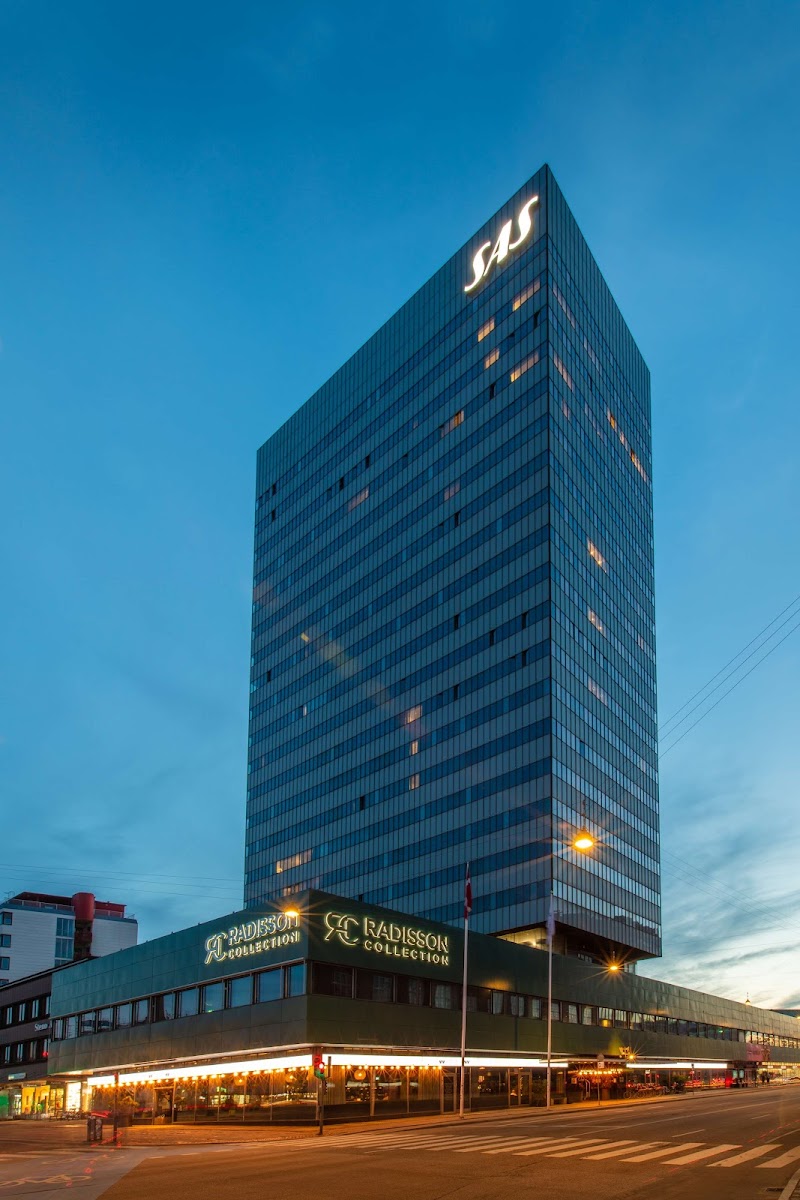
The Radisson Collection Royal Hotel — Arne Jacobsen's 1960 masterwork — occupies a singular position in European design heritage. Room 606, preserved exactly as Jacobsen designed it (the only room where every original piece of furniture, including the Egg Chair and Swan Chair prototypes, remains intact), is available for booking and is one of the most extraordinary hotel experiences in the world for anyone with design literacy. The rest of the hotel has been updated while preserving its architectural identity, and the SAS bar and Egg Chair lobby are essential Copenhagen landmarks.
For guests seeking the Scandinavian residential luxury experience, several newer boutique properties in Vesterbro and the Meatpacking District translate the high-design-low-pretension approach into exceptional hotel stays. AOC — the two-Michelin-star restaurant in Grønnegade — is technically a restaurant, but its location in a 17th-century cellar below Copenhagen's old town sets the tone for a city where dining is an integral part of any luxury hotel programme.
The luxury travel context for Copenhagen: the city is most rewarding in May-August (long days, outdoor dining season, cycling in genuine pleasure). December brings Christmas markets and Tivoli in winter illumination mode, which produces some of the most atmospheric hotel stays in Europe — Nimb specifically achieves something magical at Christmas. The city is extraordinarily walkable and the cycling infrastructure is the world's best — most luxury hotels provide complimentary bicycles, and using them rather than taxis dramatically changes the quality of city exploration.