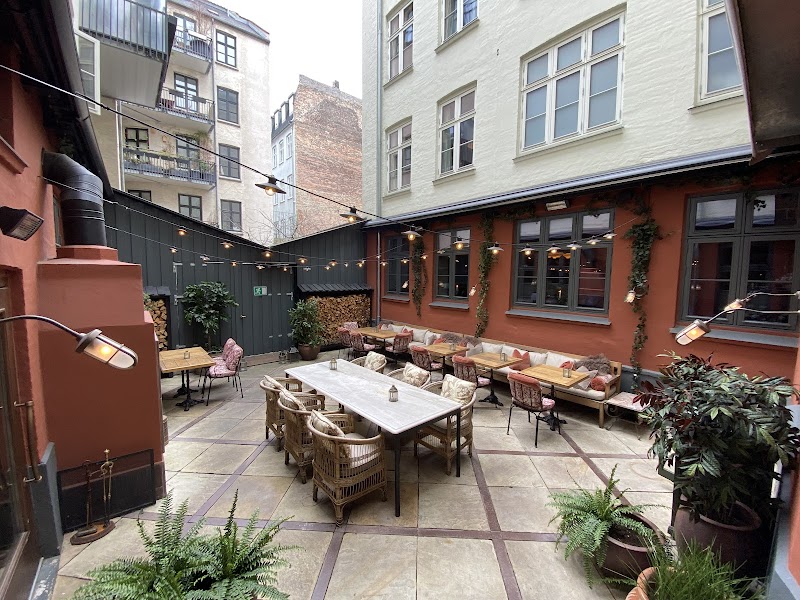
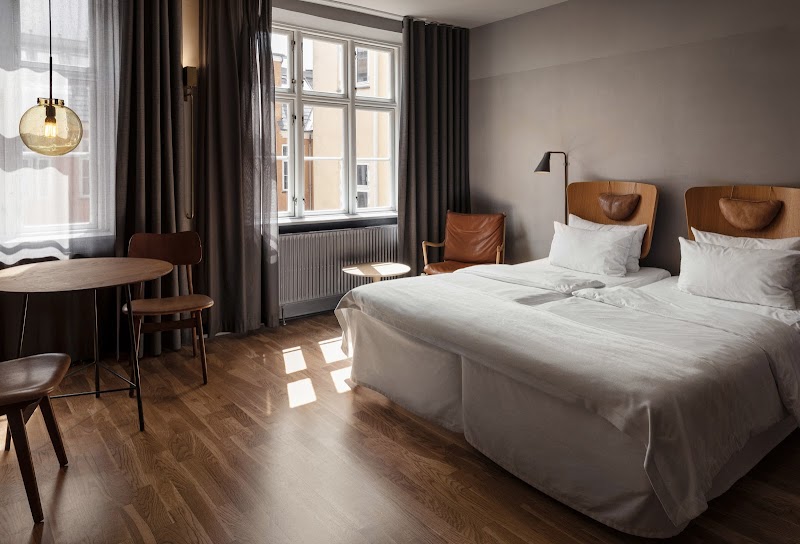
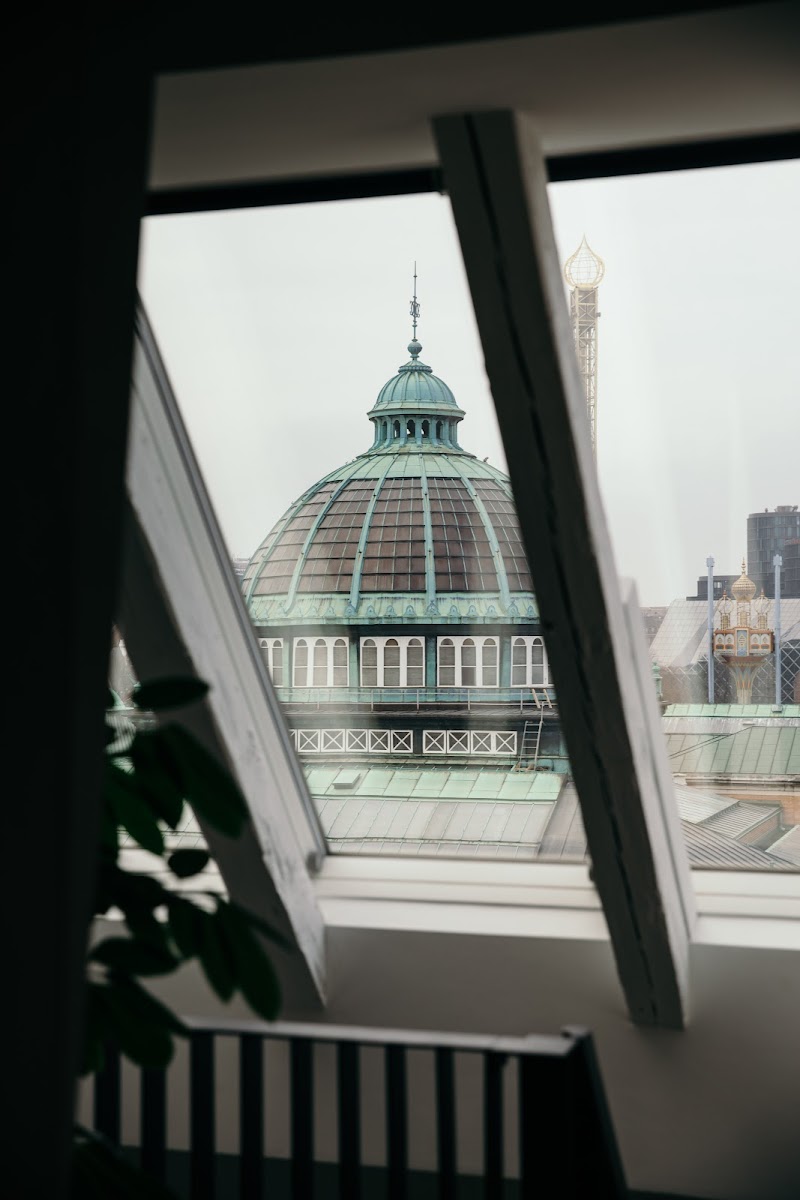
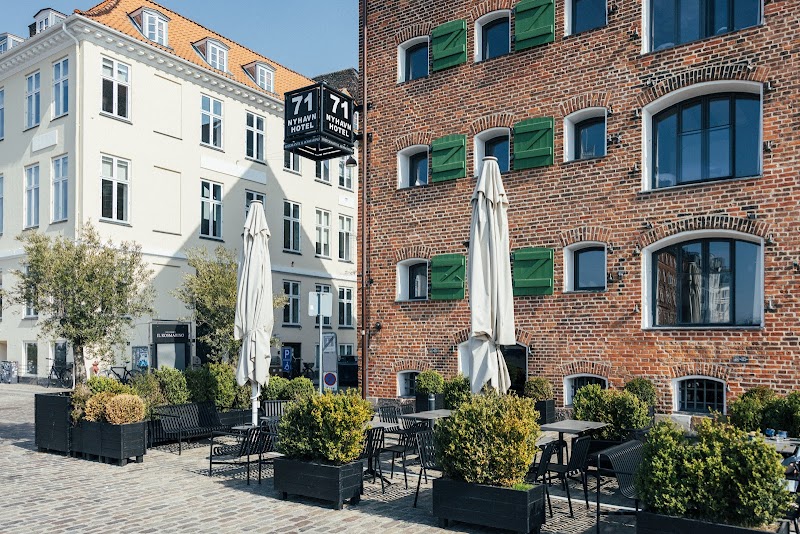
The boutique hotel market in Copenhagen has developed in parallel with the city's global reputation as a design and food destination. As Noma put New Nordic cuisine on the world stage and Bjarke Ingels Group raised the bar for contemporary architecture, independent hotel operators found an informed international audience hungry for accommodation that matched the city's design ambitions. The result is a genuinely strong boutique tier operating largely in converted historic buildings across the Latin Quarter, Vesterbro, Nørrebro, and around the waterfront.
Hotel Sanders set the benchmark for the intimate luxury boutique format in Copenhagen: 54 rooms in a 19th-century building behind the Royal Danish Theatre, designed with the layered warmth of a private home by designer Lasse Rode. The Tata Bar — a small, atmospheric room with excellent cocktails and a curated spirits selection — has become one of the Copenhagen locals' preferred hotel bars. Sanders attracts a theater-world, fashion, and creative-industry clientele who value atmosphere over amenities breadth, and the service culture reflects that preference: genuinely warm without being performative.
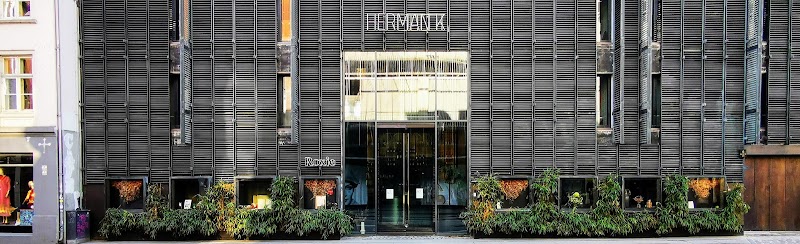
Brøchner Hotels operates a portfolio of design boutique properties in Copenhagen that represent the city's most consistent execution of the high-design, thoughtful-hospitality formula. SP34 in the Latin Quarter is the flagship — a converted building where the breakfast culture is treated as seriously as the room design. The morning buffet at SP34 is the best hotel breakfast in Copenhagen, drawing non-guests who come specifically for the smoked salmon, rye bread, and pastry selection. The Hotel Herman K at Rådhuspladsen and the Bertrams Guldsmeden in Frederiksberg represent other strong entries in the portfolio.
The Nobis Hotel Copenhagen occupies an 1840 building on Niels Brocks Gade and represents the Scandinavian luxury design aesthetic at its most refined: the restaurant Bror (run by two former Noma chefs) produces some of the most interesting food in the city; the lobby bar is a genuinely beautiful room; and the 77 rooms are detailed with craft materials that feel earned rather than decorative.
Den Rode Cottage (The Red Cottage) in Charlottenlund — technically outside central Copenhagen but accessible by coastal railway — is an extraordinary boutique option for travelers who want to experience the Oresund coastline's summer house culture from a hotel setting. The converted 1800s building in a quiet coastal garden produces rooms that feel like a private Danish summer house, and the beach walk to Charlottenlund Fort is one of the best coastal experiences near Copenhagen.
Across Vesterbro — the former meatpacking district turned restaurant-and-bar hub — several boutique hotels have emerged in recent years that take advantage of the neighborhood's converted industrial architecture. The Avenue Hotel in Frederiksberg and the Axel Guldsmeden in Vesterbro both offer sustainable luxury positioning (the Guldsmeden group is certified organic) in neighborhoods that give more authentic access to Copenhagen's food and cultural scene than the tourist-center properties.
Practical note: Copenhagen boutique hotels are typically booked well in advance for May-August travel, particularly around the Copenhagen Jazz Festival (July) and Copenhagen Pride (August). The Christmas season (December) produces very high demand at atmospheric properties like Nimb and Sanders. Book 2-3 months ahead for these periods.