Copenhagen's central district is more walkable than most European capitals of comparable cultural significance. The distance from Tivoli Gardens at the western end of the center to Nyhavn at the eastern end is under 2 kilometres — an easy 20-minute walk through Strøget (the pedestrianised shopping street), past Kongens Nytorv, and down to the canal. The main museum cluster (Ny Carlsberg Glyptotek, National Museum, Thorvaldsen's Museum) sits within this same corridor. For a visitor spending 3-5 days in Copenhagen, a central hotel eliminates almost all transit requirements for the main sights.
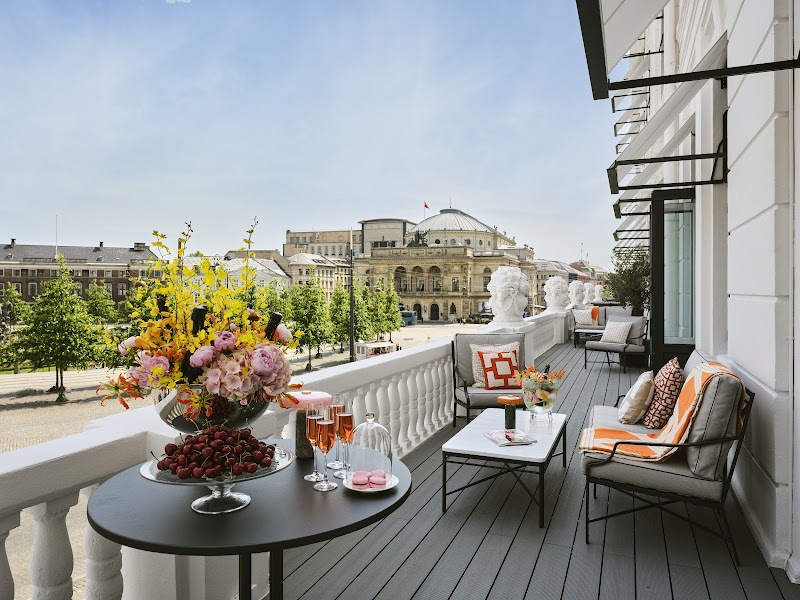
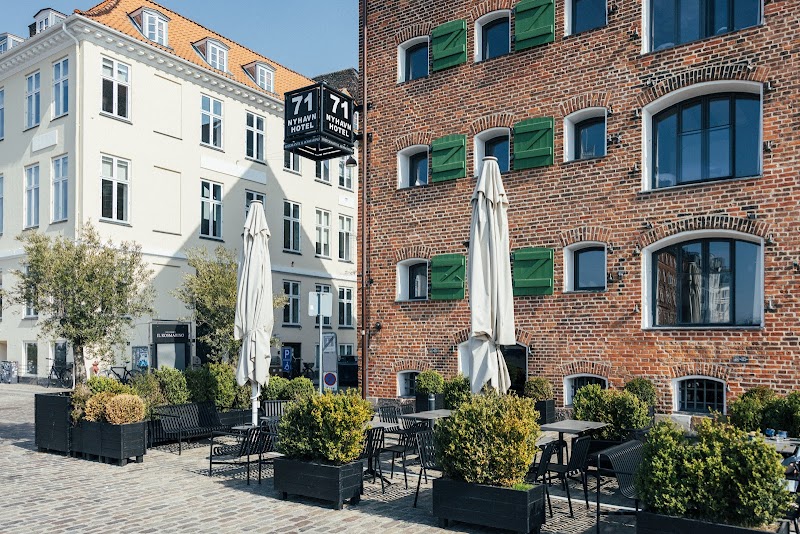
Kongens Nytorv is the epicenter of the central hotel market — Hotel d'Angleterre on the square itself, Hotel Sanders in the streets immediately behind the Royal Danish Theatre, and 71 Nyhavn Hotel two minutes' walk toward the canal. The square itself is one of the most architecturally coherent urban spaces in Northern Europe, anchored by the Royal Danish Theatre's baroque facade, the Metro's glass entrance pavilion (designed to minimize visual impact on the historic square), and the equestrian statue of Christian V. Staying within walking distance of Kongens Nytorv means having the best of the central area on your doorstep.
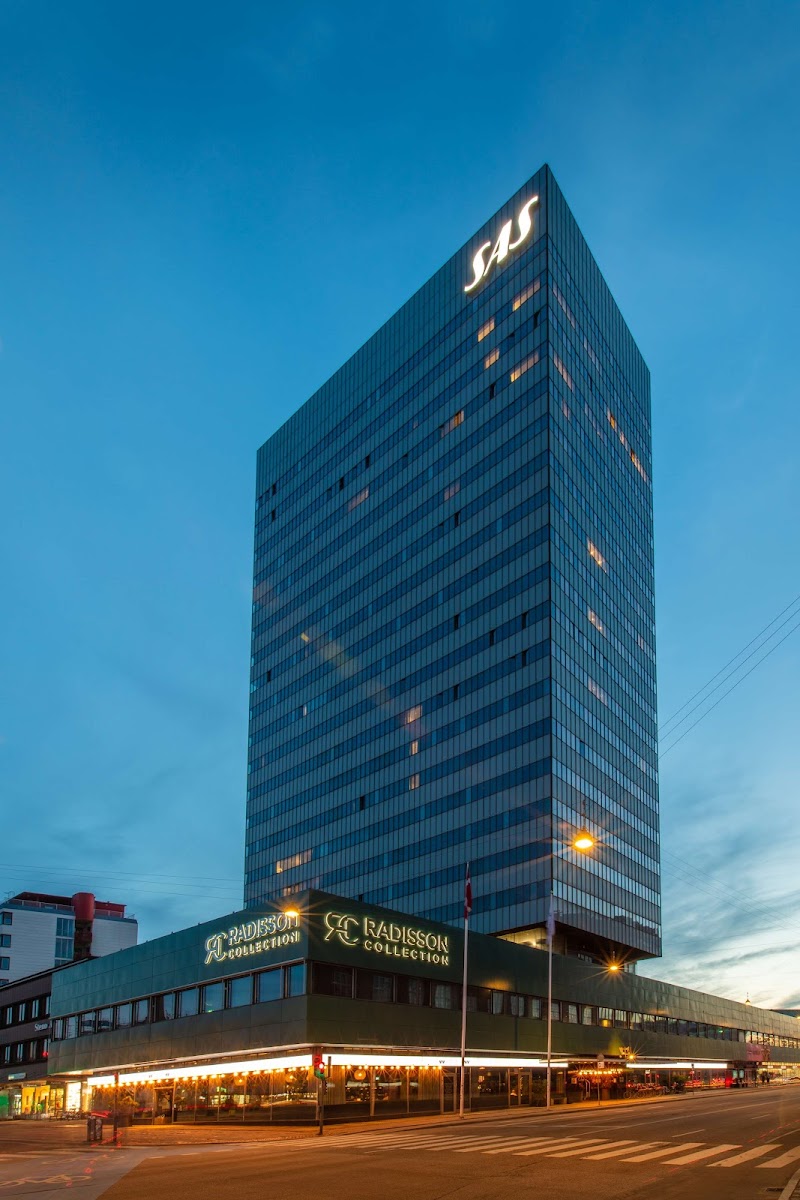
Strøget — the world's longest pedestrian shopping street, running from City Hall Square to Kongens Nytorv — organizes the hotel geography of the center. Properties along or just off Strøget (Hotel Skt. Petri in the Latin Quarter, Villa Copenhagen near the western end, the Radisson Collection Royal Hotel on the square at City Hall) offer the maximum concentration of access to retail, restaurants, and street-level city life.
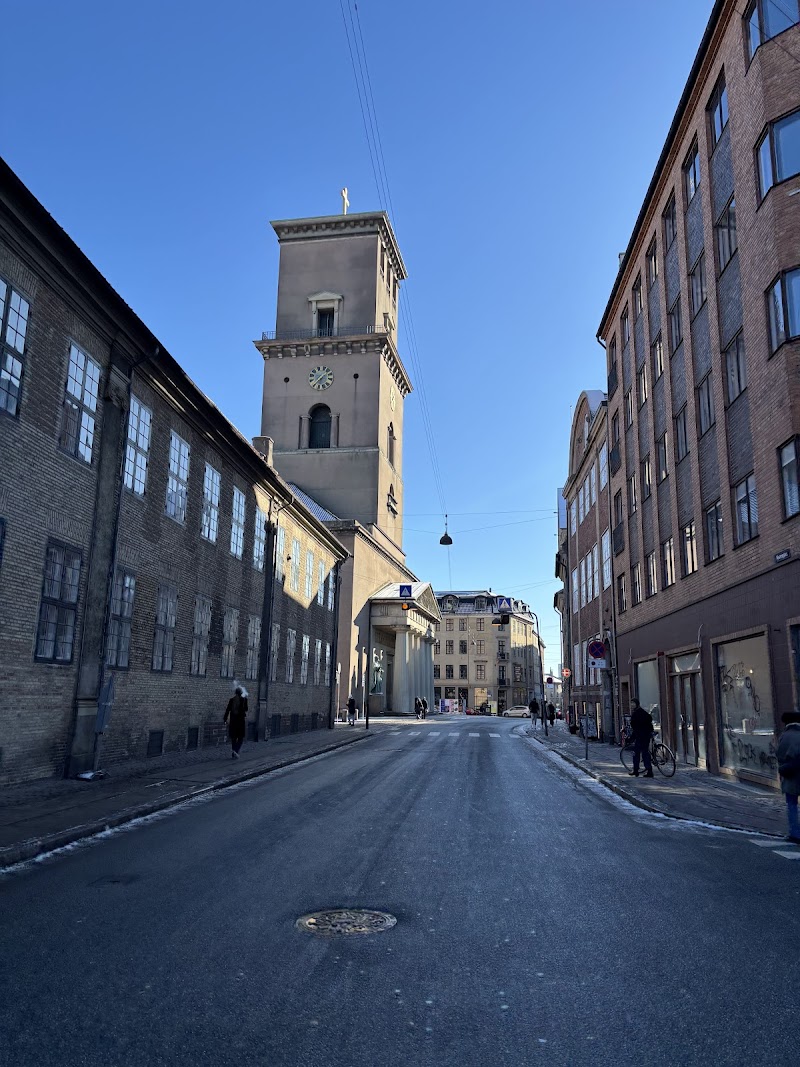
The Latin Quarter, immediately north of Strøget around the University of Copenhagen, is the most characterful sub-neighborhood for boutique hotel stays. The area's 19th-century architecture, bookshops, and café culture create an atmosphere that the more touristic Nyhavn district lacks. SP34 and Hotel Skt. Petri anchor the Latin Quarter hotel offering.
For the Tivoli experience specifically, the section between City Hall Square and the Central Station — technically just outside the historic center — provides the most direct access. Villa Copenhagen, CABINN City, and the Tivoli Hotel are within minutes of the park entrance.
The central Copenhagen hotel market follows predictable pricing patterns: peak summer (June-August) and Christmas (December) drive rates to annual highs. The shoulder months of April-May and September-October offer the most favorable combination of pleasant weather and reasonable rates. January-February is the value window — rates are at annual lows, and Copenhagen in winter, while cold, has the compensating advantage of Tivoli's Christmas season (running to early January) and a local cultural programme that is not organized around tourist volume.