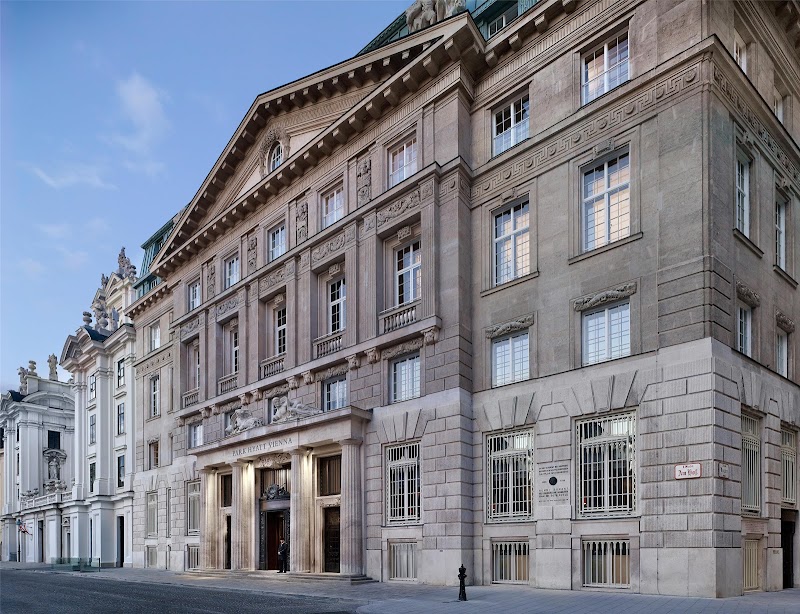
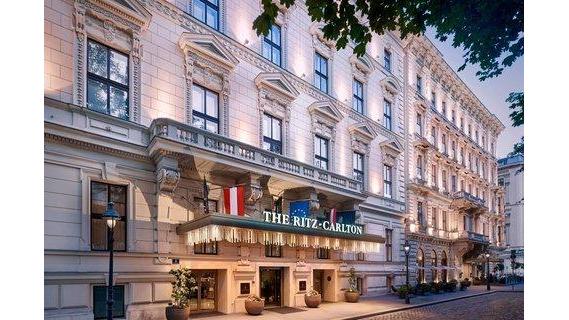
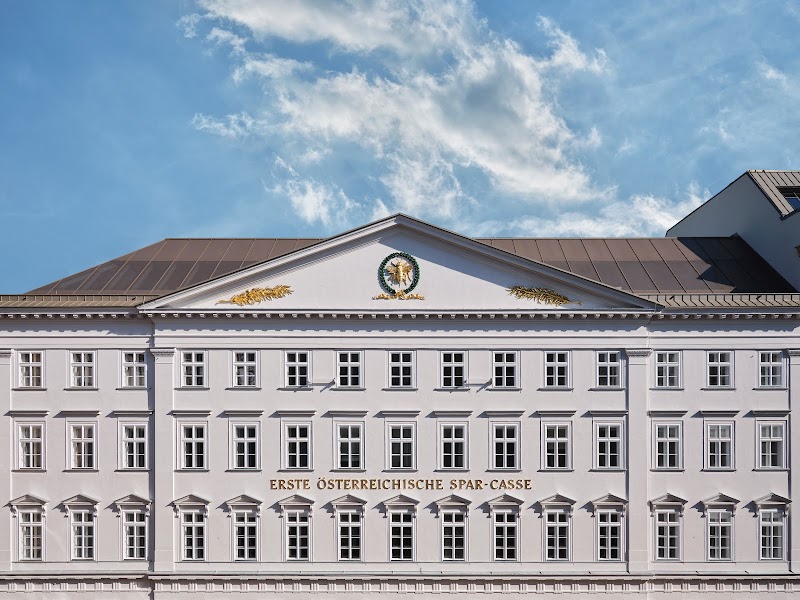
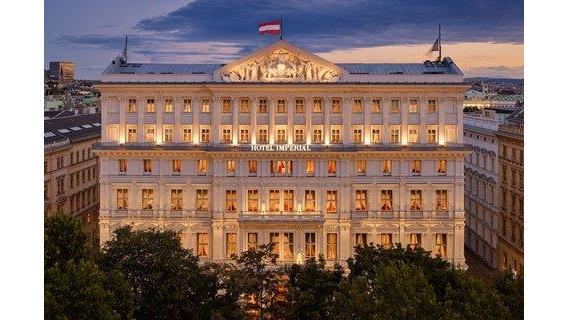
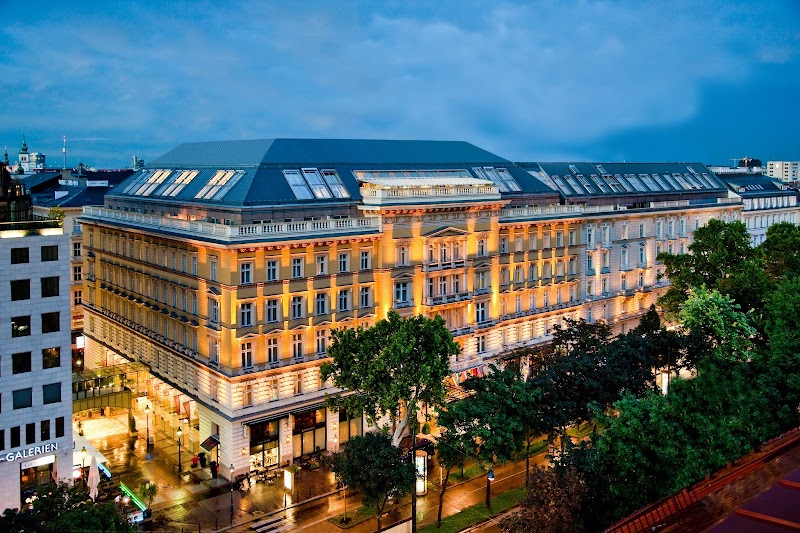
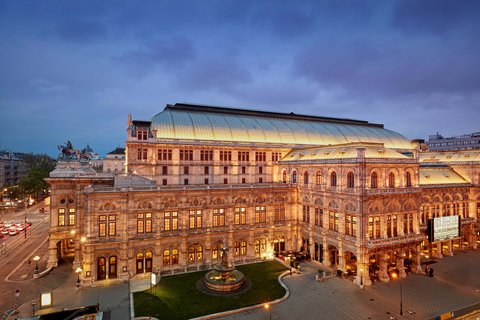
Vienna's luxury accommodation scene is inseparable from its architecture. The Ringstrasse — the grand boulevard Emperor Franz Joseph I commissioned in the 1860s to encircle the Innere Stadt — produced a succession of palace-scale buildings that have since been converted to the city's most storied hotels. Hotel Imperial and Hotel Bristol stand along the Ring's cultural strip, within sight of the Staatsoper and Kunsthistorisches Museum. The Park Hyatt occupies a 1913 Jugendstil bank building at Am Hof. Hotel de France and the Grand Hotel Wien complete the Ringstrasse luxury corridor.
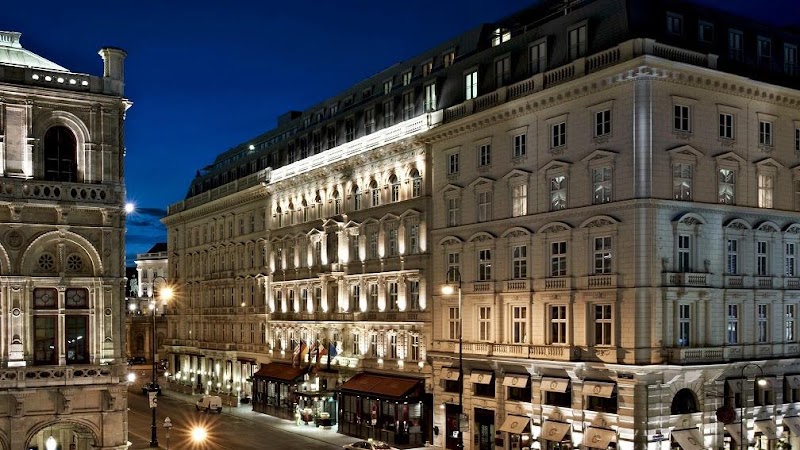
Hotel Sacher, facing the Opera House on Philharmonikerstrasse, is the city's most iconic address — less for its rooms, which are fine but not exceptional by modern standards, than for its historical density. The hotel opened in 1876 under Eduard Sacher; it survived the First World War, the Nazi Anschluss, and post-war Soviet occupation to emerge as the keeper of Viennese café culture. The Café Sacher, with its red velvet banquettes and the original Sachertorte dispute (fought with the Demel bakery over which held the original recipe), is one of Europe's great coffee-house experiences. Guests at the Sacher live inside that history in a way that newer properties cannot replicate.
The Park Hyatt Vienna's Am Hof location is magnificent — a barrel-vaulted banking hall converted into one of Europe's most spectacular hotel lobbies. The former bank vault, now a spa pool, is an extraordinary repurposing. The 143 rooms deliver Hyatt's luxury standards in a building that overshadows almost every hotel in Europe for architectural drama. The Bank Brasserie and Bank Bar, both in the repurposed banking rooms, are worth visiting even for non-staying guests.
Rosewood Vienna, which opened in 2022, represents the new generation of Vienna luxury — a restored 19th-century palace in the Innere Stadt that houses the brand's most architecturally detailed European property. The 99 rooms combine historical fabric (coffered ceilings, original stone floors) with contemporary luxury fitting. The Autumn Bar on the upper floor has quickly established itself as one of the city's evening destinations; the ground-floor Café Vienna is an accessible face for what is otherwise a firmly premium property.
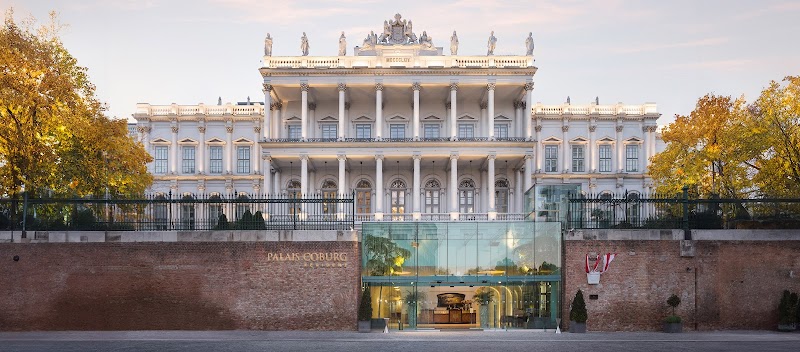
Palais Coburg, the most exclusive and discreet of Vienna's luxury options, occupies a genuine 19th-century ducal palace adjacent to the Stadtpark. The 35 suites are among the largest in any European city hotel; the wine cellar — built around the Palais's extraordinary collection of pre-war Austrian and German wines — is unique in European hospitality. The restaurant's tasting menus are built around these bottles in a way that nowhere else in the city can replicate. Palais Coburg does not need to advertise; it doesn't particularly want guests who find it through a hotel guide.
Grand Hotel Wien on the Ringstrasse is currently undergoing a significant repositioning under new management — its historically grand public spaces (the main salon is one of the Ring's best) are being matched by room renovations that should complete by mid-2026. Its position between the Musikverein and the Kunsthistorisches Museum is unmatched for cultural tourism.
The best time for Vienna luxury travel is October through early December, when the concert season is in full swing, hotel rates are below August-September peak, and the city's Christmas market season adds another dimension to an already richly programmed cultural calendar. The weeks around the Vienna Opera Ball (late January/early February) see rates spike sharply — book six months ahead if attending.