The Innere Stadt is Vienna's oldest and most densely cultural district — a roughly circular area bounded by the Ringstrasse that was once enclosed by the city's medieval walls. Within it sit most of the sights that constitute 'Vienna' in the global imagination: the Gothic spires of St. Stephen's Cathedral, the Hofburg Imperial Palace complex, the Augustinerkirche where Habsburg hearts are stored in silver urns, and the grid of baroque streets and Biedermeier coffee houses that define the city's visual identity.
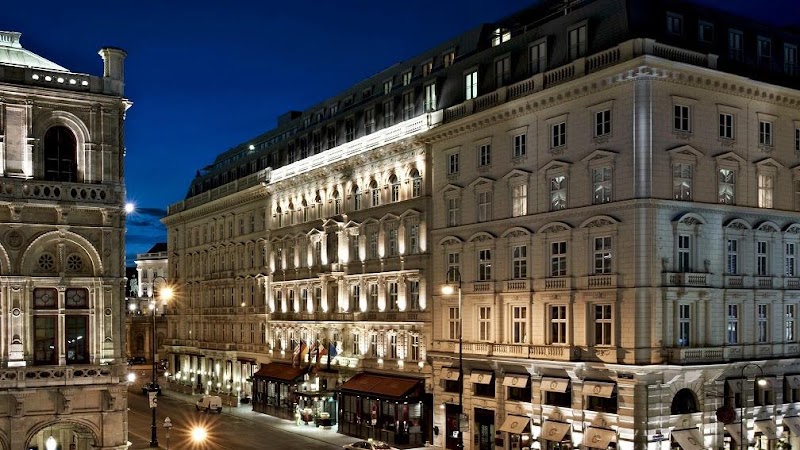
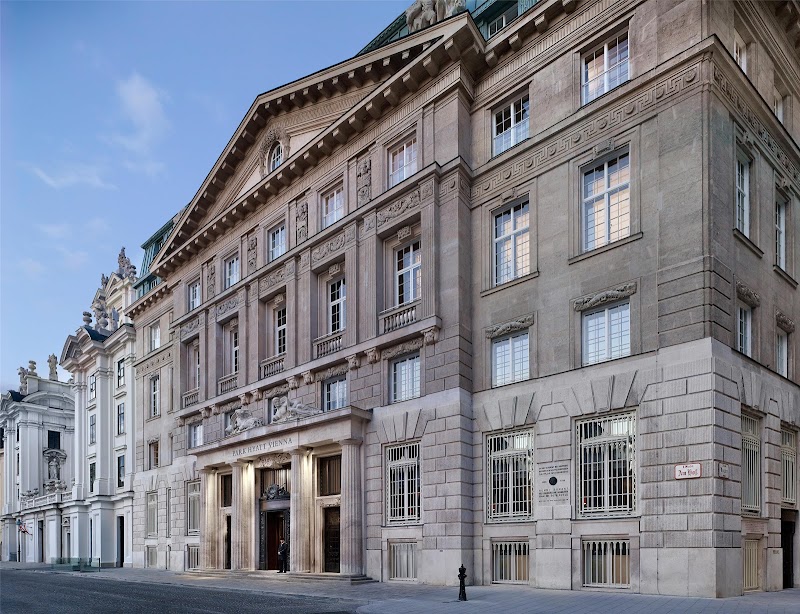
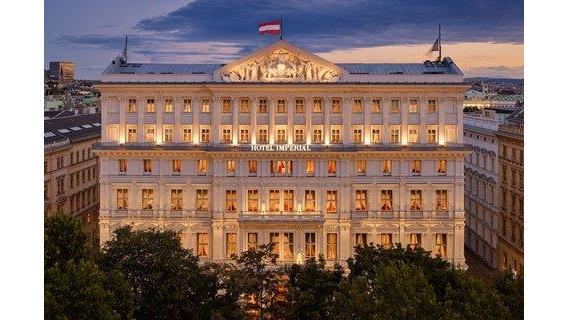
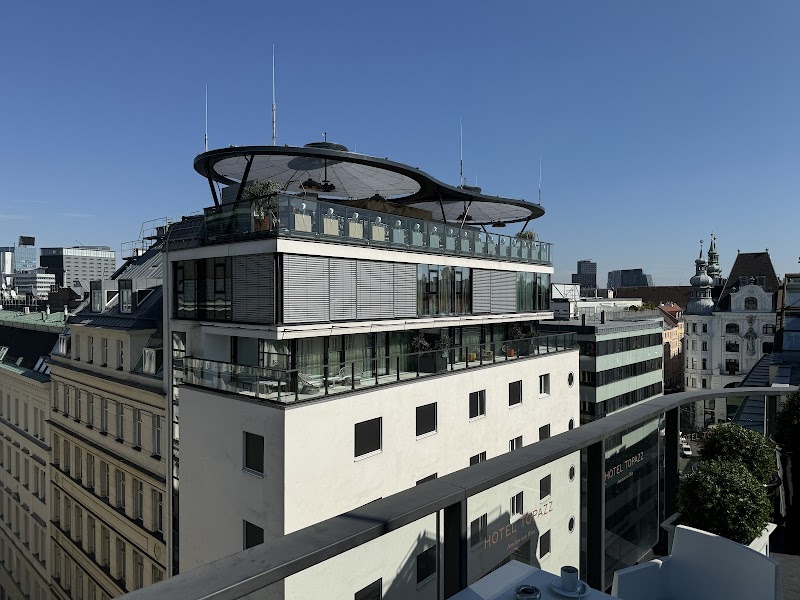
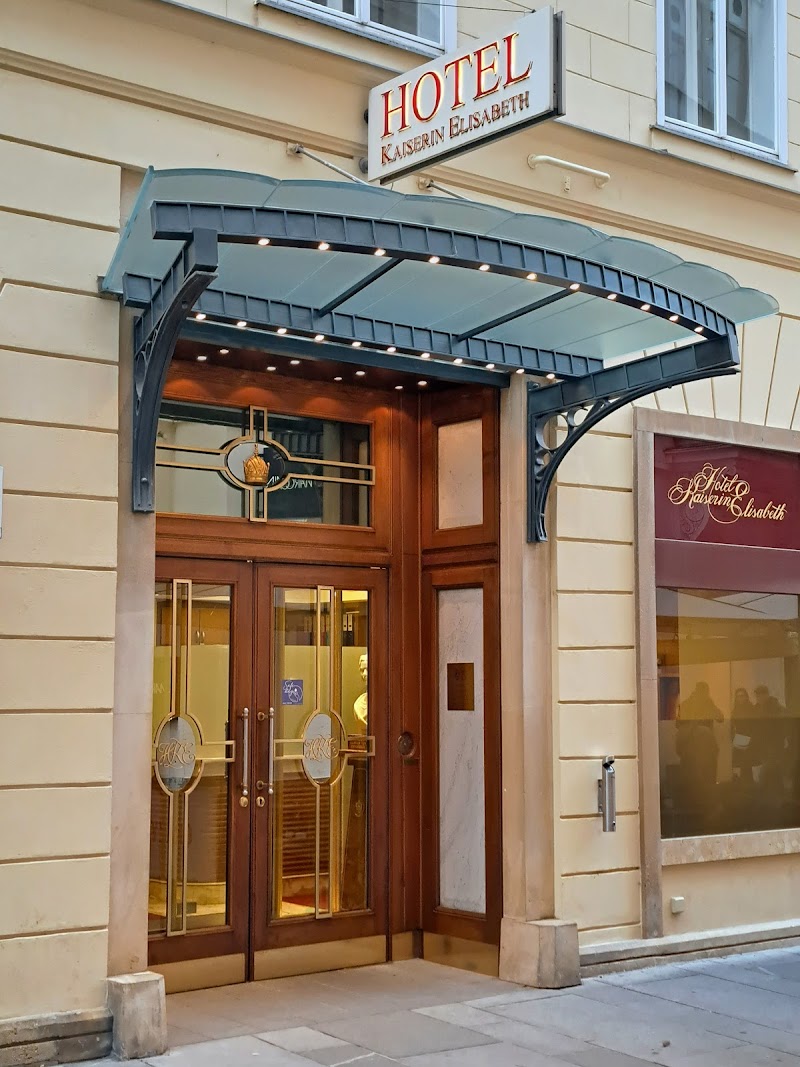
Hotels in the Innere Stadt divide into three tiers. The Ringstrasse grand hotels — Sacher, Imperial, Bristol, Grand Hotel Wien, Ritz-Carlton — occupy the Ring itself or its immediate approaches, with rates that reflect both the historical addresses and the category of guest they attract. In the interior of the 1st district, a second tier of established luxury properties (Park Hyatt at Am Hof, Palais Coburg near the Stadtpark approaches, Rosewood on a quiet interior street) offer comparable or superior quality in positions slightly removed from the Ring's busy traffic. The third tier — boutique, concept, and design hotels within the Innere Stadt — occupies converted apartment buildings and Jugendstil commercial structures with individually designed rooms and genuinely interesting locations.
The most historically resonant streets for hotel positioning in the Innere Stadt are Kärntner Strasse (the pedestrian shopping street connecting the Staatsoper to St. Stephen's), the area around Am Hof (one of the city's oldest squares), and the lanes off the Herrengasse and Augustinerstrasse that define the western side of the historic centre. Hotels on these streets give you the experience of walking through layers of European history to reach your morning coffee.
Navigation within the Innere Stadt is almost entirely on foot — the district is compact enough (roughly 1.5km across) that virtually all sights are walkable from any position within it. The Ring tram (tram lines 1 and 2 circling the boulevard) provides rapid connection to stations around the perimeter; the U-Bahn has limited penetration within the 1st district (Stephansplatz and Schwedenplatz on the U1/U4 are the main stations), but the compactness makes this irrelevant for most sightseeing.
For coffee house culture — perhaps the most characteristically Viennese experience available — the Innere Stadt has the highest density of historic establishments. Café Central on Herrengasse (1876), Café Hawelka on Dorotheergasse (1939), Café Schwarzenberg on the Ring (1861), and the Café at the Kunsthistorisches Museum (where you can have coffee among the museum's own collection) all represent the tradition at its most authentic. Staying in the 1st district means these are all within a five-minute walk of wherever you're sleeping.
Pricing in the Innere Stadt runs 20–40% above equivalent accommodation in the surrounding districts, reflecting the premium on location that is genuinely delivered in Vienna's case. For a three-night visit focused on culture and sightseeing, the premium is entirely rational. For longer stays or visitors whose primary activity is nightlife and the city's outer cultural scene, the 7th or 6th district offers better value.