Skip to content

Vienna — Traveler Guide

Best Food Hotels in Vienna

Vienna eats on ritual — the Kaffeehauskultur (coffeehouse tradition) recognized by UNESCO as Intangible Cultural Heritage, the Heuriger (wine tavern) culture in the vineyard villages on the city's western fringe, and the Würstelstand (sausage stand) that feeds the city from dawn to 4am with a democratic conviction. This is a food city where time moves differently, where breakfast can extend until noon in a marble-columned coffeehouse, and where the Wiener Schnitzel served at Figlmüller has been essentially unchanged since 1905.

food hotels Vienna best hotels near Vienna restaurants Vienna foodie hotels hotels near Naschmarkt Vienna
Best Food Hotels in Vienna

Quick Answer

The Best Food Hotels in Vienna at a Glance

Vienna eats on ritual — the Kaffeehauskultur (coffeehouse tradition) recognized by UNESCO as Intangible Cultural Heritage, the Heuriger (wine tavern) culture in the vineyard villages on the city's western fringe, and the Würstelstand (sausage stand) that feeds the city from dawn to 4am with a democratic conviction. This is a food city where time moves differently, where breakfast can extend until noon in a marble-columned coffeehouse, and where the Wiener Schnitzel served at Figlmüller has been essentially unchanged since 1905.

  1. 1
    Hotel Imperial Vienna Ringstraße / 1st District · $$$$ · ★ 9.3 Exceptional
  2. 2
    Hotel Sacher Wien Philharmonikerstraße / Opera · $$$$ · ★ 9.2 Superb
  3. 3
    Guesthouse Vienna Innere Stadt / Führichgasse · $$ · ★ 9.1 Superb
  4. 4
    Boutiquehotel Stadthalle Neubau / 7th District · $ · ★ 9.0 Superb
  5. 5
    Palais Coburg Residenz Coburgbastei / 1st District · $$$$ · ★ 9.4 Exceptional

5 hotels reviewed · Price range: $$$$, $$, $ · Last updated March 2026

About This Guide

Vienna's food geography follows the Ringstraße inward and the Gürtel outward in concentric layers of quality and tradition. The 1st district (Innere Stadt), bounded by the Ring, contains the city's most formal and historic dining: the Palmenhaus in the Burggarten serves Viennese classics in an extraordinary cast-iron greenhouse; the Restaurant Steirereck in Stadtpark (two Michelin stars, consistently ranked among Europe's best) is the pinnacle of Austrian haute cuisine; and the coffeehouses of the Inner City — Café Central (1876), Café Landtmann (1873), Café Hawelka (1939) — are the most civilized places in Europe to eat breakfast.

The Naschmarkt, Vienna's most famous food market, stretches along the Wienzeile in the 4th and 5th districts for nearly a kilometer. Open Monday through Saturday, it combines everyday produce vendors at the western end with more touristy restaurant stalls in the east and an extraordinary Saturday flea market attached to its southern edge. The Turkish and Middle Eastern vendors at the western Naschmarkt sell the freshest olives, dried fruits, cheeses, and spices; the fishmonger stalls in the middle have excellent smoked trout and Austrian freshwater fish. Saturday morning at the Naschmarkt is one of Vienna's great experiences.

The 7th district (Neubau) and the adjacent 6th (Mariahilf) have emerged as Vienna's most interesting contemporary food neighborhood. Burggasse, Kirchengasse, and the side streets of Neubau are lined with specialty coffee shops (Kaffeefabrik is the city's best), natural wine bars, and the kind of intimate restaurant scene that serves Vienna's creative class. The Spittelberg area's cobblestoned streets have excellent bistros and wine bars that fill with locals rather than tourists.

Austrian cuisine operates at two registers: the grand Viennese classics (Wiener Schnitzel, Tafelspitz boiled beef, Backhendl fried chicken, Zwiebelrostbraten onion-topped roast beef) served at the city's traditional Gasthäuser, and the Austrian-Mediterranean hybrid cooking that has developed in the city's new restaurants. The Wiener Schnitzel debate is perennial: Figlmüller Wollzeile in the Inner City is the most famous; Figlmüller Bäckerstraße is the original; Gasthaus Pöschl on Weihburggasse is favored by Viennese purists.

Vienna's wine culture is extraordinary in part because the city itself has vineyards. The Heuriger (wine tavern) villages of Grinzing, Sievering, and Nussdorf on the city's northwest fringe operate from spring through autumn, serving the new wine (Grüner Veltliner and Riesling from their own vines) alongside cold buffets of bread, cheese, and smoked meats. The Mayer am Pfarrplatz Heuriger, on a vineyard lane in Heiligenstadt, is the most celebrated in the city.
Insider Tips

  • 1

    Vienna's best coffeehouse breakfast requires minimum 90 minutes — order a Melange (similar to a flat white) with a Kipferl (crescent pastry) and the morning newspaper from the rack, and resist the urge to hurry.

  • 2

    The Naschmarkt is best on Saturday morning (8–11am) before the tourist wave arrives — the flea market attached to the western end is excellent for vintage items and the Turkish spice vendors are at their most animated.

  • 3

    A Heuriger visit to Mayer am Pfarrplatz (Heiligenstadt) is best done on a Thursday or Friday evening when it's less crowded — take the D-line tram from the Ring to Heiligenstadt and walk 10 minutes uphill into the vineyard village.

  • 4

    Vienna's Würstelstand (sausage stand) culture is a genuine institution — Bitzinger's stand at the Albertina, operating since 1976, is the most atmospheric for a post-opera Käsekrainer (cheese-filled sausage) with mustard and a Ottakringer beer.

  • 5

    Restaurant Steirereck am Stadtpark requires booking 3–4 months in advance — the lunch menu (Wednesday–Friday) offers the same extraordinary kitchen at roughly half the dinner price.

Our Picks

Best Food Hotels in Vienna

5 hotels · Updated February 2026

Hotel Imperial Vienna — Ringstraße / 1st District
$$$$ Ultra-luxury
★ 9.3 Exceptional

Ringstraße / 1st District

Hotel Imperial Vienna

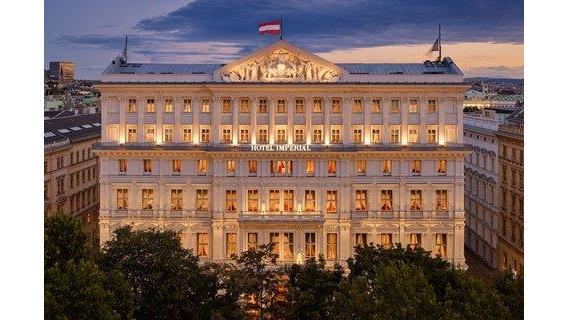
Built as a palace for the Duke of Württemberg in 1863 and converted to a hotel for the 1873 World Exhibition, the Imperial is Vienna's most historically significant hotel — Kaiser Franz Joseph I breakfasted here. The Restaurant Imperial serves refined Viennese cuisine in surroundings of extraordinary imperial splendor, and the Café Imperial is one of the finest coffeehouse experiences in the city. The Ringstraße location puts you steps from the Naschmarkt and within the walkable Inner City district.

  • Imperial Heritage
  • Viennese Cuisine
  • Ringstraße
Check Availability
Hotel Sacher Wien — Philharmonikerstraße / Opera
$$$$ Ultra-luxury
★ 9.2 Superb

Philharmonikerstraße / Opera

Hotel Sacher Wien

The Sacher is the custodian of one of the world's most famous recipes — the Original Sachertorte, a dense chocolate cake with apricot jam and dark chocolate glaze, created by Franz Sacher for Prince Metternich in 1832. The hotel's Café Sacher serves it with unsweetened whipped cream (Schlag) in the most atmospheric setting in Vienna. The Anna Sacher restaurant serves serious Austrian fine dining, and the Opera location gives immediate access to the Vienna State Opera complex and the Inner City's traditional restaurants.

  • Original Sachertorte
  • Legendary Café
  • Opera Location
Check Availability
Guesthouse Vienna — Innere Stadt / Führichgasse
$$ Mid-range
★ 9.1 Superb

Innere Stadt / Führichgasse

Guesthouse Vienna

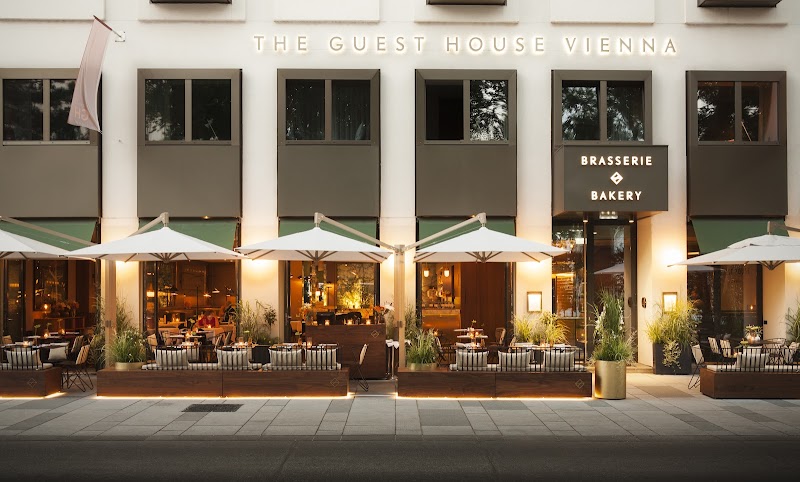
A 39-room boutique hotel designed by Sir Terence Conran, the Guesthouse Vienna sits on Führichgasse in the Inner City between the Kunsthistorisches Museum and the Naschmarkt. The hotel's morning breakfast includes excellent Austrian bread from the neighborhood baker, local cheeses, and impeccable coffee. The location is ideal for food travelers — Café Central is a five-minute walk, Figlmüller is close, and the Naschmarkt is accessible on foot.

  • Near Naschmarkt
  • Design Boutique
  • Value
Check Availability
Boutiquehotel Stadthalle — Neubau / 7th District
$ Budget-friendly
★ 9.0 Superb

Neubau / 7th District

Boutiquehotel Stadthalle

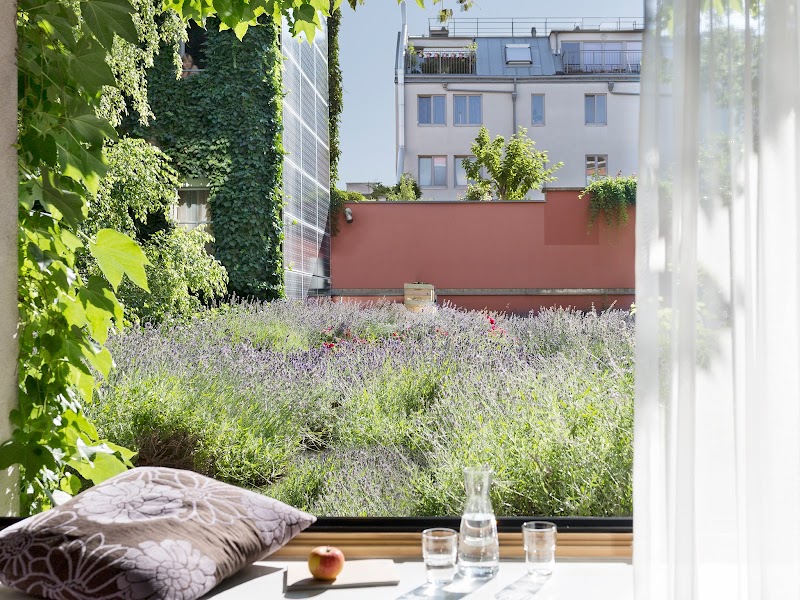
An eco-certified boutique hotel in Vienna's most food-interesting contemporary neighborhood, the Stadthalle has a renowned organic breakfast buffet served in a garden courtyard. The Neubau and Mariahilf location means the Naschmarkt is a 10-minute walk, the natural wine bars of Burggasse are nearby, and the coffee shops of Neubau (including the excellent Kaffeefabrik) are on the doorstep. The hotel's food philosophy — seasonal, local, low-waste — reflects the neighborhood's values.

  • Organic Breakfast
  • Near Naschmarkt
  • Eco Hotel
Check Availability
Palais Coburg Residenz — Coburgbastei / 1st District
$$$$ Ultra-luxury
★ 9.4 Exceptional

Coburgbastei / 1st District

Palais Coburg Residenz

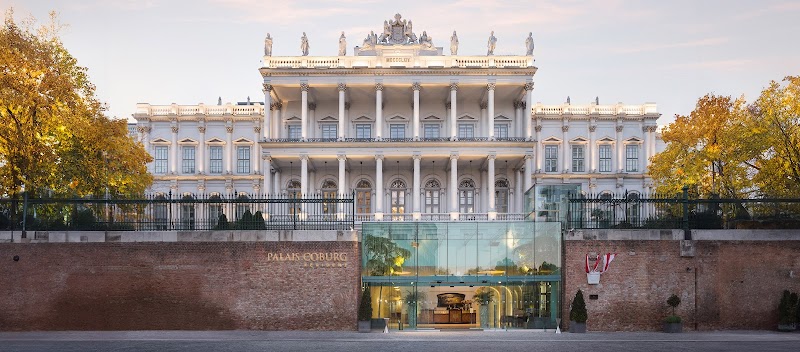
A 35-suite palace hotel in a 19th-century Coburg dynasty residence, with a wine cellar containing 60,000 bottles — widely considered the finest hotel wine collection in Central Europe. The Silvio Nickol Gourmet Restaurant has two Michelin stars and serves Austrian haute cuisine with exceptional seasonal specificity. The Inner City location, between the Stadtpark and the Naschmarkt, is among the most convenient in Vienna for serious food exploration.

  • Two Michelin Stars
  • Best Hotel Wine Cellar
  • Palace Hotel
Check Availability

Common Questions

Frequently Asked Questions

What is Viennese coffeehouse culture and which coffeehouses should I visit?

Vienna's traditional coffeehouses (Kaffeehäuser) are UNESCO-recognized as Intangible Cultural Heritage — places where guests nurse a single coffee for hours with newspapers, chess, and conversation. The definitive experiences are Café Central (Herrengasse, 1876), Café Landtmann (Ringstraße, 1873), and the deliberately unchanged Café Hawelka (Dorotheergasse). Arrive for a late breakfast and stay as long as you wish.

Where is the best Wiener Schnitzel in Vienna?

Figlmüller Wollzeile is the most famous, with schnitzels that hang over the plate edge. Purists prefer Figlmüller Bäckerstraße (the original, smaller location) or Gasthaus Pöschl on Weihburggasse. Restaurant Zum Wohl in Neubau is the contemporary choice. All use veal (Kalbsschnitzel) rather than pork for the authentic version.

What is the Naschmarkt and when should I visit?

The Naschmarkt is Vienna's main open-air market, stretching along the Wienzeile for nearly a kilometer. Monday–Friday is the most functional market experience; Saturday mornings are the most atmospheric, with the flea market attached. The western end has the best produce and the Turkish vendors; the eastern restaurant stalls are more tourist-oriented.

What are Heurigen and how do I visit one?

Heurigen are traditional wine taverns in the vineyard villages on Vienna's fringe (Grinzing, Heiligenstadt, Sievering) where family wineries serve their new wine directly. A pine branch over the door means they're open. Most serve cold buffets of bread, cheese, and smoked meats. Take the D-line tram to Nussdorf or Heiligenstadt. Mayer am Pfarrplatz is the most celebrated.

Does Vienna have good Michelin-starred restaurants?

Yes — Restaurant Steirereck in Stadtpark is one of Europe's finest restaurants (two stars, consistently in the world top 50). Silvio Nickol Gourmet Restaurant at the Palais Coburg has two stars. The city has a dozen total Michelin-starred establishments, and the level of contemporary Austrian cooking is as high as it has ever been.

Ready to book Vienna?

Prices and availability change daily. Lock in the best rate by booking early — most of our top picks offer free cancellation.

View All Vienna Hotels