Tokyo's Christmas illumination season runs from late November through early January, transforming the city's major commercial and residential districts with light installations of extraordinary scale and creativity. The city's major Christmas illumination corridors — Roppongi Hills' keyaki zelkova trees strung with blue lights, Shibuya's glittering Hilltop area, the crystal chandelier display at Marunouchi, and the renowned Keyakizaka illuminations along Roppongi Hills' pedestrian street — are genuinely among the world's finest seasonal light shows.
The romantic framing of Christmas in Japan has an interesting history. American fast food chains in the 1970s, particularly KFC's 1974 'Kurisumasu ni wa Kentakkii' (Kentucky for Christmas) campaign, seeded the idea of Christmas as a special couple's occasion, and the tradition has deepened over decades. Today, December 24th is effectively Japan's Valentine's Day — hotels, restaurants, and Tokyo's entertainment districts are packed with couples celebrating in a way that has no Western equivalent. Staying in Tokyo on December 24th is to witness something uniquely and engagingly Japanese.
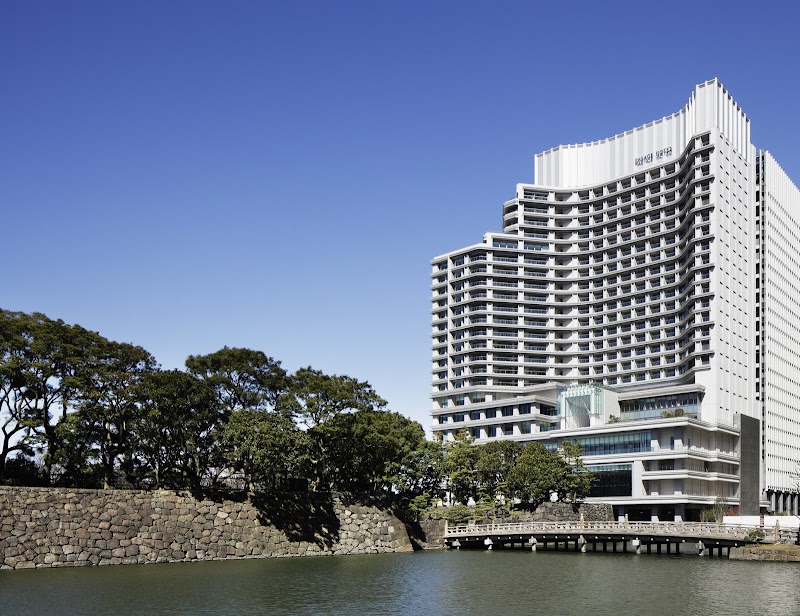
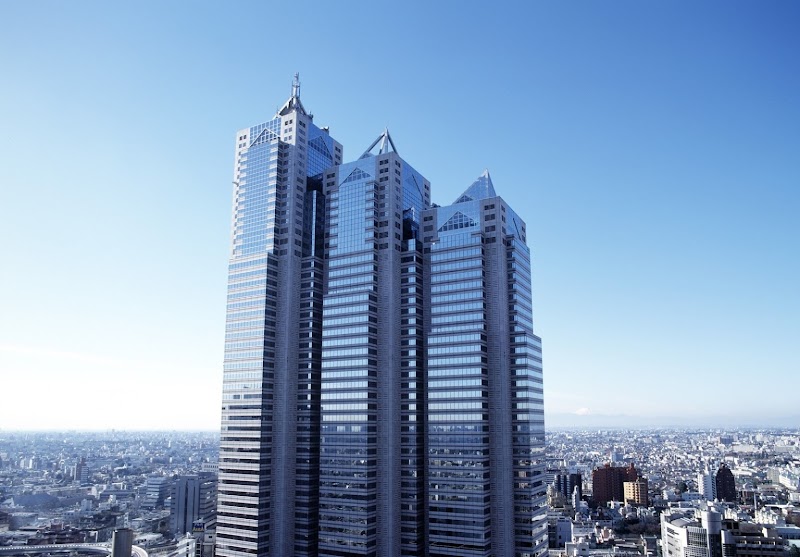
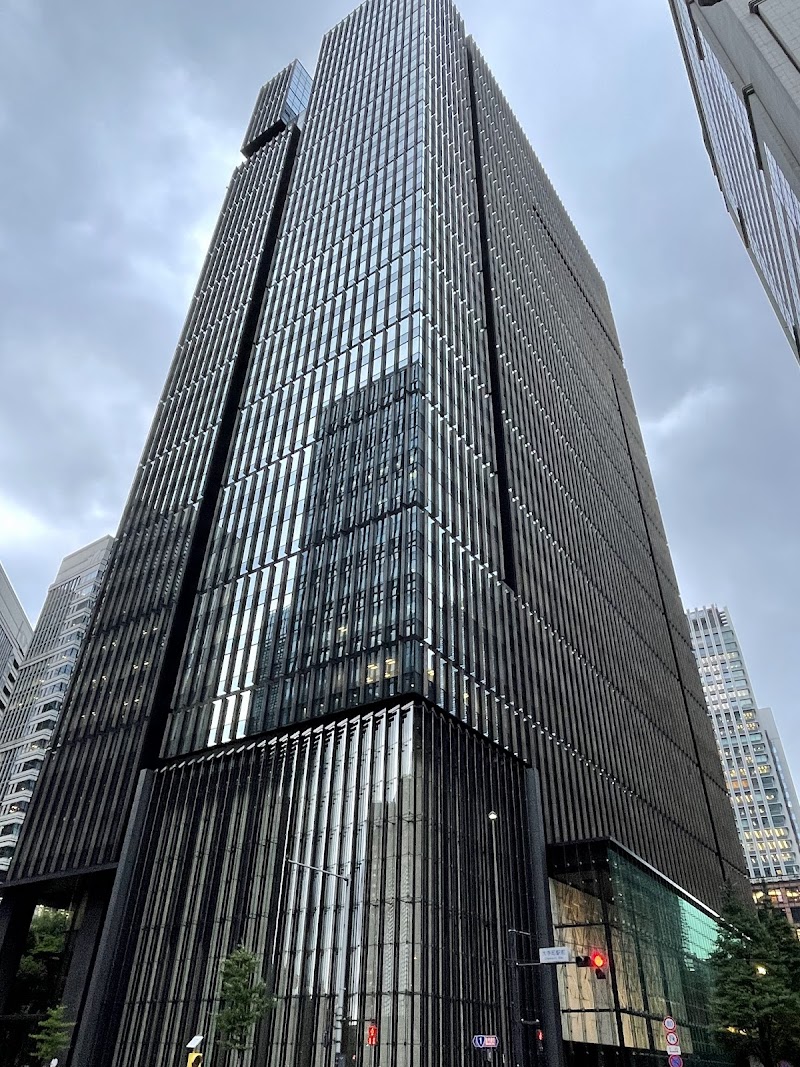
Hotel positioning for Tokyo Christmas illuminations requires some strategic thought. The four major illumination districts are Marunouchi (blue light trees along Naka-dori), Roppongi Hills (Keyakizaka), Shibuya/Aoyama, and Shinjuku's Southern Terrace. Hotels near these zones allow guests to walk to the most spectacular displays without navigating the crowded subway on the city's busiest evenings.
Winter weather in Tokyo is dry and cold — typically 5–12°C in December, with clear blue skies and excellent visibility being the norm. The lack of snow in the city center (snowfall is rare until January) means the illuminations are the primary visual spectacle, and the clear cold air makes them sharper and more brilliant than in warmer conditions. The winter dryness does require good hydration and moisturizer — Tokyo's winter air is very dry.
Christmas is not a public holiday in Japan, meaning shops, restaurants, and attractions are fully open on December 25th. This is actually a significant advantage for visitors: Tokyo's extraordinary museum collections, its world-class dining scene, and its shopping districts are all operating normally when European cities are closed for the holiday. New Year (Oshogatsu) from January 1–3 is Japan's most important holiday and a different experience entirely.