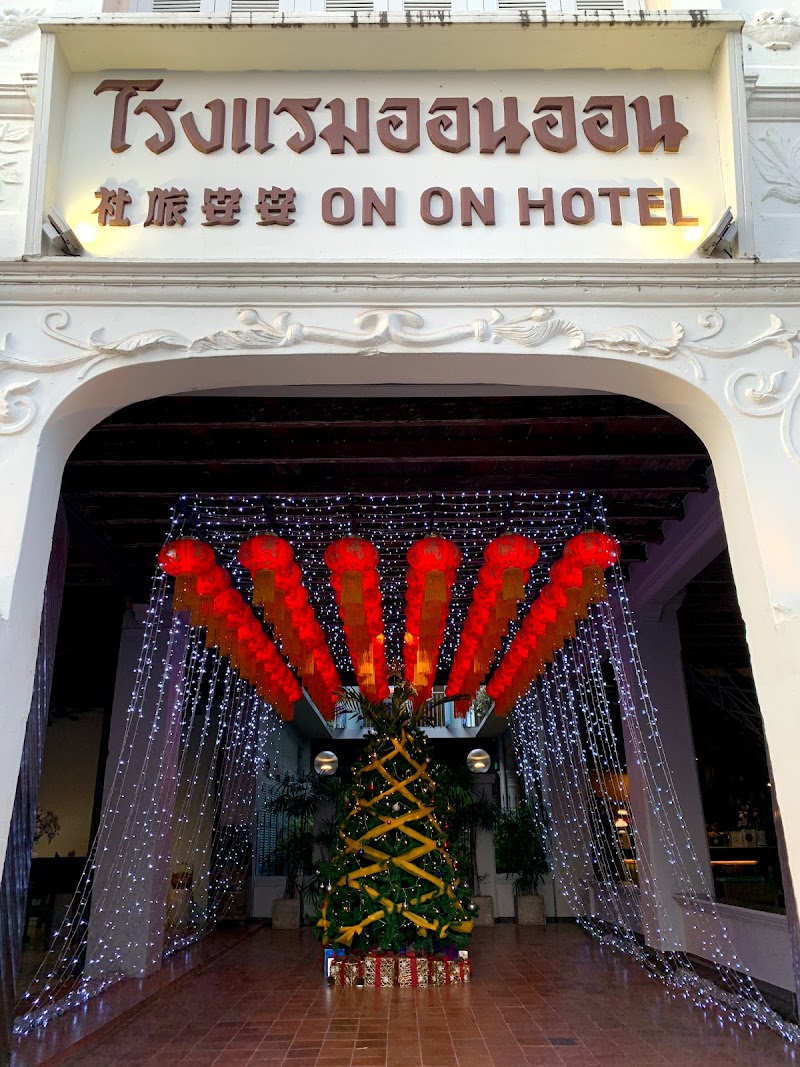
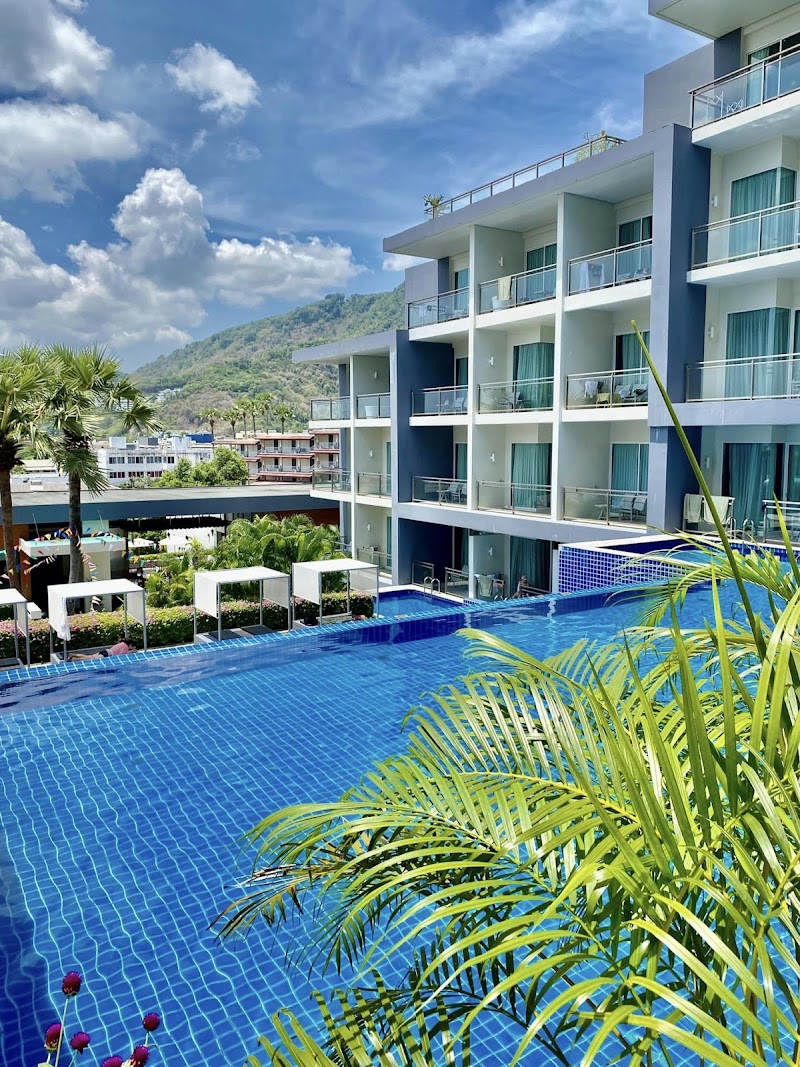
Phuket's budget accommodation scene divides geographically by what you're actually there to do. Phuket Town, the island's capital, offers the best-value guesthouses in the most architecturally interesting setting — the Sino-Portuguese shophouse district around Thalang Road and Soi Romanee has been sensitively restored and now hosts a cluster of boutique-budget properties that offer real character at $30–80 per night. The town is 35 minutes from the beaches but has its own strong identity: excellent Sunday walking market, outstanding local restaurants, and none of the tourist infrastructure that makes Patong feel manufactured.
For budget travellers who need beach access, Karon is the most sensible choice. It has Phuket's longest major beach, a fraction of Patong's visitors, and a cluster of guesthouses and small resorts within walking distance of the sand at $50–120/night for clean, functional rooms. Kata has fewer budget options but better independent restaurants and a beach atmosphere that suits independent travellers better than Patong's package-holiday feel.
Patong has the most budget accommodation in absolute terms — the volume of visitors ensures a competitive hostel and guesthouse market at the lower end. But the value proposition is questionable: you're paying to be in the noisiest, most tourist-saturated part of the island. For first-time Phuket visitors on a short trip who want maximum nightlife and beach access, it makes sense. For anyone staying more than four days, Karon or Kata deliver better overall value.
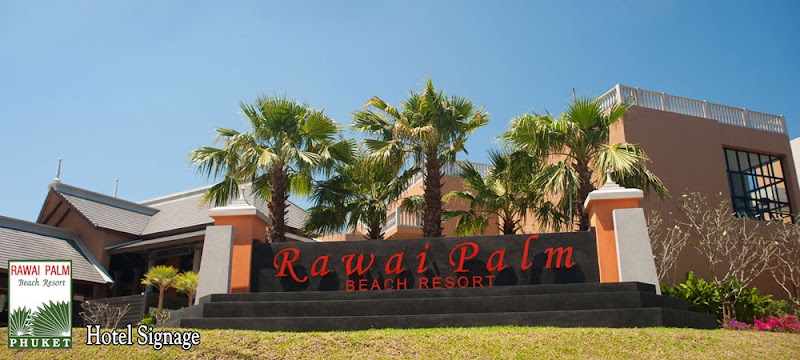
The most overlooked budget base is Rawai in the south. The area has a large expat community, low prices driven by local rather than tourist demand, excellent fresh seafood at Rawai Seafood Market (where you buy your fish and take it to an adjacent restaurant to cook), and access to the quiet beaches of Nai Harn and Yanui. Many long-term travellers who've moved beyond their first Phuket visit end up in Rawai.
Phuket Town's budget scene deserves special attention. The town centre has an excellent Sunday Walking Street market that serves local food at prices unchanged by tourism — a meal here costs 50–80 baht per dish. The morning market near the clock tower, the Tung Kha Café in the old town, and the various kopitiam (old-school Thai-Chinese coffee shops) serve the city's Hokkien-influenced local cuisine that represents one of Thailand's most distinctive regional food cultures. Staying in Phuket Town and day-tripping to beaches by songthaew or hired scooter is a legitimate and rewarding way to experience the island on a limited budget.