Phuket's western coastline runs for roughly 40 kilometres, studded with beaches that differ so dramatically in character that choosing the wrong one can define — or undermine — an entire holiday. Understanding the geography before booking is the single most useful thing a first-time visitor can do.
Patong Beach is the island's most famous and most divisive. The three-kilometre crescent of sand is genuinely beautiful in the early morning light, before the sun lounger operators arrive and the jet-ski touts assemble. By 10am it's heaving; by nightfall, Bangla Road behind the beach is a fluorescent carnival. If you want Phuket in maximum-stimulation mode — beach by day, restaurants and nightlife by night — Patong delivers it. If you've come for tranquility, you're in the wrong place.
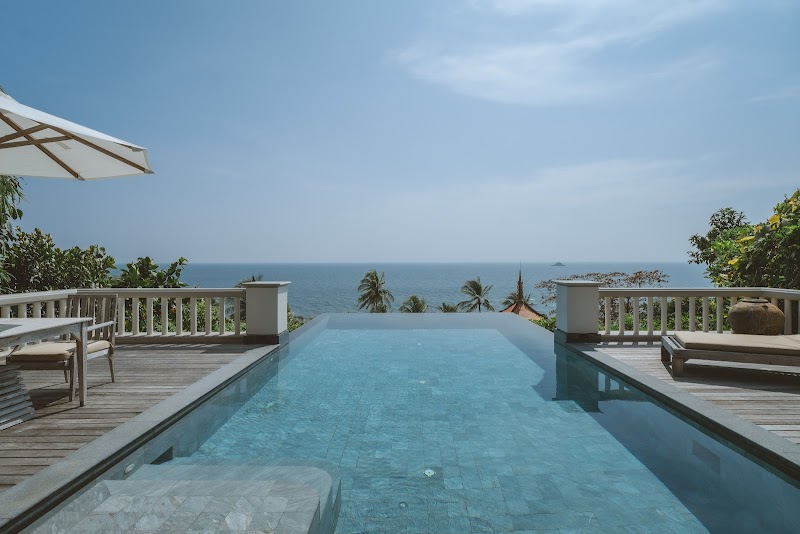
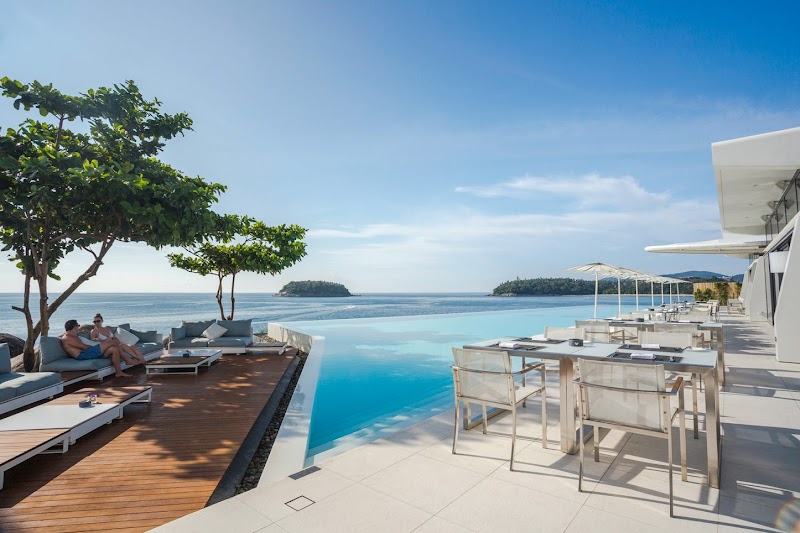
Kata Beach, 20 minutes south of Patong, is where Phuket gets its balance right. The bay is smaller and more sheltered, backed by a road with good restaurants and independent shops rather than Patong's commercial strip. Kata Noi — the smaller bay immediately south — is even better: fewer sun beds, cleaner water, and the headland to the north framing the view beautifully. Kata Rocks resort sits on the promontory between the two, and the views from its infinity pools rank among the island's best.
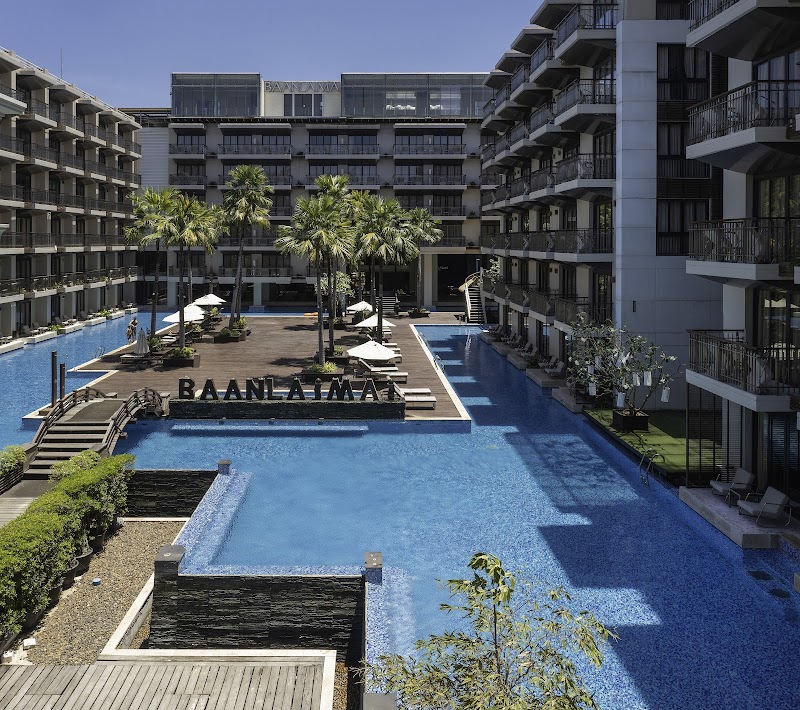
Karon Beach is Phuket's longest stretch of continuous sand — three kilometres of gently shelving beach that's nearly always less crowded than Kata or Patong despite being just as accessible. The town behind it is functional rather than charming, but the beach itself, particularly the southern third, can feel remarkably peaceful on weekday mornings. Baan Laimai and the various Karon beachfront properties offer genuinely good-value frontline positions.
Nai Harn, at the island's southern tip, is the beach for people who ask locals where they actually swim. Sheltered by a headland, fronted by the Yacht Club's manicured garden, and backed by a lagoon that attracts a permanent population of local families on weekends, it's the least developed of the accessible major beaches. The Royal Phuket Yacht Club here — one of Phuket's original luxury hotels — offers direct beach access in this quiet setting.
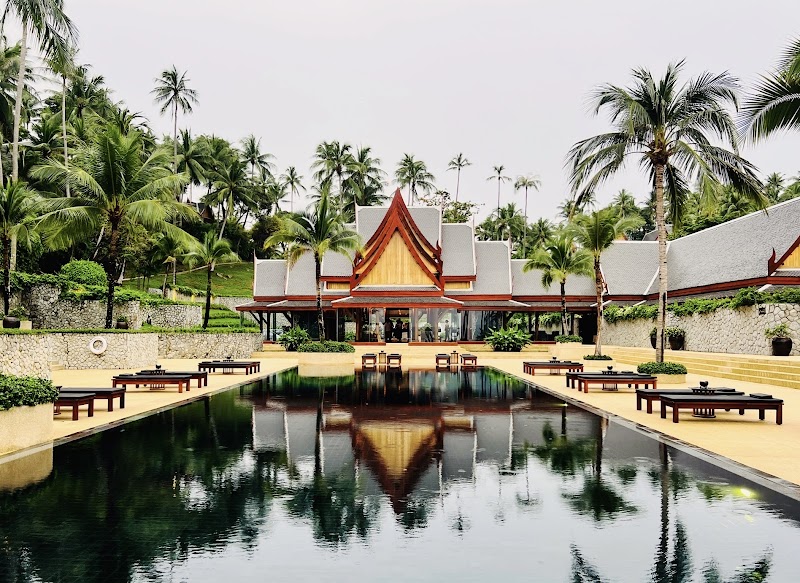
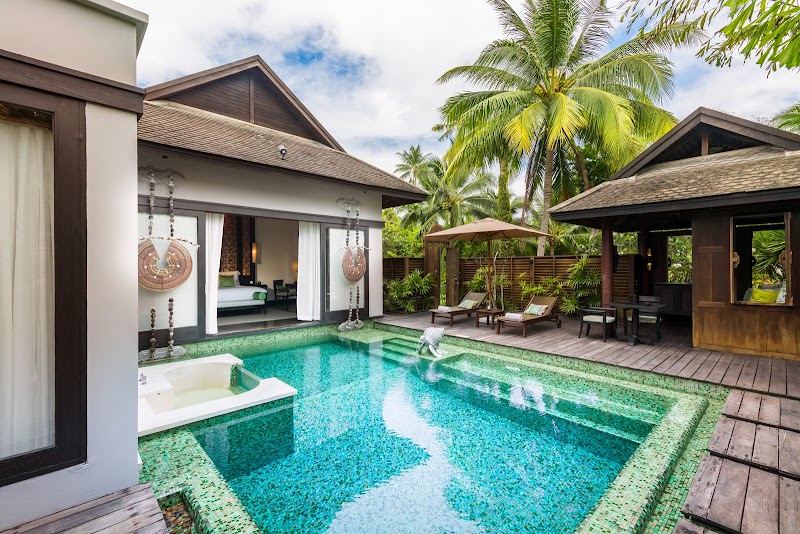
For those willing to explore further north, Mai Khao Beach is Phuket's longest and most undeveloped — a 17-kilometre stretch where sea turtles nest and development is limited by national park regulations to the south. Anantara Mai Khao's villas back directly onto this beach; the sense of space is extraordinary. Similarly, Bang Tao Bay hosts the Laguna complex's six resorts along a long, gently curving beach that's well-maintained and far less crowded than the Patong-Kata strip.
Water conditions vary seasonally. The Andaman monsoon (May–October) generates swells that close some beaches and make swimming inadvisable — Patong and Kata fly red flags when conditions are unsafe. Nai Harn and Karon are generally slightly more protected. In the dry season (November–April), visibility for snorkelling reaches 20 metres and the sea is flat enough for paddleboarding the length of a beach.
Snorkelling directly from Phuket's beaches is honestly limited — the island's coastal waters have been over-fished and coral coverage is patchy. The Similan Islands (3 hours north by speedboat) and Racha Yai Island (30 minutes south) offer dramatically better underwater experiences. Most beach hotels can arrange day trips.